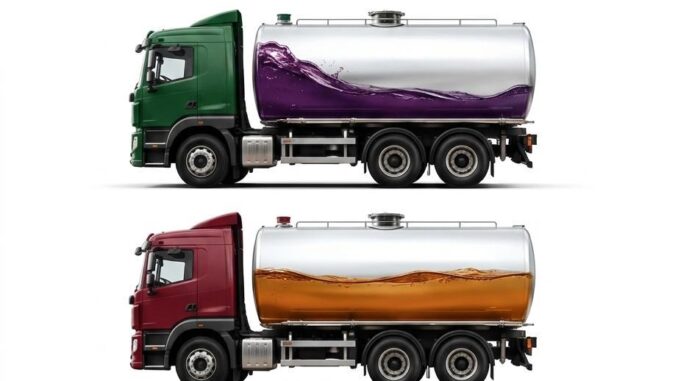
Personality is rarely revealed in long speeches or carefully planned answers.
More often, it appears in tiny moments — split-second reactions, instinctive choices, unconscious patterns we barely notice ourselves making. That’s exactly why these viral “truck tests” spread across the internet so quickly. At first glance, they seem simple, almost silly: three colored trucks, one question, and only a few seconds to decide which one brakes first.
Yet the moment people choose, something strange happens.
They begin feeling exposed.
Suddenly friends insist the result is “exactly you.” Comment sections fill with arguments, debates, and emotional reactions from people convinced the image somehow uncovered hidden truths about who they are. Some feel surprisingly understood. Others feel uncomfortably analyzed. And even when people know the test is not scientifically valid, they still cannot stop thinking about what their answer supposedly says about them.
That emotional reaction is the real reason these tests go viral.
Because despite appearances, the challenge is not really about trucks, braking systems, or physics at all.
It’s about projection.
Online personality tests like this quietly invite people to project meaning onto ambiguous situations. Your brain is not truly calculating fluid pressure or mechanical force in those first few seconds. Instead, it instinctively organizes uncertainty into a story that emotionally feels right to you. And once you choose, the internet hands you a personality narrative designed to feel personal, insightful, and strangely accurate. Custom story books
Choose the red truck, and suddenly you are described as bold, impulsive, emotionally direct, someone drawn toward intensity and immediate action.
Pick the green truck, and the narrative shifts completely: analytical, thoughtful, emotionally layered, constantly searching for hidden meanings beneath the surface.
Leave a Reply