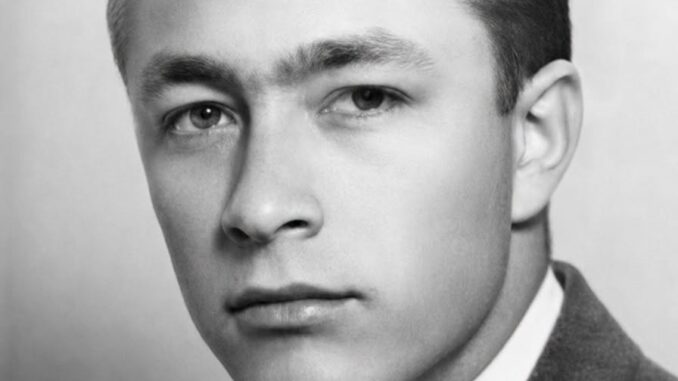
Born in 1934, Bill Bixby built a career spanning more than three decades as a gifted actor and television director. He became a permanent fixture in American homes as Dr. David Bruce Banner in the late 1970s and early 1980s—the man behind the unforgettable warning: “You wouldn’t like me when I’m angry.”
For over thirty years, colleagues and fans alike were drawn to his natural warmth. Actor Ray Walston once summed up his charm perfectly: “I believe that was the reason people liked him — instantly and completely.” Yet, beneath the steady stream of iconic television roles and behind-the-scenes success, Bixby carried immense personal heartbreak and fought a private, grueling battle against a hidden illness that ultimately claimed his life at age fifty-nine.
A Journey to Stardom
Born Wilfred Bailey Everett Bixby III on January 22, 1934, in San Francisco, Bixby discovered a passion for performance early in life. He participated in speech and debate at Lowell High School before attending the City College of San Francisco and UC Berkeley. He ultimately left higher education to pursue acting full-time, initially supporting himself through modeling and commercial work.
His major breakthrough came in 1963 with My Favorite Martian, starring as reporter Tim O’Hara alongside Ray Walston’s unpredictable alien. The hit series ran for three seasons and turned Bixby into a household name.
He continued building an impressive television résumé:
-
The Courtship of Eddie’s Father: Starred as widowed father Tom Corbett, a role that earned him three Emmy nominations.
-
The Magician: Played stage illusionist Anthony Blake in a short-lived series that developed a devoted cult following.
-
The Incredible Hulk (1978–1982): Delivered his defining performance as Dr. David Bruce Banner, later returning to the character and directing several made-for-TV continuation movies.
-
Other Ventures: Appeared in films like Lonely Are the Brave and guest-starred on popular shows including Fantasy Island and Murder, She Wrote.
Unimaginable Personal Tragedies
Behind the cheerful exterior of his television characters, Bixby’s life was struck by profound grief. After divorcing his first wife, actress Brenda Benet, in 1980, tragedy struck in 1981 when their six-year-old son, Christopher, died suddenly from a rare throat infection. Just a year later, Benet died by suicide.
Despite the darkness trailing his personal life, Bixby kept working, gradually transitioning into directing during the 1980s. He directed episodes of Goodnight, Beantown and Sledge Hammer!, and later became a regular director on the hit sitcom Blossom.
In the 1970s, he had been widely labeled one of Hollywood’s most eligible bachelors, though he remained fiercely protective of his privacy. “I’m a very private person,” he once said. “I rarely go to cocktail parties because I can’t stand the idle chatter of drunks. My weekends are spent at Malibu. I take a lady and go to the beach and enjoy the beauty of the beach and the lady.”
The Hidden Illness and Final Days
Bixby married Laura Michaels in 1990, but the marriage ended in divorce in 1991—the same year he was diagnosed with prostate cancer.
He spoke candidly about his illness, hoping to encourage other men to seek medical help early, while quietly holding on to a personal hope: “My prayer was that I would die in my sleep.”
Months before his passing, he married Judith Kliban on October 3, 1993. As his health declined rapidly, his strength faded. While directing Blossom late in his life, he was so weak that he had to work from a sofa on set. Kliban cared for him at their home near Century City until he slipped into a coma and passed away on November 21, 1993, at the age of 59.
Reflecting on their brief time together, Kliban later shared: “I prayed for some extra time, but what we got was really intense and quite fabulous.”
An Enduring Legacy
Bill Bixby’s legacy remains permanently woven into the fabric of television history. Whether remembered for his comedic chemistry with Ray Walston in My Favorite Martian, his gentle parenting in The Courtship of Eddie’s Father, or his grounded, compassionate humanity as David Banner, he left an indelible mark both in front of and behind the camera.
Away from Hollywood sets, he found joy in simple pleasures like Chinese cooking, bridge, music, and gardening. Today, fans continue discovering and revisiting his classic work through streaming platforms, keeping the memory of a truly remarkable entertainer and resilient man very much alive.
Leave a Reply