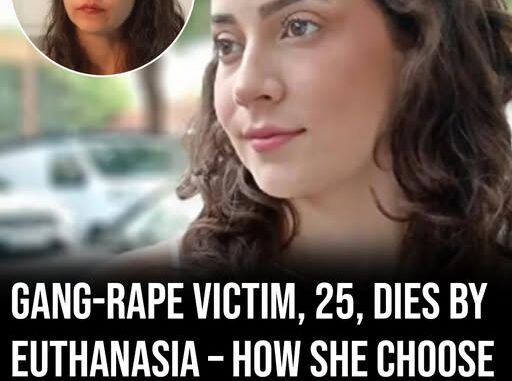
Beyond the boundaries of Spain, Noelia Castillo Ramos’ tale has had a deep impact and sparked a global dialogue on the connections between trauma, mental health, and the right to die. The Barcelona native took her life by legal euthanasia at the age of 25, after a journey marked by excruciating physical agony, profound psychological torment, and a well-publicized legal struggle that put her against her own family. Her death has sparked intense discussion about the moral limits of assisted suicide legislation, especially for people whose main suffering stems from past trauma and mental illnesses.
Tragically, structural and individual violence characterized Noelia’s life. In 2022, while in the custody of a state-run facility, she was sexually assaulted twice, once by a previous partner and once by several people. Shortly after the second attack, she attempted suicide by jumping from a fifth-floor window due to the weight of these experiences. Even though she survived the fall, it left her paralyzed from the waist down, exacerbating her already precarious psychological condition with ongoing, crippling physical pain. She had a lengthy history of mental health issues; at the age of 13, she was diagnosed with obsessive-compulsive disorder and borderline personality disorder. She had also experienced years of psychiatric treatment and had previously self-harmed.
Her personal agony turned into a public legal journey when she requested euthanasia. In 2021, Spain allowed the treatment for people with “serious and incurable” diseases; nonetheless, Noelia’s case was particularly controversial due to her father’s persistent court battle to prevent her. He took the case to Spain’s highest courts and ultimately the European Court of Human Rights with the help of conservative legal groups. Noelia insisted that her father’s rejection of her decision only made her suffering worse, while he contended that his daughter was too weak to make such a final decision. In the end, each court affirmed her right to bodily autonomy, establishing an important legal precedent.
Leave a Reply