For years, the Bennett family operated like a well-oiled machine. They had spent decades rehearsing their roles to perfection: the benevolent, indulgent patriarch; the reasonable, concerned parents; the family that always knew best, even when “knowing best” meant silencing the truths that didn’t fit their narrative. Their power was built on the assumption that their influence was an absolute force of nature. They relied on the same tired, effective script—she’s being dramatic, it’s just a misunderstanding, let’s keep this private—never once imagining that a new actor had entered the scene, already busy documenting every lie.
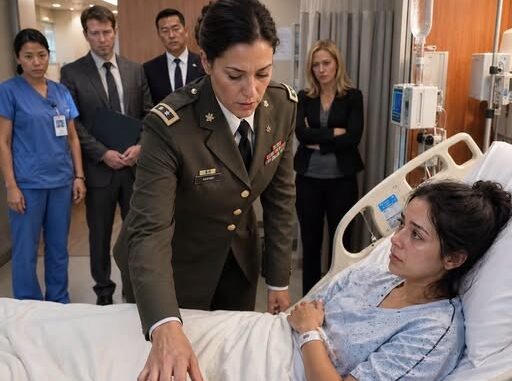
The hospital room, which should have been a place of healing, became the battlefield where their rehearsed choreography finally fell apart. They walked in expecting the usual compliance, but they were met with something they couldn’t intimidate or dismiss: intake forms, objective photographs, rigorous timestamps, and medical professionals who treated my daughter not as an inconvenient family secret, but as a patient with fundamental rights.
The Power of Documentation
The Bennetts’ sense of control frayed the moment it collided with a paper trail. They were accustomed to operating in the grey zones of family loyalty and social pressure, but they were entirely unprepared for a mother who refused to be baited into unproductive, emotional rage.
What mattered most in that room was not my status, my profession, or the Bennetts’ inherited wealth. It was Emily’s voice—cracked, tired, yet utterly defiant—as she uttered the three words that shifted the tectonic plates of the entire situation: “I want them out.”
That single sentence transformed the people around us. Bystanders became witnesses; hospital policy became a literal shield. It was the moment that the abstract concept of autonomy became a concrete, enforceable reality.
Survival as a Quiet Revolution
We often mistake survival for a glorious, cinematic victory, but the reality was far more mundane and exhausting. Survival looked like locksmiths working at midnight to secure our home. It looked like passwords changed, legal orders signed in shaky, nervous ink, and the grueling process of auditing every corner of our lives that the Bennetts had once considered their territory.
I realized then that I couldn’t simply “speak” the words that would free Emily. I had to build a infrastructure of safety around her. Every call was answered with a witness present; every detail of their past behavior was written down, dated, and stored; every threat was met with documentation instead of fear. We chose daylight over secrecy and, more importantly, we chose the slow, grinding machinery of due process over the immediate, fleeting gratification of revenge.
A Life Reclaimed
In the end, the Bennetts walked out of that hospital and out of our lives with far less than they came in with. Their absolute certainty had evaporated, their access to our private world was permanently severed, and the illusion of their superiority had been dismantled by the very rules they thought they were above.
Most importantly, my daughter walked into a version of her life they never planned for her. It was a life where her voice—not their influence, not their money, and not their expectations—drew the line.
Standing on the other side of that experience, I recognize that the shadows in Observation Seven were not just about a medical crisis. They were about the end of an era. The script the Bennetts wrote for us had been discarded, and for the first time, we were finally writing our own. The peace we found afterward wasn’t loud, and it wasn’t perfect, but it was ours. We had traded the gilded cage of their “influence” for the raw, unadorned freedom of the truth.
Leave a Reply