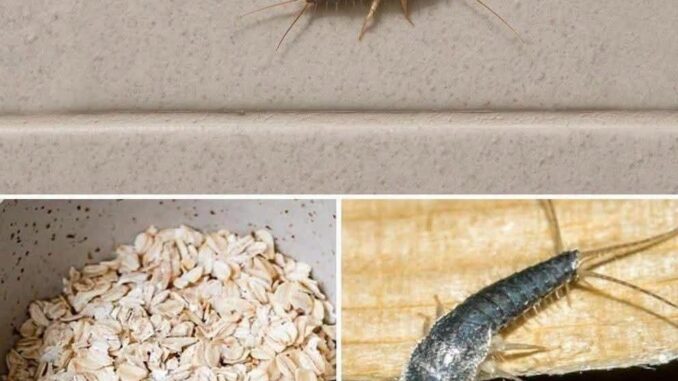
Turning on a bathroom light at night and seeing a small silvery insect disappear under a cabinet can be startling. The visitor may be a silverfish, a wingless insect with a flattened, tapered body, long antennae, and three bristle-like appendages at the rear. Its scales and quick, wiggling movement explain the name.
Silverfish are not generally dangerous to people or pets. They do not normally bite or sting, and they are not known as important disease transmitters. Repeated sightings still deserve attention because these insects thrive where moisture, shelter, and food are available. Their presence can reveal a damp area, a hidden leak, or stored materials that are being slowly damaged.
Why silverfish choose certain rooms
Silverfish prefer dark, quiet places with relatively high humidity. Bathrooms, basements, laundry rooms, kitchens, attics, closets, and spaces around pipes can offer the conditions they need. They hide in cracks during the day and usually forage at night, which is why an infestation may exist before anyone sees more than an occasional insect.
Their diet includes starches and carbohydrates found in paper, cardboard, book bindings, wallpaper paste, fabric sizing, cereal, flour, and crumbs. They may also feed on molds or other organic debris. A single sighting does not prove a serious problem, but insects appearing frequently or during daylight can suggest that the population has grown or its hiding places have been disturbed.
What damage can look like
Silverfish can scrape irregular holes into paper, wallpaper, photographs, and stored documents. They may leave yellow stains, scales, droppings, or shed skins. Clothing made from cotton, linen, rayon, or materials with starch can also be affected. Valuable books, archives, and keepsakes are especially vulnerable when stored in damp cardboard boxes.
Food products can become contaminated if packages are open or made from paper. Discard anything that appears infested, and transfer flour, grains, cereal, and pet food into sturdy containers with tight lids. The main concern is property damage and contamination, not a medical emergency.
Start by reducing moisture
Look for the condition supporting the insects rather than treating only the ones you can see. Repair dripping taps, leaking pipes, roof leaks, or condensation problems. Improve ventilation in bathrooms and laundry areas. A dehumidifier can help in a damp basement, while fans and adequate heating may reduce persistent condensation elsewhere.
Remove piles of newspapers, old boxes, and unnecessary paper. Store books and textiles in dry areas and vacuum along baseboards, inside cupboards, behind appliances, and around pipe openings. Vacuuming removes insects, eggs, scales, and food debris. Seal cracks and gaps where practical, especially where utilities enter walls.
Monitoring and treatment
Sticky traps placed along walls can help reveal where activity is greatest. Note the rooms and dates rather than moving traps constantly. Correct identification matters because firebrats and other household insects can look similar but prefer different conditions.
If moisture control, cleaning, and storage changes do not reduce activity, consult a licensed pest professional. Targeted products may be used in cracks and other hiding places, but every pesticide must be applied exactly as its label directs. Keep treatments away from children, pets, food, and food-preparation surfaces. More chemical is not better, and broad spraying may miss the concealed areas where silverfish live.
A useful warning, not a supernatural sign
Finding silverfish does not carry a mysterious meaning and does not automatically mean a home is dirty. Even well-kept houses can have a humid void, an old stack of books, or a small plumbing leak. The insect is useful evidence that a closer inspection of moisture and storage conditions may be worthwhile.
Acting early protects paper, clothing, and pantry goods while making the home less hospitable to a range of moisture-loving pests. Check for leaks, lower humidity, declutter, clean hidden edges, and monitor the result. In most cases, that practical response is more effective than panic and more lasting than simply killing the one silverfish that happened to cross the floor.
Leave a Reply