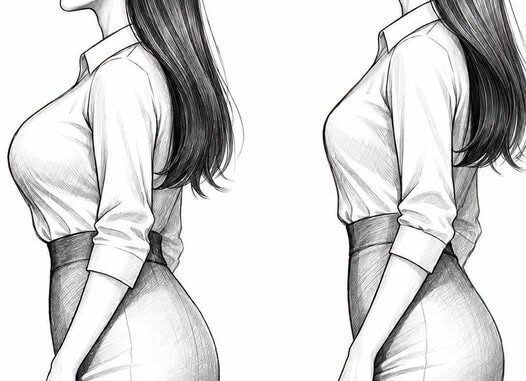
Breast size is a normal part of human physical variation, but it is often discussed through the lens of beauty standards rather than health. Women naturally have different breast sizes, shapes, and proportions, and there is no single appearance that can be considered universally ideal.
A smaller or larger bust does not, by itself, determine whether someone is healthy, feminine, attractive, physically fit, or otherwise well.
Breast size is influenced by numerous factors, including genetics, hormones, body composition, age, and stages of life. Because of this, comparing one woman’s body with another’s can be misleading.
A more useful approach is to focus on breast health, overall wellbeing, comfort, and awareness of changes rather than trying to meet a particular appearance standard.
What Influences Breast Size?
Breast development begins primarily during puberty, when hormonal changes stimulate the growth of breast tissue. Genetics plays an important role in determining the size and shape a person naturally develops.
Body composition can also influence breast volume. Breasts contain both glandular tissue and fatty tissue, so changes in body weight can sometimes affect their size or appearance. The extent of that change varies significantly from person to person.
Hormonal changes throughout life can also alter breast tissue.
Pregnancy, breastfeeding, menstrual-cycle changes, menopause, aging, and certain medications may all affect breast fullness, sensitivity, or shape.
This means breast appearance is not necessarily fixed throughout adulthood. Changes that occur during different stages of life can be part of normal biology.
Is Having Smaller Breasts Normal?
Yes. Smaller breasts can simply reflect an individual’s natural anatomy.
Breast size alone generally does not indicate whether someone has a hormonal disorder, nutritional deficiency, fertility problem, or other health condition.
Women develop differently during puberty, and genetics contributes substantially to those differences. Some naturally develop more breast tissue, while others develop less.
It is therefore not appropriate to judge someone’s health simply by looking at their body proportions.
Overall health involves many factors, including physical activity, nutrition, sleep, genetics, medical history, and general wellbeing. Breast size provides very limited information about any of these areas.
Why Bra Size Doesn’t Tell the Whole Story
Bra size is sometimes treated as though it provides a precise description of someone’s body.
In reality, it is only one measurement.
Breast shape, chest width, breast projection, body proportions, and the way breast tissue is distributed can vary considerably among people who wear the same size.
Sizing can also differ between manufacturers and styles.
As a result, two women wearing the same labeled bra size may have noticeably different appearances and may require different types of clothing or support.
This is another reason why attempting to classify bodies into simple categories can create unnecessary comparisons.
Everyday Comfort Can Be Different
Breast size can sometimes influence physical comfort, but there is no universal experience.
Some women with smaller breasts may find certain forms of exercise or movement relatively comfortable because there may be less breast movement. Clothing choices and sportswear preferences may also differ depending on individual proportions.
Women with larger breasts may sometimes experience discomfort involving the neck, shoulders, or back, particularly during physical activity. However, having a larger bust does not automatically mean a person will experience pain.
Supportive, properly fitting clothing can help many people feel more comfortable during exercise and everyday activities.
Ultimately, comfort depends on the individual rather than on a particular breast size.
Breast Size and Changing Beauty Standards
Much of the pressure surrounding breast size comes from society rather than medicine.
Fashion, advertising, entertainment, and social media have repeatedly promoted different body types as desirable. What is considered fashionable or attractive can change dramatically from one decade to another.
At certain times, fuller body shapes have received greater attention. At other times, slimmer silhouettes have become more prominent.
These changes demonstrate that beauty standards are not fixed biological rules.
Social media can make the situation even more complicated. Images may be carefully posed, professionally lit, edited, filtered, or selected to present a particular appearance.
Comparing an ordinary, unedited body with highly curated images can lead people to develop unrealistic expectations about what is normal.
Natural bodies do not need to conform to a particular trend.
Breast Size Does Not Determine Femininity
The idea that breast size determines femininity is another misconception.
Women naturally have different body shapes and physical characteristics. Height, weight, breast size, waist shape, and other features vary considerably from one individual to another.
None of these characteristics determines someone’s femininity or personal worth.
Body confidence can also change over time. A woman may feel comfortable with her appearance at one point in life and become more self-conscious during another period because of weight changes, pregnancy, aging, social pressure, or other circumstances.
Developing a healthier relationship with the body does not necessarily mean believing that every feature is perfect.
It means recognizing that variation is normal and avoiding the idea that one physical characteristic determines someone’s value.
How Breasts Change Throughout Life
Breast tissue can change considerably over the course of a woman’s life.
During puberty, hormonal changes initiate breast development.
Pregnancy can produce additional changes as the body prepares for breastfeeding. Breasts may become fuller and more sensitive during this period.
After pregnancy and breastfeeding, their size and shape may change again.
Changes in body weight can also affect breast volume because fatty tissue contributes to breast size.
Later in life, hormonal changes associated with menopause and aging can alter breast tissue, skin elasticity, and overall shape.
These changes are often part of normal aging and do not necessarily signal a health problem.
However, a person should pay attention to changes that are unusual for them.
When Breast Changes Should Be Checked
Breast health is more important than breast size.
People can become familiar with how their breasts normally look and feel and seek medical advice when something noticeably changes.
A new lump, persistent or unexplained pain, unusual skin changes, nipple changes, or unexpected discharge can have many possible causes. Some are harmless, while others may require medical evaluation.
Because symptoms can have different explanations, it is not possible to determine the cause from appearance alone.
Anyone who notices a concerning or persistent change should discuss it with a qualified healthcare professional.
Breast-cancer screening recommendations also vary according to factors such as age, personal history, and individual risk. A healthcare provider can help determine which screening schedule is appropriate.
Be Careful With Online Breast-Enhancement Claims
The internet contains countless claims about changing breast size through particular foods, exercises, creams, supplements, or other products.
These claims should be approached carefully.
There is no simple exercise or everyday food that can reliably and predictably increase breast tissue in a specific way.
Exercise can strengthen the chest muscles underneath the breasts and improve overall physical fitness, but it does not directly control the amount of breast tissue a person develops.
Likewise, products marketed as guaranteed breast-enhancement solutions should not automatically be assumed to be effective or safe.
When health or body changes are involved, evidence-based medical information is a better guide than viral social-media advice.
Breast Asymmetry Is Common
Another source of unnecessary concern is breast asymmetry.
Many women have breasts that are slightly different in size or shape. Differences can be particularly noticeable during development, when the breasts may not grow at exactly the same rate.
Minor asymmetry can be completely normal.
However, a new or significant change in asymmetry should be discussed with a healthcare professional, particularly if it occurs alongside other unusual symptoms.
Understanding that bodies are naturally imperfect can help prevent unnecessary anxiety over ordinary differences.
A Better Way to Think About Body Image
Rather than asking whether a particular breast size is attractive or ideal, it can be more useful to consider whether a person feels comfortable and informed about their own body.
Health should not be measured against another person’s appearance.
The same applies to beauty.
What one person considers attractive may differ completely from another person’s preferences, and cultural standards can change over time.
Learning to recognize normal anatomical variation can make it easier to separate genuine health concerns from unrealistic expectations created by advertising or social media.
When Medical Advice Matters More Than Appearance
A person’s breast size generally does not require medical treatment simply because it differs from someone else’s.
Medical attention becomes more relevant when there are symptoms, significant changes, physical discomfort, or personal concerns that affect quality of life.
For example, someone experiencing persistent discomfort related to breast size may wish to discuss possible solutions with a healthcare professional.
Likewise, anyone concerned about a sudden change should seek appropriate evaluation rather than attempting to diagnose the issue through photographs or online comparisons.
The goal should be informed decision-making rather than trying to achieve an arbitrary definition of a “normal” body.
The Bigger Picture
Breast size is only one small aspect of human anatomy.
Genetics, hormones, age, pregnancy, breastfeeding, body composition, and other biological factors all contribute to how breasts develop and change.
That natural variation means there is no universal breast size that defines health or beauty.
Smaller breasts can be normal.
Larger breasts can be normal.
Different shapes can be normal.
Some degree of asymmetry can also be normal.
What matters far more is understanding one’s own body and recognizing changes that may warrant professional attention.
Conclusion
Breast size does not determine a woman’s health, femininity, attractiveness, or worth.
It is a naturally variable physical characteristic influenced by genetics, hormones, body composition, age, and life events. Comparing bodies based on size alone can therefore create misleading expectations and unnecessary insecurity.
A healthier perspective is to focus on overall wellbeing, comfort, body confidence, and awareness of changes over time.
Beauty standards will continue to change, but human biological diversity is not a trend.
There is no single “correct” breast size. Every woman’s body develops differently, and understanding that reality can help replace unrealistic comparisons with a more balanced and informed approach to health and body image.
Leave a Reply