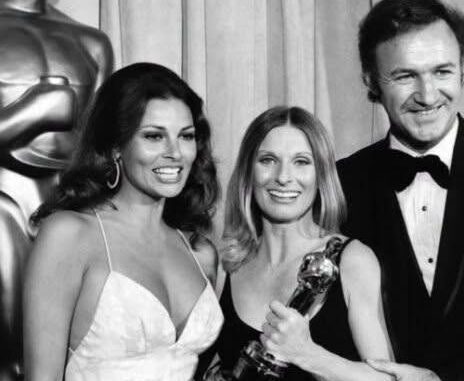
The Academy Awards have always been about more than trophies.
Every year, the ceremony brings together some of the biggest names in filmmaking, creating a carefully presented celebration of movies and the people who make them. But the early 1970s were different. Hollywood was changing rapidly, and the films receiving attention reflected a much broader transformation taking place in American cinema.
The 44th Academy Awards, held in 1972, arrived during an important period in that transition.
Rather than representing one night when Hollywood suddenly abandoned its old ways, the ceremony offers a useful snapshot of an industry already moving in a new direction.
Hollywood Was Entering a New Era
For much of the classic Hollywood era, major studios exercised enormous influence over filmmaking.
Studios controlled production, distribution, and the careers of many performers. Movies were often built around established stars and familiar genres, while filmmakers worked within systems that placed considerable emphasis on commercial appeal.
By the late 1960s and early 1970s, however, those traditions were changing.
A younger generation of directors was gaining greater creative influence. Audiences were also becoming more interested in films that felt contemporary, realistic, and willing to explore complicated subjects.
This period eventually became known as New Hollywood.
The movement wasn’t created by a single film or awards ceremony. It developed through a combination of changing audience tastes, new filmmaking talent, shifting studio economics, and a willingness to experiment with different kinds of stories.
Films Were Becoming More Grounded
The movies being recognized during this period reflected that change.
Films such as The French Connection and The Last Picture Show presented characters and situations that felt very different from the polished entertainment associated with earlier decades.
The French Connection, directed by William Friedkin, offered a gritty crime story with a darker visual and emotional style.
The Last Picture Show, directed by Peter Bogdanovich, focused on a small Texas community and the lives of young people facing adulthood and change.
These films weren’t simply successful because they looked different.
They demonstrated that serious, character-driven stories could attract major critical attention and compete at the industry’s most prestigious awards.
The 1972 Academy Awards
The 44th Academy Awards took place on April 10, 1972, at the Dorothy Chandler Pavilion in Los Angeles.
The ceremony was hosted by Jack Lemmon.
One of the night’s major winners was The French Connection, which received several awards, including Best Picture and Best Director for William Friedkin.
Gene Hackman won Best Actor for his performance in the film, while the movie’s success further demonstrated the growing importance of filmmakers willing to approach familiar genres in unconventional ways.
The ceremony also recognized The Last Picture Show, with Ben Johnson winning Best Supporting Actor and Cloris Leachman winning Best Supporting Actress.
Together, these films represented some of the changing tastes of the period.
Why the Moment Mattered
It’s tempting to look back at an event like the 1972 Oscars and identify one dramatic moment when Hollywood changed forever.
The reality was more gradual.
The entertainment industry was already undergoing major changes before the ceremony, and those changes continued long afterward.
What makes the 1972 awards interesting is that they occurred during the middle of this transformation.
The films being celebrated were increasingly willing to explore imperfect characters, complicated relationships, social tensions, and less conventional endings.
That approach would become increasingly influential throughout the 1970s.
The Rise of the Director
Another important development during the New Hollywood era was the growing influence of directors.
Filmmakers such as Francis Ford Coppola, Martin Scorsese, Steven Spielberg, George Lucas, and others would become major creative forces during this period.
Rather than treating directors simply as people responsible for executing a studio’s plan, the industry increasingly recognized them as important creative voices.
This helped create an environment in which distinctive directing styles could become part of a film’s identity.
The change also influenced the kinds of stories studios were willing to finance.
Audiences Were Changing Too
Hollywood’s transformation wasn’t driven entirely by filmmakers.
Moviegoers were changing as well.
Younger audiences had different expectations from previous generations. They were increasingly interested in stories that reflected contemporary life rather than simply providing an escape from it.
The social and political atmosphere of the United States also influenced popular culture.
The Vietnam War, political disagreements, generational tensions, and changing social attitudes all formed part of the background against which filmmakers were working.
Cinema naturally absorbed some of those influences.
As a result, movies could feel more immediate and connected to the world audiences were experiencing outside the theater.
A Different Kind of Hollywood
The 1970s would eventually produce some of the most influential American films ever made.
Movies such as The Godfather, Chinatown, Taxi Driver, Jaws, and Rocky demonstrated just how broad the possibilities had become.
Some were serious dramas.
Others were thrillers, crime stories, blockbusters, or character-driven films.
What connected many of them was a willingness to experiment with storytelling, filmmaking style, and subject matter.
The industry was learning that commercial success and artistic ambition didn’t necessarily have to exist on opposite sides.
The 1972 Oscars in Historical Context
The 1972 Academy Awards therefore shouldn’t be viewed as the single night that destroyed the old Hollywood system.
Instead, they can be understood as one visible moment within a much larger evolution.
The classic studio era was fading, while a more director-driven and adventurous period was taking shape.
The Academy’s recognition of films such as The French Connection and The Last Picture Show reflected some of the qualities audiences and critics were increasingly embracing.
That makes the ceremony historically interesting without requiring a dramatic legend around it.
Why the Era Still Matters Today
Many of the ideas associated with New Hollywood remain influential.
Modern filmmakers continue to experiment with structure, character development, visual style, and subject matter. Audiences are also accustomed to movies that feature complicated protagonists and stories that don’t always provide simple answers.
The influence of the 1970s can be seen across contemporary cinema.
The period demonstrated that American filmmaking could take risks while still reaching large audiences.
A Turning Point, Not a Single Revolution
The 1972 Oscars didn’t single-handedly rewrite the entertainment industry.
But they took place at a fascinating point in Hollywood history.
The old studio model was losing some of its dominance, a new generation of filmmakers was gaining influence, and audiences were embracing stories that felt more realistic and complex.
Looking back, the ceremony provides a window into that transition.
Its real importance isn’t that Hollywood changed overnight.
It’s that the movies being celebrated showed how much the industry’s idea of successful filmmaking had already begun to change.
And that gradual transformation would help define American cinema for years to come.
Leave a Reply