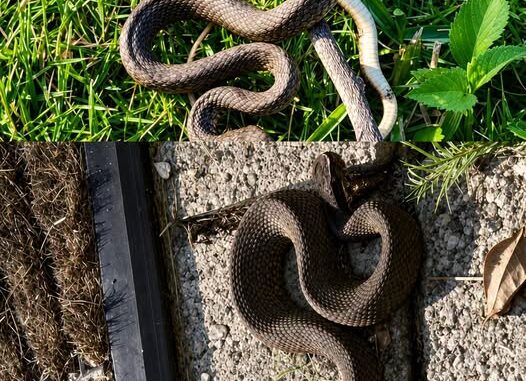
Let’s be honest: snakes aren’t everyone’s favorite backyard visitors.
Some people don’t mind them at all. In fact, snakes can be fascinating animals, and many species are harmless to people. They also play an important role in the ecosystem by helping control populations of rodents and other small animals.
But knowing that doesn’t necessarily make it more comfortable when you’re pulling weeds in the garden and suddenly notice a snake slithering past your hand.
Or perhaps you’re relaxing on the deck, enjoying your morning coffee, when something moves through the grass and disappears underneath the porch.
For many homeowners, the goal isn’t to hurt snakes. It’s simply to encourage them to stay somewhere other than the places where people and pets spend time.
Fortunately, you can make your yard considerably less appealing to snakes without resorting to cruel or unnecessary methods.
The key is understanding what attracts snakes in the first place.
Snakes generally aren’t interested in your home because they want to bother you. They’re looking for the same basic things that every wild animal needs: food, water, shelter, and a safe place to rest.
If your yard accidentally provides those things, you may be creating an attractive little habitat without realizing it.
Here are eight practical ways to make your yard less inviting.
1. Cut Off Their Food Supply
One of the most effective ways to discourage snakes is to address the reason they may be visiting in the first place: food.
Depending on the species, snakes may feed on mice, rats, frogs, insects, small birds, eggs, and other small animals.
So if your yard has a healthy population of rodents, you’re essentially putting out a dinner invitation.
Start by looking for things that attract mice and rats.
For example, bird feeders can unintentionally create a food source. Birds drop seeds onto the ground, and rodents happily take advantage of them. Those rodents can then attract snakes.
You don’t necessarily have to give up feeding birds. Instead, consider placing bird feeders farther away from your house, deck, or the areas where your family spends the most time.
It’s also helpful to clean up spilled seed regularly.
Your compost bin deserves attention, too. Food scraps can attract rodents and other wildlife, which may eventually attract snakes. Make sure your compost container is properly secured and that food waste isn’t easily accessible.
Pet food can also become an unexpected attractant. Don’t leave bowls of dog or cat food outside for long periods, especially overnight.
The same goes for garbage.
Keep outdoor trash containers securely closed and clean up anything that might provide an easy meal for rodents.
In other words, don’t just ask, “How do I get rid of snakes?”
Ask:
“What is bringing them here?”
Removing the food source can make your property considerably less attractive.
2. Consider Planting Lemongrass
You’ve probably heard plenty of claims about plants that supposedly repel snakes.
One commonly mentioned option is lemongrass.
Lemongrass is a fragrant plant with a strong citrusy scent, and it can be a useful addition to a garden for several reasons. It’s attractive, has culinary uses, and its scent may make certain areas less appealing to some pests.
However, it’s important to keep expectations realistic.
There isn’t a magic plant that creates an invisible force field around your property and guarantees that snakes won’t enter.
Snakes can still travel through yards containing plants they supposedly dislike.
So instead of thinking of lemongrass as a foolproof snake barrier, consider it one small part of a larger strategy.
Planting fragrant vegetation around areas you want to make less inviting can be combined with keeping grass short, eliminating hiding places, and reducing rodent activity.
And there’s another potential bonus: lemongrass is also commonly associated with mosquito-repelling properties, although its effectiveness depends on how it’s used.
The biggest benefit is that you’re improving your landscape rather than spreading harsh chemicals around your yard.
3. Try a Citrus-Scented Solution
If you enjoy simple DIY projects, you can also experiment with a citrus-scented spray around outdoor areas.
One commonly suggested method is to place pieces of lemon or orange peel in a jar of water and let the mixture sit for about a day.
You can then strain the liquid and use it as a light spray around places where you don’t want animals lingering, such as patio furniture, the edges of a deck, or around porch steps.
The strong citrus scent may make an area less appealing to some animals.
Again, though, don’t think of this as a guaranteed snake repellent.
Natural scents tend to be temporary. Rain, sunlight, and regular outdoor activity can quickly reduce their effect.
If you use a homemade spray, reapply it as needed and avoid spraying anything directly on wildlife.
You should also be cautious about putting concentrated essential oils or other substances where pets can lick or ingest them.
The goal is to make your property less attractive—not create another hazard.
4. Keep Your Yard Clean and Maintained
This is one of the simplest and most useful things you can do.
Snakes love places where they can hide.
A messy yard can provide plenty of them.
Tall grass, piles of leaves, stacks of lumber, piles of rocks, fallen branches, thick vegetation, and other debris can create cool, protected spaces where snakes feel comfortable.
Those same areas can also provide excellent habitat for rodents.
That’s a double problem.
You’re giving snakes shelter while simultaneously providing them with potential prey.
Regular yard maintenance can make a significant difference.
Keep grass and weeds trimmed, particularly around patios, sheds, play areas, and other frequently used parts of the property.
Pick up fallen branches.
Remove unnecessary piles of debris.
Store firewood neatly and, when possible, keep it elevated rather than directly on the ground.
Keep landscaping around the foundation relatively open so you can easily see what’s happening near your home.
This doesn’t mean your yard needs to look like a perfectly manicured golf course.
Natural landscaping is valuable for wildlife.
The idea is simply to avoid creating hidden, undisturbed spaces immediately next to the places where people and pets spend time.
5. Seal Off Your Home
Keeping snakes out of your house is even more important than keeping them out of your yard.
Fortunately, snakes don’t need a very large opening to get into some structures.
Walk around the outside of your home and inspect the foundation carefully.
Look for cracks, gaps, holes, and openings around pipes and utility lines.
Check doors and make sure they close tightly.
Inspect window screens for tears or gaps.
Pay particular attention to areas around garages, sheds, crawl spaces, vents, and other low openings.
Weather stripping and door sweeps can help eliminate gaps underneath exterior doors.
If you find a larger opening in your foundation, use an appropriate material to seal it or consider having a professional inspect the area.
This isn’t only about snakes.
Sealing gaps can also help prevent mice, insects, and other unwanted animals from entering your home.
Think of it as a general wildlife-proofing project.
And remember: if you find a snake inside your home, don’t try to grab it.
Keep children and pets away from the area and contact a qualified wildlife professional if you’re uncomfortable handling the situation yourself.
6. Be Careful With DIY Snake Repellents
There are countless homemade snake-repellent recipes online.
One popular suggestion involves mixing cinnamon oil and clove oil and spraying the mixture around areas where snakes are unwanted.
While strong scents may influence animal behavior in some circumstances, homemade repellents should not be treated as guaranteed solutions.
There is also an important distinction between something being “natural” and being automatically safe.
Essential oils can be irritating or harmful if they are swallowed, inhaled in concentrated amounts, or applied improperly. Some can also be dangerous to pets.
So if you decide to experiment with a homemade repellent, research the ingredients carefully and follow appropriate safety precautions.
Never spray a substance directly onto a snake or another wild animal.
The most reliable approach is still habitat modification: reduce food sources, remove hiding places, and block access to structures.
Think of scent-based repellents as a possible supplement—not the foundation of your snake-control strategy.
7. Be Very Cautious With Mothballs
Mothballs are sometimes recommended online as a way to discourage snakes.
However, this is one piece of advice that deserves a major warning.
Mothballs contain pesticides and can be hazardous to people and animals if they are swallowed or used improperly.
They are not simply harmless little balls that can be scattered around the yard.
Because children and pets may accidentally find and ingest them, placing mothballs around your yard can create a safety risk.
They can also contaminate soil and water when misused.
Before using any pesticide or chemical product, read the label carefully and make sure the intended use is actually permitted.
If a product is designed for a particular purpose, don’t assume it is safe or effective simply because someone online says it repels snakes.
There are usually better ways to make your property less attractive to snakes.
Removing shelter and prey is a much more sensible starting point.
8. Relocate Snakes Humanely
Despite your best efforts, you may still occasionally encounter a snake.
That’s normal.
If a snake enters your yard, remember that it may simply be passing through.
If it isn’t causing a problem, the easiest option may be to give it plenty of space and allow it to move along on its own.
Don’t attempt to grab a snake, pin it down, or handle it unless you’re trained and know exactly what species you’re dealing with.
This is particularly important in areas where venomous species occur.
If a snake needs to be removed, consider contacting a qualified wildlife removal professional who can identify the animal and handle the situation appropriately.
Humane wildlife traps also exist, but trapping and relocating wild animals isn’t always as simple as putting them somewhere “far away.”
Rules about capturing and relocating wildlife vary by location, and moving an animal can also create problems for the animal itself.
A professional can tell you what is appropriate in your area.
What You Shouldn’t Do When You See a Snake
It’s easy to panic when you encounter a snake, especially if you’re surprised.
But the best thing you can do is remain calm.
Don’t corner it.
Don’t poke it with a stick.
Don’t try to pick it up.
Don’t let children or pets approach it.
Instead, give the snake a clear path to leave.
In many cases, the snake wants nothing to do with you either.
Most snakes would rather avoid people than confront them.
If you aren’t certain what type of snake you’re looking at, keep your distance. Take a photograph from a safe distance if you need identification, and contact a local wildlife expert if necessary.
Make Your Yard Less Appealing, Not More Dangerous
When it comes to keeping snakes away, the goal shouldn’t be to create a dangerous environment for wildlife.
Snakes are an important part of many ecosystems.
They help control rodents and other populations, and many species pose no danger to people.
Instead of trying to eliminate every snake from your property, focus on making the areas around your home less attractive to them.
Keep vegetation maintained.
Remove unnecessary debris.
Store wood properly.
Reduce rodent activity.
Secure garbage and compost.
Keep birdseed contained.
Seal cracks and openings around your house.
And give wildlife plenty of space when you encounter it.
These steps can make your property less inviting without resorting to cruel or potentially dangerous methods.
A Snake-Free Yard Isn’t Always the Goal
Here’s something worth remembering: you don’t necessarily need to eliminate every snake from your property.
A snake passing through your yard isn’t automatically a problem.
In fact, seeing one may mean your yard has a healthy ecosystem.
The real issue is when snakes are repeatedly gathering around your home, shed, porch, or other areas where people and pets need to feel comfortable.
That’s when it’s worth looking at what’s attracting them.
Instead of asking, “How can I kill or poison the snakes?”
Ask:
“What does my property offer that they want?”
Maybe there’s a rodent problem.
Maybe there’s a pile of lumber providing shelter.
Maybe thick vegetation creates a perfect hiding place.
Maybe an opening beneath your porch gives them somewhere cool and protected.
Once you identify the attraction, you can address the underlying problem.
A Few Simple Changes Can Make a Big Difference
You don’t need to completely redesign your yard to discourage snakes.
Start with the basics.
Clean up areas where debris has accumulated.
Trim overgrown vegetation.
Secure food and garbage.
Move bird feeders farther from the house.
Check your foundation for gaps.
Keep outdoor areas tidy.
Pay attention to rodents.
And avoid using dangerous chemicals simply because someone claims they are a miracle snake repellent.
Most importantly, remember that snakes aren’t invading your yard because they’re out to get you.
They’re looking for food, shelter, and suitable habitat.
By removing those attractions from the areas around your home, you can make your property less appealing while still allowing wildlife to exist naturally.
And if you happen to see a snake anyway?
Take a breath.
Give it some room.
There’s a good chance it’s just trying to get somewhere else.
Sometimes the best snake-control method is simply letting the snake know that your yard isn’t the most convenient place to stop for dinner.
Leave a Reply