Noticing an unexpected bump, irritated patch, sore, or other skin change around the groin or genital area can be concerning. Because the area is sensitive and personal, many people may immediately worry that something serious is wrong.
However, there are many possible explanations for changes in this part of the body. Some are related to everyday issues such as shaving, friction, sweating, or irritation from personal-care products. Others may require evaluation by a doctor or sexual-health professional.
The important point is that appearance alone usually isn’t enough to determine the cause.
Common Causes of Bumps and Irritation
Ingrown Hairs
Ingrown hairs are one common cause of small bumps, particularly in areas where people shave or remove hair.
They occur when a hair grows back into the skin instead of growing outward. The result can be a raised, itchy or irritated bump, and sometimes the trapped hair can be seen underneath the skin. Ingrown hairs can also become infected, causing increased pain, swelling, or pus.
Shaving too closely, waxing, plucking, and other forms of hair removal can increase the likelihood of developing them.
Avoid squeezing or repeatedly picking at an ingrown hair because this can damage the skin and increase the risk of infection.
Skin Irritation
The skin in sensitive areas can react to products that come into contact with it.
Soaps, detergents, fragrances, antiseptics, cosmetics, and other substances can sometimes cause irritant or allergic contact dermatitis. Symptoms may include redness, itching, dryness, burning, or irritation.
If irritation appears after introducing a new product, stopping the suspected irritant may help. However, persistent or severe symptoms should be assessed by a healthcare professional.
Friction and Moisture
The groin area experiences frequent movement, heat, and moisture. Tight clothing, exercise, sweating, and prolonged friction can irritate the skin.
Keeping the area clean and dry, changing out of damp clothing, and choosing comfortable clothing can help reduce irritation.
It is generally better to avoid aggressive scrubbing or heavily fragranced products on already irritated skin.
Not Every Bump Is an Infection
One of the biggest mistakes people make when searching online is assuming that every unusual bump must have the same cause.
That is not the case.
A bump can have many possible explanations, and some conditions can look similar despite having completely different causes. For example, an ingrown hair may resemble another type of skin lesion, while an infection may sometimes initially look like an ordinary irritated spot.
This is why trying to diagnose a lesion solely from its appearance can be unreliable.
The NHS advises against self-diagnosing unexplained lumps and recommends medical assessment when a lump is concerning or persists.
When an STI May Be a Possibility
Some genital skin changes can be associated with sexually transmitted infections, but a person should not assume that an unexplained bump automatically means they have an STI.
Genital herpes, for example, can produce blisters or painful sores, although many people with herpes have few or no noticeable symptoms.
Genital HPV can sometimes cause warts or other growths around the genital area. However, HPV frequently produces no symptoms at all.
Other infections can also cause sores, rashes, discharge, or changes in the genital area.
Because different conditions can overlap in appearance, testing or an examination may be necessary to determine the actual cause.
Symptoms That Deserve Medical Attention
Consider speaking with a healthcare professional if you notice a new skin change that:
- Does not go away or continues to grow
- Becomes increasingly painful
- Bleeds without an obvious reason
- Develops into an open sore
- Produces unusual discharge
- Is accompanied by significant swelling
- Causes burning or pain when urinating
- Appears as a cluster of blisters or unusual growths
- Keeps returning
- Is accompanied by fever or feeling generally unwell
Genital or anal ulcers should be medically evaluated because several different infectious and noninfectious conditions can cause them, and examination alone may not always establish the diagnosis.
When Testing May Be Appropriate
If there has been a potential sexual exposure and new genital symptoms appear, an STI evaluation may be appropriate.
Many STIs cause few or no symptoms, meaning that someone cannot always determine whether they have an infection simply by looking for visible changes. Testing is the reliable way to establish whether a particular infection is present.
A healthcare professional can recommend the appropriate tests based on symptoms, exposure history, and individual circumstances.
Seeking testing should not be a source of embarrassment. Sexual-health clinics and healthcare providers routinely evaluate these concerns.
Gentle Skin Care Can Help
For mild irritation without concerning symptoms, simple skin-care habits may be useful.
Use gentle, fragrance-free products when possible and avoid repeatedly scrubbing the affected area. If shaving causes frequent bumps, changing shaving habits or using an electric trimmer may reduce irritation and ingrown hairs. The NHS recommends avoiding very close shaving and not picking or squeezing ingrown hairs.
If a product appears to trigger irritation, avoiding that product can allow the skin to recover.
However, persistent symptoms should not simply be covered up with home treatments.
Avoid Guessing From Internet Photos
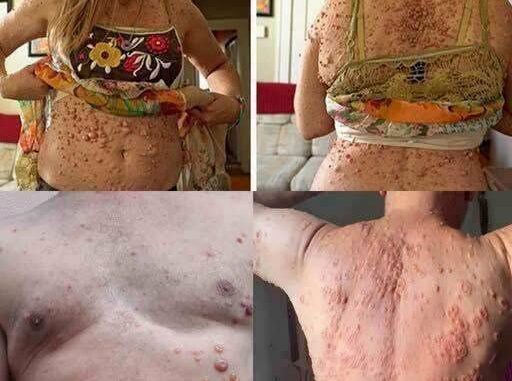
Online photographs can be useful for general education, but they cannot reliably diagnose an individual person’s skin condition.
Several unrelated conditions can look similar, while skin tone, location, duration, symptoms, and medical history can all affect the diagnosis.
This is especially important for genital sores and ulcers. The CDC notes that diagnosis based only on medical history and physical examination can sometimes be inaccurate, which is why appropriate testing may be necessary.
The Most Important Takeaway
A new bump or irritation in a sensitive area can certainly be worrying, but it does not automatically mean something serious.
Ingrown hairs, friction, shaving, and contact irritation are among the possible everyday causes. At the same time, persistent lumps, unusual growths, blisters, sores, discharge, or painful changes deserve appropriate medical attention.
The safest approach is to avoid jumping to conclusions.
Pay attention to how the skin change develops, avoid irritating it further, and seek professional advice when symptoms persist, worsen, or raise concerns about an infection.
A healthcare professional can provide something an internet search cannot: an evaluation based on the person’s actual symptoms and medical history.
When it comes to sensitive skin changes, getting the right information is far more useful than assuming the worst.
Leave a Reply