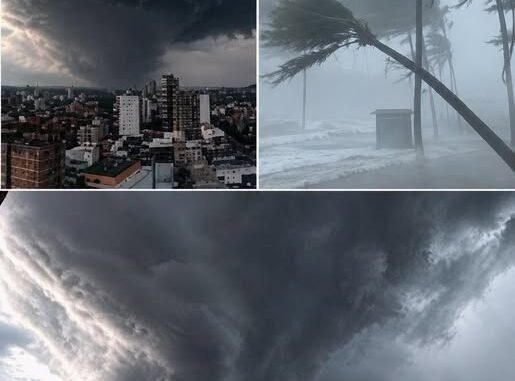
When a severe storm passes, the quieter skies can bring relief. But for families looking at damaged homes, blocked streets, and interrupted power, the end of the weather is only the beginning of recovery.
A familiar neighborhood can suddenly feel unfamiliar. Trees may block routes people use every day. Broken windows and damaged roofs can leave homes exposed. Without electricity or reliable communication, even simple tasks become difficult.
Alongside those challenges, another response can emerge: people looking for ways to help one another. A phone call to an older neighbor, a shared flashlight, or help locating temporary shelter can provide reassurance when ordinary routines have disappeared.
This article describes the general challenges of storm recovery. The supplied account does not identify a verifiable location, date, or specific weather event, so it should not be treated as an active emergency alert.
The First Priority Is Safety
After frightening weather, it is understandable to want to step outside immediately and see what happened. People may be worried about their vehicles, their homes, or relatives living nearby.
However, calmer conditions do not automatically mean that the area is safe.
The National Weather Service advises people to continue following updates after a storm and watch for hazards such as fallen electrical wires and weakened structures. Buildings should be avoided when there is a gas smell, surrounding floodwater, or other conditions that make entry unsafe.
Checking damage should never become a reason to enter a dangerous area. Photographs, belongings, and repairs can wait when personal safety is uncertain.
Local emergency instructions are particularly important because conditions can differ from one street to the next. A route that looks passable may have been closed for a reason that is not visible from a distance.
Floodwater Can Hide Serious Hazards
Floodwater can make it difficult to understand what lies beneath the surface. A familiar road or walkway may no longer be a reliable guide to safe movement.
The National Weather Service warns that flood-related dangers can include gas leaks and live power lines that are not immediately obvious. Residents should follow local instructions about returning home and confirm that water supplies are safe before using them for drinking, cooking, or cleaning.
The urge to check on a property or take a shortcut is understandable. Nevertheless, entering floodwater can turn an already difficult situation into another emergency.
Helping others also requires judgment. Contacting emergency responders and sharing an accurate location may be more useful than attempting to reach someone through unsafe conditions.
Neighbors Can Help Without Taking Unnecessary Risks
Community support does not have to involve dramatic rescue efforts.
Calling someone who lives alone, passing along a verified shelter announcement, or helping a family contact relatives can make a meaningful difference. These actions can often be carried out without entering damaged buildings or approaching dangerous debris.
People offering assistance should consider what they can safely provide. A person with an accessible vehicle may be able to offer transportation along open routes. Someone with reliable communication may help others obtain official updates.
Listening matters too. A neighbor may need practical assistance, but they may also need a calm conversation after a frightening experience.
The most effective help responds to an actual need rather than assuming that everyone requires the same thing.
Power Outages Require Extra Care
Losing electricity can affect lighting, communication, refrigeration, and daily routines. Families may turn to backup equipment while waiting for service to return.
Portable generators require particular caution. The Centers for Disease Control and Prevention advises operating them outdoors, at least 20 feet from doors, windows, and vents. They must never be used inside a home, basement, or garage, even when doors or windows are open. Their exhaust can produce dangerous carbon monoxide.
A well-intentioned effort to restore power should not create a new hazard.
For neighbors sharing resources, safety must remain part of the arrangement. Equipment should be operated according to its instructions, and improvised solutions should not replace professional help with damaged electrical systems.
Sometimes the most useful shared resource is simpler: a battery-powered light, a charged phone, or information about a safe place to stay.
Temporary Shelter Offers More Than a Place to Sleep
When people cannot safely remain at home, temporary accommodation can provide a necessary pause.
A shelter or other designated facility may help families regroup, find information, and consider their next steps. The unfamiliar environment can still be stressful, especially for children, older adults, and people with specific accessibility needs.
Thoughtful support can make that transition easier. Clear directions, patient explanations, and respectful treatment help people understand what assistance is available.
Children may benefit from simple, honest reassurance about immediate plans: where they will sleep, who is with them, and what will happen next. Adults do not need to promise that everything will return to normal quickly.
Offering a manageable next step can be more reassuring than making a promise no one can guarantee.
Documenting Damage Comes After Immediate Needs
Once conditions are safe, families may begin recording what has been damaged.
Photographs and written notes can help organize conversations with insurers, landlords, or repair professionals. Keeping a record of communications and expenses may also make a complicated process easier to follow.
These tasks can feel overwhelming when people are tired or displaced. Breaking them into smaller steps can help: identify the immediate problem, record the available information, and contact the relevant provider.
Questions about coverage, repairs, and reimbursement should be answered through the applicable policy or agreement. Different households may face different requirements.
No record is worth entering an unsafe room or climbing onto a damaged roof.
Recovery Is Uneven
A street becoming passable does not mean every household has recovered. Restored electricity does not necessarily make every home habitable.
Some residents may be able to return to their routines quickly. Others may face lengthy repairs, temporary housing, or financial uncertainty.
The emotional effects can last as well. People may feel unsettled by another weather forecast or find it difficult to sleep after a frightening night.
Community support remains valuable beyond the first urgent hours. Continued check-ins and practical assistance can help people who are still dealing with disruption after public attention has moved elsewhere.
Rebuilding Through Practical Acts of Care
Storm recovery involves professional work, financial decisions, and time. It also depends on ordinary people finding useful ways to support one another.
A safe ride, a verified update, or help making an important call will not repair an entire neighborhood. But each can make the next step easier for someone facing uncertainty.
The strongest response combines compassion with care: follow official instructions, avoid remaining hazards, and offer help that matches what people need.
Recovery begins when immediate danger is addressed. It continues through the patient work of making homes, routines, and communities secure again.
Leave a Reply