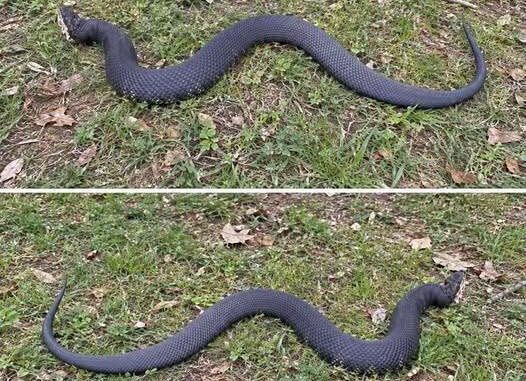
A peaceful turkey hunt can change in seconds when a copperhead appears where you least expect it. One moment, you’re focused on the woods around you; the next, a sudden bite brings pain, fear, and a rush of adrenaline.
The first reaction may be panic—but staying calm is important.
A suspected venomous snakebite should be treated as a medical emergency. Instead of trying to handle the snake or attempting a home remedy, focus on getting professional medical care as quickly and safely as possible.
Stay Calm and Limit Movement
Fear can make people act impulsively. After a bite, avoid running or making unnecessary movements. Try to keep the affected limb as still as reasonably possible while arranging transportation or emergency assistance.
Do not attempt to chase, capture, or kill the snake. A photograph can be useful for identification only if it can be taken from a safe distance without approaching the animal.
Avoid Dangerous Home Remedies
Snakebite myths have been around for generations, but several traditional methods can cause additional injury.
Do not cut the wound, attempt to suck out venom, apply a tourniquet, or use ice or other improvised treatments unless specifically instructed by medical professionals.
Instead, contact emergency medical services or get to an appropriate medical facility as soon as possible.
Why Quick Medical Attention Matters
Copperheads are venomous pit vipers, and their bites can cause significant pain, swelling, bruising, and other symptoms. The severity of a bite can vary, so it isn’t possible to determine the outcome simply by looking at the wound.
Medical professionals can monitor symptoms and determine what treatment is appropriate.
Even if the bite initially seems manageable, symptoms can develop or worsen over time. Seeking professional evaluation is therefore important.
Don’t Let Panic Make the Situation Worse
Being bitten in the middle of the woods can be frightening, particularly when you’re far from a road or vehicle.
The safest response is generally straightforward:
Stay calm. Move as little as necessary. Keep the affected area still. Avoid unproven treatments. Get professional medical help.
If you’re hunting with other people, let them know what happened and have them assist with getting you to medical care.
Respect the Snake and Leave It Alone
A copperhead generally isn’t something that needs to be confronted after a bite.
Once you’ve moved away from the snake, leave it alone. Trying to photograph it up close, identify it by handling it, or kill it creates another opportunity for someone to be bitten.
If a safe photograph is already available, medical personnel may find it useful, but identification should never come at the expense of safety.
A Hunting Lesson Worth Remembering
The woods can change quickly. A routine day outdoors can suddenly become a situation requiring clear thinking and medical attention.
A snakebite isn’t the time for bravado or improvised remedies. The goal is simple: reduce unnecessary movement, avoid making the injury worse, and reach qualified medical care promptly.
For hunters, hikers, campers, and anyone spending time outdoors, knowing what not to do can be just as valuable as knowing what to do.
When a copperhead interrupts your hunt, the smartest response isn’t dramatic.
It’s calm, careful, and focused on getting home safely.
Leave a Reply