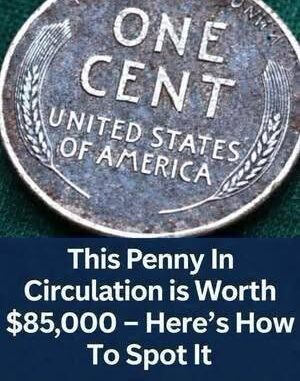
An old penny sitting in a jar, drawer, or pocket usually attracts very little attention. Most people see it as nothing more than another piece of spare change. But sometimes, taking a closer look at an ordinary-looking coin can reveal an interesting piece of history—or, in uncommon cases, a coin that collectors may consider desirable.
The important thing to remember is that not every old penny is valuable. Age alone does not automatically make a coin rare, and many pennies that have been sitting around for decades remain relatively common. Still, certain details can make individual coins worth investigating.
Start With the Date
One of the easiest ways to begin examining a penny is to check its date.
The year can tell you when the coin was produced and may help narrow down which varieties or historical periods it belongs to. Some years had relatively large production numbers, while others produced fewer examples.
A coin’s date should therefore be treated as a starting point rather than proof of value.
Collectors often compare the year with other characteristics, including the mint mark, design, composition, and condition. Two pennies from the same general period can have very different collector interest depending on these details.
Look for the Mint Mark
Another small feature worth examining is the mint mark.
U.S. coins have historically been produced at different mints, and identifying where a particular coin was made can sometimes help determine which variety it represents.
The mint mark is usually a small letter located in a specific area of the coin, depending on the design and period. Because these markings can be tiny or worn, using good lighting and a magnifying glass can make them easier to see.
A mint mark by itself does not guarantee that a penny is valuable. Its significance depends on the specific coin and production year.
Pay Attention to Unusual Features
Collectors also examine coins for unusual characteristics.
Manufacturing changes, design modifications, doubled features, striking errors, unusual spacing, or differences in lettering can occasionally make a coin more interesting to specialists.
However, determining whether something is a genuine minting variety can be difficult.
Damage that occurs after a coin leaves the mint can sometimes look unusual without adding collector value. Scratches, discoloration, dents, polishing, or chemical exposure may change a coin’s appearance but do not necessarily make it rare.
For that reason, unusual-looking coins should be examined carefully before anyone assumes they are valuable errors.
Historical Changes Can Matter
Coins can also reflect major events in history.
During periods when materials were scarce or manufacturing priorities changed, governments and mints sometimes altered the metals or production methods used for coins.
These changes can create interesting variations for collectors.
Wartime production is one example. When certain metals became strategically important, alternative materials could be considered or introduced for particular coinage. Such changes provide collectors with an opportunity to study how historical events influenced everyday objects.
A small penny can therefore tell a surprisingly large story about the period in which it was produced.
Condition Makes a Difference
Even when a coin is genuinely uncommon, its condition can have a major effect on collector interest.
A coin that has spent decades circulating through countless hands may have worn lettering, scratches, discoloration, and flattened design details. Another example of the same issue that was carefully stored may retain much more of its original appearance.
Collectors generally pay close attention to details such as the sharpness of the design, remaining surface detail, marks, coloration, and overall preservation.
This is one reason two apparently identical pennies can have very different market values.
Don’t Clean an Old Coin
If you discover a penny that looks unusual, resist the temptation to clean it.
Scrubbing, polishing, soaking, or using household chemicals can permanently alter the surface. What appears to be dirt or discoloration may actually be part of the coin’s original surface or patina.
Cleaning can also introduce scratches that reduce collector appeal.
The safest approach is usually to handle a potentially interesting coin carefully and leave its surface untouched until you know more about it.
Be Careful With Online Claims
Stories about extremely valuable pennies appear frequently online, and some can make ordinary coins sound like hidden treasures.
It’s important to separate genuine examples from exaggerated claims.
A headline suggesting that a particular penny could be worth thousands—or even millions—does not mean every penny from that year has anything close to that value.
Prices depend on the exact variety, authenticity, condition, demand, and current collector market.
Before assuming you’ve found a fortune, compare the coin with reputable references and, when appropriate, seek an opinion from an experienced numismatist or professional grading service.
Why People Enjoy Coin Hunting
The appeal of searching through old change isn’t necessarily about making money.
Coins provide a physical connection to the past. A penny that has circulated for decades may have passed through countless hands, businesses, households, and communities.
Examining coins can also encourage attention to details that would otherwise be overlooked.
A tiny mint mark, a particular date, or a subtle design difference can lead to research into manufacturing practices, economic conditions, and historical events.
In that sense, coin collecting combines observation with history.
What to Do If You Find Something Unusual
If a penny catches your attention, begin by recording its basic details.
Note the date, mint mark, visible design characteristics, and general condition. Compare it with trustworthy coin references rather than relying solely on social-media posts or sensational headlines.
If the coin appears particularly unusual, consider having it examined by an established coin dealer, numismatist, or professional grading service.
Avoid making major assumptions about its value until its identity has been confirmed.
A Small Discovery With a Bigger Story
Most pennies found in household change will turn out to be ordinary. That’s completely normal.
The interesting part is that occasionally, an everyday coin can lead to something worth learning about. It might represent a particular period of American history, demonstrate a change in manufacturing, or simply be an interesting example of an older design.
So the next time you empty a change jar, don’t automatically dismiss the pennies at the bottom.
Take a moment to look.
Check the dates. Examine the mint marks. Notice unusual details. Most importantly, approach claims about rarity and value with a healthy amount of skepticism.
You may not discover a valuable collectible—and statistically, you probably won’t—but you might discover something just as worthwhile: a fascinating little piece of history that has been sitting unnoticed in your pocket all along.
Leave a Reply