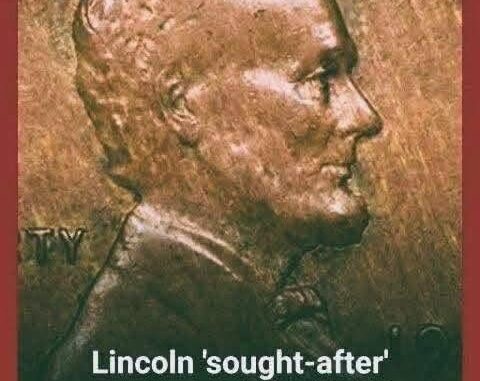
Have you ever wondered whether an ordinary penny could be worth far more than its face value? Most coins pass through our hands without much attention, but a few rare examples have become highly sought-after collectibles. One of the most fascinating is the 1943 Bronze Lincoln Cent, a rare American coin associated with World War II and an unusual minting error.
Some authentic examples have sold for hundreds of thousands of dollars, and certain specimens have achieved even higher prices. Although finding one in everyday change would be extraordinarily unlikely, its remarkable history continues to capture the attention of coin collectors.
Why the U.S. Mint Changed Penny Production in 1943
During World War II, the United States needed large quantities of copper for military equipment, ammunition, electrical components, and other essential supplies. To conserve this important material, the U.S. Mint changed the composition of the one-cent coin in 1943.
Instead of the traditional bronze alloy, the Mint produced pennies from steel coated with zinc. These coins had a silvery-gray appearance and differed noticeably from the familiar copper-colored cents produced in earlier years.
The change was temporary, but it created one of the most recognizable coins in American numismatic history: the 1943 steel cent.
How the Rare 1943 Bronze Penny Came Into Existence
The extraordinary 1943 Bronze Lincoln Cent is believed to have resulted from a production error during the transition to steel coinage.
According to the accepted explanation, some bronze blanks left over from earlier production may have remained in the Mint’s equipment or entered the production process accidentally. When these blanks were struck with 1943 dies, they became bronze cents bearing a date that was supposed to be associated with steel coinage.
The exact circumstances surrounding every example are not fully established, but genuine 1943 bronze cents are recognized as major minting rarities.
Unlike a deliberately produced commemorative coin, these pieces were not intended to be special collectibles. Their value comes from their extreme rarity, historical significance, and appeal to experienced collectors.
How Much Is a 1943 Bronze Lincoln Cent Worth?
The value of a genuine 1943 Bronze Lincoln Cent depends on several factors, including its condition, mint of origin, authenticity, and documented auction history.
Exceptional examples have sold for more than $1 million, while other authenticated specimens have achieved prices in the hundreds of thousands of dollars. However, these results should not be interpreted as a guaranteed value for every coin with a 1943 date.
Auction prices vary, and a coin’s condition can significantly affect what collectors are willing to pay. Professional authentication is particularly important because valuable coins attract imitations and altered examples.
Anyone researching a potential discovery should consult reputable coin grading services and reliable auction records rather than relying on online asking prices alone.
How to Identify a Possible 1943 Bronze Penny
If you enjoy searching through old coins, a few basic observations can help you decide whether a penny deserves closer examination.
1. Check the date. Look for a Lincoln cent dated 1943. Genuine examples from that year were normally made of zinc-coated steel.
2. Examine the color. A typical 1943 steel cent has a gray or silver-colored surface. A bronze-colored coin may warrant further investigation, but color alone cannot establish its composition.
3. Consider the coin’s weight. A standard 1943 steel cent weighs approximately 2.7 grams, while a traditional bronze Lincoln cent weighs approximately 3.11 grams. A precise digital scale can help identify differences, although weight alone is not proof of authenticity.
4. Seek professional verification. If a coin appears unusual, contact a reputable numismatist or professional grading service. Avoid cleaning, polishing, scratching, or applying chemicals to the coin, as these actions can damage its surface and potentially reduce its collectible value.
Be cautious with online claims that promise easy identification or guaranteed profits. A coin that looks unusual is not necessarily rare.
Why Counterfeit and Altered Coins Matter
The popularity of the 1943 Bronze Lincoln Cent has encouraged counterfeiters to produce misleading examples. Some coins may have been altered by changing their dates or modifying their surfaces. Others may simply be ordinary coins that have developed unusual coloration.
For this reason, visual inspection should be treated as a preliminary step rather than a final conclusion.
Professional examination can help establish whether a coin is genuine, determine its grade, and provide a more reliable basis for estimating its market value. Collectors should also review documented sales from reputable auction houses before making financial decisions.
A Small Coin With a Remarkable History
The 1943 Bronze Lincoln Cent represents much more than a potentially valuable penny. It reflects a period when the United States adapted its manufacturing processes to meet the demands of a global conflict.
Its rarity also illustrates how unexpected production errors can become important historical artifacts. A small difference in metal composition transformed an ordinary denomination into one of the most closely watched rarities in American coin collecting.
Although most people will never encounter an authentic example, examining older coins can still be an enjoyable way to learn about history, manufacturing, and the evolution of American currency.
Final Thoughts
The possibility of discovering a rare coin in an old collection or inherited box of change is exciting, but realistic expectations are important. Most 1943 pennies are ordinary steel cents, and unusual appearance alone does not establish significant value.
If you find a 1943 Lincoln cent that appears bronze-colored, handle it carefully and seek a professional opinion before drawing conclusions.
Sometimes, the most interesting part of a coin is not its price but the story it tells. The 1943 Bronze Lincoln Cent remains a fascinating example of how a small production error during an extraordinary historical period can create a lasting legacy in American numismatics.
Leave a Reply