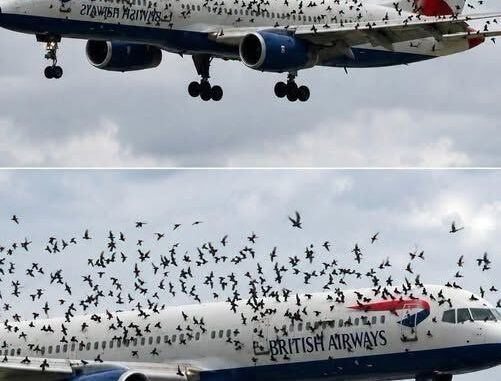
A routine flight can change in seconds when an aircraft encounters birds. Although bird strikes are a known aviation hazard, the situation can require pilots to make careful decisions about the aircraft’s condition and whether it is safe to continue toward the original destination.
When a bird strike raises concerns about an aircraft’s engines or other critical components, the flight crew follows established procedures to assess the situation and determine the safest course of action.
Understanding what happens during these incidents reveals how pilot training, communication, and maintenance procedures work together to protect passengers.
Why Bird Strikes Are a Concern for Aviation
Bird strikes occur when birds collide with an aircraft during flight, takeoff, or landing. They are a recognized hazard worldwide, particularly near airports where aircraft and wildlife share the same airspace.
Many bird strikes cause little or no significant damage. However, the consequences depend on factors such as the size and number of birds, the location of the impact, and the phase of flight.
An impact involving an engine, windshield, or another important component may require additional attention. In some circumstances, pilots may decide to return to the departure airport or divert to another suitable airport.
The decision depends on the information available to the crew and the condition of the aircraft.
What Pilots Do After a Bird Strike
When a suspected bird strike occurs, pilots assess the situation using established operating procedures.
They monitor engine indications, check for warnings, and evaluate whether the aircraft is responding normally. Depending on the circumstances, they may consult checklists and coordinate with air traffic control.
If there are indications of damage or uncertainty about the aircraft’s condition, the crew may choose to land at a suitable airport rather than continue the planned journey.
This decision does not necessarily mean the aircraft is about to crash. Diverting can be a precautionary measure designed to allow the aircraft to be inspected safely on the ground.
Pilots are trained to make these decisions methodically, even when an unexpected event creates pressure in the cockpit.
How Cabin Crew and Air Traffic Controllers Help
During an abnormal situation, communication plays an important role.
Cabin crew members may prepare the cabin for landing, follow instructions from the flight deck, and keep passengers informed when circumstances allow.
Air traffic controllers can assist by coordinating the aircraft’s route, arranging priority handling when appropriate, and helping ensure that the intended runway and airport services are available.
Airport emergency teams may also be placed on standby if the circumstances warrant it.
These actions are part of established safety procedures. Their use depends on the nature and severity of the incident, rather than every bird strike automatically requiring an emergency response.
What Happens After the Aircraft Lands?
Once an aircraft has landed, the flight crew and ground personnel can assess the situation more closely.
Maintenance technicians may inspect the engines, fuselage, wings, windshield, and other relevant areas for evidence of impact damage. If an engine may have been affected, additional examinations may be necessary before the aircraft returns to service.
Depending on the findings, the airline may arrange repairs, replace components, or conduct further testing in accordance with the manufacturer’s instructions and applicable aviation requirements.
Passengers may experience delays or a change of aircraft while these checks are completed.
Although such disruptions can be inconvenient, inspections are an important part of maintaining aircraft safety.
Can Bird Strikes Be Prevented?
Airports use a range of wildlife-management measures to reduce the likelihood of bird strikes.
These may include monitoring wildlife activity, managing vegetation, removing food sources that attract birds, and using approved methods to discourage birds from gathering near runways.
Airport operators may also work with wildlife specialists to understand local bird populations and identify areas of increased risk.
However, birds are unpredictable, and no prevention program can eliminate every possible encounter. This is why aircraft design, pilot training, operational procedures, and maintenance inspections remain essential.
Separating Verified Facts From Unconfirmed Details
Stories about aviation incidents sometimes include dramatic descriptions of unexpected discoveries, unusual cargo, or mysterious circumstances.
Such claims should be treated cautiously when the account does not identify the airline, date, location, or an official investigation.
Without reliable documentation, it is not possible to confirm the specific details of an alleged incident or establish a connection between a bird strike and the aircraft’s cargo.
Readers can look for statements from the airline, airport authorities, aviation regulators, or recognized accident-investigation agencies to establish what actually happened.
Distinguishing confirmed information from speculation helps preserve the credibility of aviation reporting.
The Importance of Careful Decisions in Aviation
A bird strike can be an unsettling experience, but aviation safety systems are designed to help crews respond to unexpected events.
Pilots assess the aircraft, cabin crew follow established procedures, controllers coordinate with the flight, and maintenance teams investigate potential damage after landing.
If a flight diverts following a bird strike, that decision may reflect a cautious approach to an uncertain situation rather than evidence of a catastrophic failure.
The broader lesson is straightforward: aviation safety depends on preparation, clear communication, sound judgment, and careful inspection.
When unexpected events occur, these procedures help flight crews make informed decisions and give passengers the best possible protection.
Leave a Reply