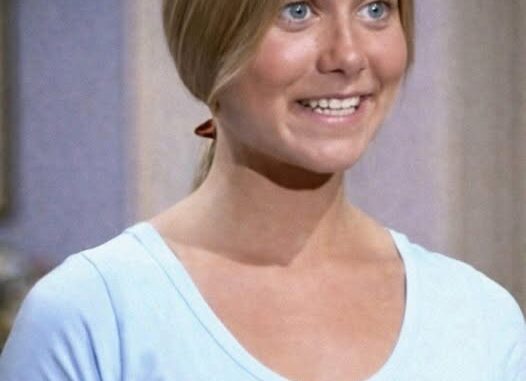
Few television series have managed to leave a cultural footprint as lasting as The Brady Bunch. What began as a modest family sitcom in 1969 gradually transformed into a symbol of togetherness, nostalgia, and evolving family dynamics. Decades later, its influence still echoes across entertainment, proving that sometimes the simplest stories carry the greatest staying power.
A New Kind of Family for a Changing Era
When The Brady Bunch first aired, its premise quietly introduced something different to mainstream audiences—a blended family. A widowed father with three sons marries a widowed mother with three daughters, forming a lively household of eight.
At the time, this concept was not widely represented on television. Yet the show approached it with warmth and optimism. Instead of focusing on conflict, it highlighted cooperation, understanding, and the idea that family is built through care and connection.
Episodes often followed a familiar rhythm:
- A small problem arises
- Emotions run high
- A lesson is learned
- Harmony is restored
This structure made the show easy to watch and comforting for audiences, especially during a period when society itself was going through rapid change.
Modest Beginnings, Lasting Impact
Interestingly, the show was not a massive hit during its original run (1969–1974). It performed steadily but never dominated ratings. Critics sometimes described it as overly idealistic or disconnected from real-world issues of the time.
However, everything changed in syndication.
Reruns introduced the series to younger audiences, who connected deeply with the humor, characters, and relatable family situations. Over time, The Brady Bunch grew into a beloved classic, spawning:
- Reunion specials
- Spin-off series
- TV movies
- Stage and film adaptations
What was once “just another sitcom” became a cultural cornerstone.
Growing Up on Screen
The young cast members didn’t just play a family—they grew up together. Long hours on set created genuine friendships that often mirrored their on-screen relationships.
But life behind the scenes was not always as simple as it appeared.
Young actors had to balance:
- School and filming schedules
- Public attention and private life
- Personal growth under constant observation
This environment created a mix of strong bonds and natural competition, as each cast member tried to shine in their role.
The Story Behind Marcia Brady
One of the most recognizable faces from the show was Maureen McCormick, who played Marcia Brady—the confident, popular older sister.
On screen, Marcia represented perfection.
Off screen, McCormick faced significant personal challenges. As she transitioned into adulthood, she dealt with emotional struggles and was later diagnosed with bipolar disorder. The pressure of maintaining a public image while navigating real-life difficulties created a complex and often difficult journey.
Her story highlights an important truth: the polished image seen on television rarely reflects the full reality behind it.
Life Lessons Beyond the Script
Other cast members experienced their own challenges while growing up in the spotlight. Susan Olsen, who played Cindy, navigated adolescence under public scrutiny, reminding audiences that even familiar TV faces go through ordinary life experiences.
Meanwhile, the dynamic between Barry Williams (Greg Brady) and Maureen McCormick added an unexpected layer to the show’s history. Despite playing siblings, they developed real-life feelings during filming—something the production had to carefully manage to preserve the show’s family-friendly tone.
Humor Behind the Scenes
Despite the pressures, the set was often filled with laughter.
The cast frequently played pranks on one another, helping relieve stress and build camaraderie. One well-known story involves Barry Williams placing frogs in the bed of Florence Henderson (Carol Brady), creating a moment that became legendary among fans.
These lighthearted moments contributed to the natural chemistry viewers saw on screen.
Moments That Became Iconic
Some of the show’s most memorable scenes weren’t even scripted.
Christopher Knight, who played Peter Brady, famously improvised the line “pork chops and applesauce.” It became one of the most quoted moments in the show’s history—proof that spontaneity can sometimes outshine careful planning.
A Cultural Legacy That Endures
Over time, The Brady Bunch helped normalize the idea of blended families in mainstream media. It also influenced countless future shows centered around family life.
Its enduring appeal comes from universal themes:
- Sibling relationships
- Personal growth
- Communication and understanding
- Finding unity despite differences
Even as society evolved, these themes remained relevant.
Beyond Nostalgia: Why It Still Matters
The continued popularity of The Brady Bunch is not just about nostalgia—it’s about connection.
The show offers:
- A comforting vision of family life
- A reminder of simpler storytelling
- Insight into the early days of modern television
At the same time, the real-life stories of the cast provide a deeper understanding of the entertainment industry—especially the challenges faced by young performers.
Final Thoughts
The story of The Brady Bunch is more than just a television success. It is a blend of fiction and reality, where scripted moments of family life intersected with real human experiences behind the scenes.
Its legacy continues because it represents something timeless:
- The desire for belonging
- The importance of connection
- The idea that family, however it is formed, can grow stronger together
In the end, the Brady household wasn’t just a set—it became a symbol. And decades later, that symbol still resonates with audiences around the world
Leave a Reply