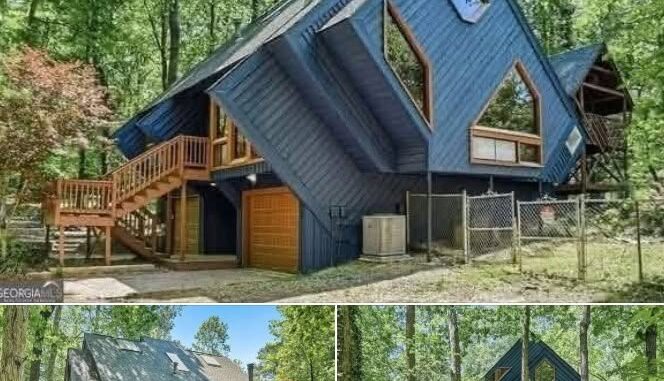
Some houses attract attention because of their modern design and technology. Others stand out because of their history, architectural details, and generous living spaces.
A home reportedly built in 1925, featuring eight bedrooms and six bathrooms, offers an interesting example of how older residential properties can continue to appeal to homeowners today.
With a century of history behind it, a house of this age may reflect building traditions and design preferences from an earlier generation.
Its spacious layout also raises interesting possibilities for large families, multigenerational households, and people who appreciate having additional rooms.
However, the age and number of rooms alone don’t tell the complete story.
Understanding the appeal of a historic property also means considering its architecture, condition, maintenance requirements, and potential for modern living.
A House With Nearly a Century of History
The year 1925 was an interesting period in residential architecture.
Across many communities, housing designs were evolving as construction techniques, household needs, and available materials changed.
Some homes from this era featured traditional craftsmanship, decorative woodwork, detailed trim, and carefully designed entrances.
Others incorporated architectural influences that reflected the region in which they were built.
Depending on its location and original design, a house constructed in 1925 might contain elements associated with Colonial Revival, Craftsman, Tudor Revival, or other architectural traditions.
However, the specific style of this property cannot be confirmed without photographs, architectural records, or an inspection.
What makes older homes appealing is often their connection to the past.
Every renovation, room arrangement, and preserved feature can offer clues about how previous generations lived.
Even when a property has been modernized, parts of its original character may remain.
Eight Bedrooms Provide Considerable Flexibility
One of the most distinctive reported features of this property is its eight-bedroom layout.
That is significantly more sleeping space than many conventional family homes provide.
For a large household, having several bedrooms can make it easier to accommodate different family members while maintaining privacy.
Multigenerational families may also appreciate the possibility of separate rooms for parents, children, grandparents, or visiting relatives.
However, bedrooms don’t always have to serve their original purpose.
Depending on local regulations and the home’s configuration, additional rooms could potentially become home offices, libraries, creative studios, hobby rooms, or guest accommodations.
For someone who works remotely, a dedicated office can help separate professional responsibilities from family activities.
A household with children might use an extra room for studying, reading, or creative projects.
The possibilities depend on the size, location, and condition of each space.
Why Room Layout Matters More Than Room Count
Although eight bedrooms sound impressive, the total number doesn’t automatically determine how practical a home will be.
Room dimensions, natural lighting, storage, and accessibility all influence everyday comfort.
For example, eight small bedrooms may function differently from five larger bedrooms with generous closets.
The location of the rooms also matters.
Some older homes have bedrooms spread across several floors.
Others may have rooms connected through long hallways or arranged around central living areas.
Prospective buyers should examine a floor plan rather than relying only on the advertised bedroom count.
They should also confirm that rooms described as bedrooms meet applicable local requirements.
These may involve ventilation, natural light, emergency exits, and permitted residential use.
In older properties, some rooms may have been converted over time, making verification particularly important.
Six Bathrooms Can Make Daily Routines Easier
Another notable feature is the reported six-bathroom layout.
In a large household, multiple bathrooms can improve convenience.
Family members may be able to prepare for work or school without waiting for the same facilities.
Guests can also enjoy greater privacy.
However, the number of bathrooms is only one consideration.
Their condition, location, and functionality matter just as much.
Some bathrooms in older homes may have been added during later renovations.
Others may contain fixtures or plumbing systems that require attention.
Before purchasing a property of this size, it’s worth reviewing the condition of the sinks, showers, bathtubs, toilets, and ventilation systems.
Water pressure and hot-water capacity are also important, particularly when several bathrooms may be used at the same time.
A qualified plumbing professional can help identify concerns that aren’t immediately visible.
The Architectural Appeal of Homes From the 1920s
Many people appreciate older houses because they can offer design features that differ from those commonly found in newer developments.
Depending on the property’s original construction, these might include decorative moldings, hardwood floors, substantial doors, distinctive staircases, or detailed window frames.
Some homes from the 1920s also featured formal dining rooms, separate sitting areas, and entrances designed to create a sense of arrival.
These features reflect historical design preferences rather than confirmed details of this particular house.
The actual architectural character would need to be established through photographs or an in-person examination.
For buyers interested in historic properties, identifying original features can be part of the appeal.
Well-preserved craftsmanship may contribute to a home’s distinctive appearance.
At the same time, buyers should consider whether the layout and materials are compatible with their daily needs.
Understanding How Homes Have Changed Since 1925
Residential expectations have changed considerably over the past century.
Modern homeowners often prioritize open-plan living areas, updated kitchens, energy-efficient systems, and flexible workspaces.
Homes built in earlier decades may have been designed around different routines.
Kitchens were sometimes separated from dining and living spaces.
Storage arrangements differed from those used today.
Electrical systems were designed for fewer appliances and devices.
Heating and cooling technology has also evolved.
As a result, an older house may contain a mixture of original features and later improvements.
Some changes may have been made decades ago, while others could be relatively recent.
Understanding this renovation history helps buyers evaluate how the property functions today.
The Importance of a Professional Home Inspection
A property built in 1925 deserves careful evaluation before purchase.
Its age doesn’t necessarily mean it has serious problems.
Some older houses have been maintained exceptionally well.
However, major systems and structural components may have experienced decades of use.
A professional inspection can help identify visible concerns and areas requiring further investigation.
The roof, foundation, plumbing, electrical systems, and heating equipment should receive particular attention.
Buyers may also benefit from consulting specialists when an inspector identifies issues beyond the scope of a general assessment.
A detailed inspection can help clarify potential maintenance expenses and inform purchasing decisions.
Checking the Roof and Exterior
The roof is one of the most important parts of any home.
It protects the interior from rain, snow, wind, and other weather conditions.
For an older property, buyers should ask when the roof was last replaced and whether significant repairs have been completed.
Visible signs of deterioration may include damaged roofing materials, staining, or evidence of previous leaks.
The exterior walls, gutters, drainage systems, and windows also deserve attention.
Poor drainage can allow moisture to collect near the foundation.
Damaged gutters may contribute to water-related problems.
A qualified inspector can assess these areas and recommend additional evaluation when necessary.
Foundation and Structural Considerations
A home that has stood for many decades may show signs of natural settling.
However, not every crack or uneven surface has the same significance.
Some changes are cosmetic.
Others may require professional assessment.
Buyers should pay attention to substantial cracks, unusual floor slopes, sticking doors, or visible movement in structural components.
These signs don’t automatically indicate major damage, but they shouldn’t be dismissed without appropriate evaluation.
A structural engineer may be needed if significant concerns are identified.
Understanding the condition of the foundation and supporting structure is especially important before planning renovations.
Electrical Systems in Older Homes
Electrical safety is another important consideration.
Homes built in the 1920s were originally designed for a very different level of electricity use.
Modern households rely on numerous appliances, computers, entertainment devices, and charging equipment.
Over the years, many older homes have received electrical upgrades.
Others may still contain outdated components or a combination of wiring systems installed at different times.
Prospective buyers should ask about the electrical panel, wiring updates, and previous permits.
A licensed electrician can determine whether the system is suitable for current needs and identify any necessary improvements.
Plumbing and Water Systems
A home with six bathrooms may have a complex plumbing arrangement.
The condition of its pipes, drains, fixtures, and water-heating equipment can affect both comfort and maintenance costs.
Older homes may contain plumbing materials installed during different renovation periods.
Some sections may have been replaced, while others remain from earlier work.
Buyers should look for evidence of leaks, moisture damage, corrosion, and inadequate drainage.
They should also ask whether the water-heating system can support several bathrooms.
Understanding the plumbing layout can be particularly helpful when planning future improvements.
Heating, Cooling, and Energy Efficiency
Heating and cooling a large home can require substantial energy.
This is especially relevant when a property has many rooms, multiple floors, or older windows.
The home’s insulation, air sealing, heating equipment, and ventilation all influence energy performance.
Some historic properties have already received efficiency improvements.
Others may benefit from additional work.
Potential upgrades might include insulation improvements, maintenance of heating systems, or appropriate window repairs.
However, changes should be planned carefully to avoid damaging historic materials or creating moisture problems.
An energy assessment can help identify practical opportunities for improvement.
Preserving Original Features
One of the attractions of an older property is the possibility of preserving original craftsmanship.
Wooden doors, decorative trim, flooring, staircases, and other architectural details may contribute to the home’s character.
When these elements are in good condition, restoration may be preferable to replacement.
However, not every original feature is necessarily practical or safe for modern use.
The goal is to balance preservation with functionality.
Before removing or modifying historic materials, owners should investigate their condition and significance.
Properties with official historic designations may also be subject to specific renovation rules.
Checking local requirements before beginning work can help avoid complications.
Renovating Without Losing Character
Renovating an older house requires thoughtful planning.
Some homeowners prefer to retain as much of the original design as possible.
Others want to introduce modern conveniences while preserving selected architectural details.
Both approaches can work when changes are carefully considered.
For example, a kitchen might be updated with modern appliances while retaining suitable original cabinetry or decorative features.
Bathrooms may be renovated to improve functionality without changing the overall character of the house.
Electrical and plumbing upgrades can sometimes be completed with limited visible impact.
The best approach depends on the property’s condition, budget, and any applicable preservation requirements.
Could This Home Work for Multigenerational Living?
An eight-bedroom house may offer possibilities for families with several generations living together.
Separate bedrooms can provide privacy while shared spaces encourage family interaction.
Some households may appreciate having grandparents, adult children, or visiting relatives under one roof.
However, suitability depends on more than the number of rooms.
Accessibility is particularly important.
If bedrooms are located on upper floors, stairs may create challenges for residents with limited mobility.
Bathroom access, doorway widths, and the arrangement of shared spaces also matter.
A home that works well for one family may require modifications for another.
Evaluating the actual floor plan is essential.
Extra Rooms for Work and Hobbies
The availability of additional rooms may appeal to people who work from home or enjoy creative activities.
A dedicated office can provide a quiet place for meetings and focused work.
A separate room might also be used for reading, painting, sewing, or other hobbies.
Families may appreciate having a study area away from busy common spaces.
However, converting rooms can involve practical considerations.
Adequate lighting, ventilation, heating, and electrical access are important.
Depending on the intended use, permits or other requirements may apply.
Planning these details helps ensure that extra space remains comfortable and functional.
Outdoor Space and Property Layout
The number of bedrooms and bathrooms doesn’t reveal much about the surrounding property.
A large home may sit on a generous lot or a relatively compact parcel of land.
Outdoor space can influence how the property is used.
Some households prioritize gardens, patios, and room for outdoor gatherings.
Others prefer smaller yards that require less maintenance.
Parking availability and access to the property can also affect daily convenience.
Before evaluating the home as a whole, prospective buyers should review the lot size, boundaries, access arrangements, and local land-use requirements.
These details can be just as important as the interior layout.
The Financial Responsibilities of a Large Home
A spacious property may offer flexibility, but it can also involve higher ongoing expenses.
Heating, cooling, cleaning, and maintenance costs may increase with the size of the building.
A larger roof and more exterior surfaces can require additional upkeep.
Six bathrooms may also mean more fixtures and plumbing components to maintain.
Insurance and property taxes vary according to location and property characteristics.
Potential buyers should consider these expenses alongside the purchase price.
It’s also wise to budget for unexpected repairs.
A home may appear attractive and well maintained while still containing systems that will need replacement in the coming years.
Understanding Renovation Costs
Renovation expenses depend on the property’s condition and the scope of the work.
Cosmetic improvements, such as painting or updating fixtures, may be relatively straightforward.
Major electrical, plumbing, roofing, or structural work can require more extensive planning and professional assistance.
Older homes may also contain materials that require special handling during renovation.
For example, certain historic building materials may need assessment for lead-based paint or asbestos before they are disturbed.
Qualified professionals can help identify applicable safety requirements.
Obtaining detailed estimates before beginning a project can reduce the risk of unexpected costs.
Why Maintenance Records Matter
Maintenance history can provide valuable insight into an older property.
Records may show when major systems were replaced, which repairs were completed, and whether renovations received appropriate permits.
Useful documents may include roofing invoices, electrical inspection reports, plumbing records, renovation permits, and warranties.
These materials don’t replace a professional inspection.
However, they can help buyers understand how the property has been cared for over time.
If documentation is limited, additional investigation may be appropriate.
The goal is to make decisions based on reliable information rather than assumptions.
The Importance of Location
A home’s location can strongly influence its appeal and practical value.
Proximity to schools, employment, healthcare, shops, and transportation may matter to prospective buyers.
Neighborhood characteristics and local services can also affect daily life.
For historic properties, the surrounding area may provide useful context about when and why the home was built.
Some older houses are located in established residential neighborhoods.
Others may be found in rural areas or near historic town centers.
Without the exact address of this particular property, its neighborhood, market value, and local amenities cannot be evaluated.
These details should be verified before drawing conclusions about its suitability or investment potential.
Is a Historic Home Right for Everyone?
Older homes can be rewarding to own, but they aren’t the ideal choice for every household.
Some buyers enjoy preserving original features and managing renovation projects.
Others prefer newer construction with more predictable maintenance needs.
Neither preference is inherently better.
The decision depends on lifestyle, financial circumstances, and willingness to maintain the property.
A historic house may offer distinctive architecture and flexible living spaces.
At the same time, it may require careful budgeting and ongoing attention.
Understanding both the advantages and responsibilities can help prospective buyers make informed decisions.
Questions to Ask Before Buying a Home Built in 1925
Before considering a property of this age, prospective buyers should gather detailed information.
Important questions include:
- What is the property’s exact location and current asking price?
- Are all eight bedrooms and six bathrooms officially documented?
- When were the roof, plumbing, and electrical systems last updated?
- Has the foundation or structure required significant repairs?
- Are there records of previous renovations and inspections?
- Does the property have any historic preservation restrictions?
- What are the estimated heating, cooling, insurance, and property tax costs?
- Are there known moisture problems or other maintenance concerns?
- Does the layout meet the household’s current and future needs?
- Are any additional inspections or specialist assessments recommended?
Clear answers can help buyers understand the property’s condition and financial responsibilities.
The Lasting Appeal of Historic Architecture
Homes built in earlier generations can provide a distinctive connection to architectural history.
Their design may reflect construction methods, materials, and household expectations that differ from those of today.
For some homeowners, preserving that connection is part of the enjoyment of owning an older property.
A spacious house with eight bedrooms and six bathrooms may offer considerable flexibility.
But the true appeal depends on the condition, layout, location, and individual needs of its occupants.
A historic property doesn’t have to remain unchanged to be appreciated.
Thoughtful maintenance and appropriate updates can help it remain functional while respecting its character.
Final Thoughts
A home reportedly built in 1925 with eight bedrooms and six bathrooms offers an interesting combination of age and space.
Its layout may support a variety of household arrangements, while its construction date invites curiosity about the architectural history behind it.
However, important details remain unknown.
Without verified photographs, an address, floor plans, and condition reports, it isn’t possible to confirm the home’s architectural style, current market value, or renovation requirements.
For anyone interested in purchasing an older property, the most sensible approach is to combine appreciation for its history with careful research.
A home’s character may attract attention, but its condition, practicality, and suitability are what ultimately determine whether it’s the right place to live.
With proper evaluation and thoughtful maintenance, historic homes can continue to serve new generations while preserving meaningful connections to the past.
Leave a Reply