
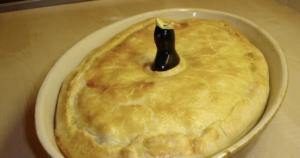
If you have ever explored a collection of vintage kitchen accessories, you may have noticed a small ceramic bird with an opening near its beak. While it might resemble a decorative ornament, this charming little object serves a practical purpose in traditional baking.
Known as a pie bird, it is designed to allow steam to escape from pies during baking. Its unique shape can also help support the upper pastry crust, making it a useful accessory when preparing homemade fruit pies.
Although modern baking techniques offer several alternatives, pie birds remain popular among people who appreciate traditional kitchen tools.
Here is everything you need to know about their purpose, benefits, and proper use.
What Is a Pie Bird?
A pie bird is a small, hollow baking accessory typically made from oven-safe ceramic. It is positioned in the center of a pie before the top pastry crust is added.
Traditional designs resemble birds with an open beak, which allows steam to escape as the filling heats inside the oven.
These accessories are also commonly known as:
- Pie funnels
- Pie vents
- Pie chimneys
- Pie whistles
While some feature simple ceramic designs, others are decorated with colorful glazes, painted details, and distinctive shapes.
Regardless of their appearance, their primary function is to provide ventilation during baking.
How Does a Pie Bird Work?
Fruit naturally contains moisture, which is released as the filling heats during baking.
When a pie is covered with a complete pastry crust, steam needs an opening through which it can escape.
Without sufficient ventilation, moisture may accumulate beneath the pastry, potentially contributing to excessive bubbling or filling spilling around the edges.
A pie bird creates an additional passage for steam.
Its hollow interior functions like a miniature chimney, allowing vapor to travel upward and escape through the opening above the crust.
This can help manage moisture and reduce some common baking difficulties.
However, a pie bird cannot guarantee perfect results. The consistency of the filling, pastry preparation, and baking temperature remain important factors.
Providing Additional Support for the Pastry
Another practical feature of a pie bird is its ability to provide some support for the upper crust.
When the pastry is placed over the filling, the raised ceramic accessory can help prevent the center of the dough from resting entirely against the moist ingredients.
Depending on the recipe and the shape of the accessory, this may help reduce excessive sinking in the middle of the pie.
This combination of ventilation and structural support demonstrates the thoughtful design behind many traditional kitchen accessories.
How to Use a Pie Bird Correctly
Using a pie bird requires very little additional preparation. It can easily be incorporated into your usual double-crust pie recipe.
Step 1: Prepare the Bottom Crust
Place your prepared pastry dough inside a suitable pie dish.
Gently press it against the bottom and sides, following the instructions provided in your recipe.
Step 2: Position the Pie Bird and Add the Filling
Place the pie bird upright in the center of the bottom crust, following the manufacturer’s instructions.
Arrange your prepared fruit filling around the accessory, distributing it evenly throughout the dish.
Make sure the bird remains stable and that its steam passage is not blocked by the filling.
Step 3: Add the Upper Pastry Crust
Prepare the second layer of pastry and carefully position it over the filling.
Create a small opening in the center of the dough so that the upper portion of the pie bird extends through the pastry.
The opening near its beak must remain exposed to allow steam to escape.
Step 4: Seal the Pastry Edges
Trim any excess dough and gently seal the upper and lower crusts together.
You can create a decorative edge using your fingers or a fork.
Check that the ceramic vent remains upright and unobstructed.
Step 5: Bake the Pie
Place the assembled pie in the oven and follow the temperature and baking time recommended by your recipe.
As the filling heats, steam can escape through the hollow ceramic accessory.
Step 6: Allow the Pie to Cool
Once baking is complete, carefully remove the pie from the oven.
The ceramic accessory will be very hot, so avoid touching it immediately.
Allow the pie to cool sufficiently before serving or attempting to remove the bird. Follow the manufacturer’s recommendations and avoid forcing the accessory out of the pastry.
Which Pies Are Best Suited to a Pie Bird?
Pie birds are particularly useful when preparing pies with juicy fillings and a complete upper pastry crust.
Some popular examples include:
Apple pie: Apples release moisture as they soften, making proper ventilation helpful.
Cherry pie: A ceramic vent can provide an additional opening for steam produced by the fruit filling.
Mixed berry pie: Blueberries, raspberries, and strawberries may release considerable liquid during baking.
Peach pie: Juicy peaches can benefit from suitable pastry ventilation.
Other double-crust fruit pies: Recipes containing moist fruit mixtures may also benefit from this traditional accessory.
For particularly juicy fillings, continue following your recipe’s recommendations regarding thickening ingredients and baking techniques.
When Is a Pie Bird Unnecessary?
Although pie birds can be useful, not every dessert requires one.
Single-Crust Pies
Pies without a complete upper pastry layer already have an exposed surface through which moisture can escape.
A ceramic vent generally provides little additional benefit.
Custard Pies
Custard-based desserts typically require a different baking method, and their fillings are designed to set gradually.
A traditional pie bird is usually unnecessary.
Cream Pies
Many cream pies feature fillings that are prepared separately and added to a baked pastry shell.
Since these desserts generally do not have a baked upper crust, they do not require this accessory.
No-Bake Pies
Desserts prepared without oven baking do not need a steam vent.
Can You Bake a Pie Without a Pie Bird?
Yes. A pie bird is an optional accessory rather than an essential baking requirement.
Many home bakers create small openings in the upper pastry using a kitchen knife.
Others arrange strips of pastry into a lattice pattern, which naturally allows steam to escape.
Both methods provide practical ventilation without requiring additional equipment.
If you regularly prepare traditional double-crust pies, you may enjoy using a ceramic pie bird. However, ordinary pastry vents remain a perfectly suitable alternative.
What Are Pie Birds Made From?
Traditional pie birds are commonly manufactured from ceramic or glazed earthenware specifically designed for oven use.
Their materials allow manufacturers to create a variety of shapes, colors, and decorative finishes.
Popular designs include:
- Classic white ceramic birds
- Brown and cream-colored vintage designs
- Colorful glazed birds
- Hand-painted ceramic figures
- Simple funnel-shaped vents
When selecting a pie bird, check that the product is specifically intended for food contact and oven use.
Decorative ceramic ornaments may look similar but are not necessarily suitable for baking.
Vintage accessories with unknown materials or glazes should not be used with food unless their suitability can be established.
How to Clean and Maintain a Pie Bird
Proper care can help preserve your ceramic baking accessory for future use.
After baking, allow the pie bird to cool completely before washing it.
Sudden temperature changes may damage certain ceramic materials.
Once cooled, wash it gently with warm water and dish soap. A soft sponge or small cleaning brush can help remove food residue.
Pay particular attention to the hollow interior, where small amounts of filling may collect.
Rinse thoroughly and allow the accessory to dry before storing it.
Always follow any cleaning instructions provided by the manufacturer.
Store the pie bird in a secure location where it is unlikely to fall or come into contact with heavy kitchen equipment.
Are Vintage Pie Birds Collectible?
Beyond their practical purpose, pie birds have become appealing collectibles for people who enjoy vintage kitchenware.
Collectors may appreciate their unusual shapes, decorative finishes, craftsmanship, and connections to traditional home baking.
Some examples feature distinctive manufacturers or designs that may attract additional interest.
However, not every vintage pie bird has significant monetary value.
Factors that may influence its collectible appeal include:
- Age and condition
- Manufacturer
- Rarity
- Decorative details
- Original craftsmanship
If you discover an older pie bird at an estate sale, antique shop, or inside a family cupboard, examine it carefully for chips, cracks, and other signs of damage.
Items that are unsuitable for baking may still make attractive decorative pieces.
Common Mistakes to Avoid
Getting the most from a pie bird involves paying attention to a few simple details.
Blocking the vent: Keep the upper opening exposed throughout baking.
Incorrect positioning: Place the accessory securely near the center of the pie.
Using unsuitable ceramics: Only use accessories confirmed to be appropriate for oven temperatures and food contact.
Handling the accessory too soon: Allow sufficient cooling time before touching or removing it.
Overlooking filling consistency: A pie bird cannot compensate for an excessively watery filling or incorrect recipe preparation.
Using damaged accessories: Avoid baking with ceramic items that have visible cracks or significant chips.
Following these recommendations can help you use the accessory safely and effectively.
Is a Pie Bird Worth Adding to Your Kitchen?
Whether a pie bird is useful depends on your baking habits.
If you frequently prepare apple, cherry, peach, or berry pies with complete upper crusts, this traditional accessory may be a convenient addition to your collection.
It provides an additional route for steam to escape and may offer support beneath the pastry.
For occasional bakers, however, ordinary pastry openings or lattice crusts can accomplish a similar ventilation function.
Many people also appreciate pie birds because they combine practical design with the charm of traditional kitchenware.
Final Thoughts
The small ceramic bird found among vintage baking accessories is more than an interesting decoration.
Its hollow design serves a practical purpose by allowing steam to escape from certain types of pies during baking.
Although modern baking methods provide several alternatives, pie birds remain an appealing option for anyone who enjoys preparing traditional homemade desserts.
They are simple to use, relatively easy to maintain, and available in many decorative styles.
Whether you choose to bake with one or display it alongside your favorite kitchen accessories, a pie bird offers an interesting reminder of the creativity behind traditional household tools.
Sometimes, the simplest kitchen inventions are the ones that remain useful for generations.
Leave a Reply