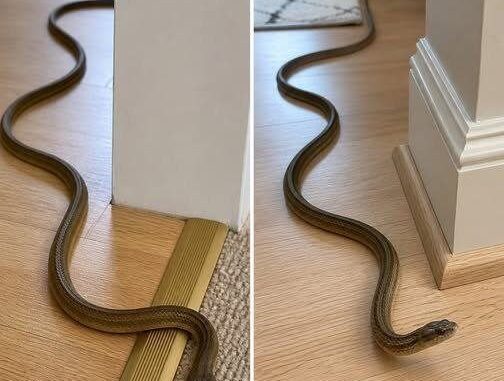
Imagine walking through your house late at night, turning on the hallway light, and suddenly spotting a snake on the floor. For many people, it’s one of the most frightening surprises imaginable — a moment filled with panic, confusion, and instant adrenaline.
While it may feel terrifying, snakes usually enter homes for simple survival reasons. They are not trying to attack people or create danger. In most cases, they are searching for food, shelter, warmth, or protection from weather conditions.
Understanding why snakes enter homes and knowing how to respond calmly can make a huge difference in keeping both your family and the animal safe.
Why Snakes Enter Homes
Snakes rarely enter houses randomly. Their behavior is usually driven by survival needs.
1. Food Sources Attract Them
One of the most common reasons snakes enter homes is the presence of prey.
If your property has:
- Mice
- Rats
- Insects
- Small pests
it may become attractive to snakes searching for food.
Rodents leave scent trails that snakes can detect easily. To a snake, a home with pest activity may seem like a reliable hunting area.
2. They Are Looking for Shelter
Snakes naturally seek dark, quiet, and hidden environments where they feel protected.
Common indoor hiding places include:
- Basements
- Garages
- Crawl spaces
- Attics
- Storage rooms
Clutter makes these areas even more appealing. Boxes, old furniture, piles of clothing, and unused items create perfect hiding spots where snakes can remain unnoticed for long periods.
3. Weather Conditions Push Them Indoors
Weather is another major reason snakes sometimes enter homes.
During Hot Weather:
Snakes may search for cooler areas such as:
- Bathrooms
- Basements
- Laundry rooms
- Shaded indoor spaces
During Cold Weather:
Because snakes are cold-blooded animals, they seek warmth during colder seasons. Heated homes can become attractive temporary shelters.
During Heavy Rain or Flooding:
Snakes may move indoors to escape rising water and find dry ground.
In most situations, your home becomes a temporary refuge rather than a permanent destination.
Are Snakes in the Home Dangerous?
Not all snakes are dangerous. In fact, many common species are non-venomous and even helpful because they control rodent populations naturally.
However, most people cannot safely identify snake species on sight.
Because of this uncertainty, experts recommend treating every snake encounter cautiously.
Even non-venomous snakes may bite if they feel cornered or threatened.
What to Do Immediately If You See a Snake
Your response in the first few moments is extremely important.
1. Stay Calm and Back Away
Avoid sudden movements or panic. Slowly step back and give the snake space.
Most snakes prefer avoiding humans and may leave on their own if left undisturbed.
2. Never Try to Touch or Catch It
Many snake bites happen because people attempt to:
- Pick up the snake
- Trap it themselves
- Kill it
- Move it without training
Even small snakes can bite defensively when frightened.
3. Confine the Area If Possible
If it can be done safely:
- Close the room door
- Block gaps beneath doors
- Keep the snake isolated in one area
This makes removal easier for professionals.
4. Keep Children and Pets Away
Immediately move children and pets to another room or outside area.
Curious animals and young children may unknowingly approach the snake, increasing the risk of injury.
5. Contact Professionals
The safest option is to call:
- Animal control
- Wildlife removal services
- Licensed pest control professionals
These experts have the proper training and equipment to remove the snake safely.
What NOT to Do
Certain reactions can make the situation far more dangerous.
Avoid:
- Throwing objects at the snake
- Attempting DIY removal
- Using sticks or tools to corner it
- Assuming it is harmless
- Trying to kill it yourself
These actions increase stress on the animal and raise the likelihood of defensive bites.
Common Places Snakes Hide Indoors
After entering a house, snakes rarely stay out in open spaces for long.
They usually hide in:
- Behind refrigerators or appliances
- Under beds and couches
- Inside closets
- Near water heaters or pipes
- In basements or crawl spaces
- Around storage boxes or clutter
Snakes prefer dark, quiet areas with warmth and protection.
If you suspect one may still be inside your home, avoid reaching into hidden spaces without checking carefully first.
Warning Signs a Snake May Be Nearby
Sometimes homeowners do not see the snake directly but notice clues instead.
Possible warning signs include:
- Shed snake skin
- Unusual droppings
- Sudden disappearance of rodents
- Strange movement sounds in walls or ceilings
- Pet behavior changes near hidden areas
These signs may indicate snake activity somewhere inside or around the home.
How to Prevent Snakes From Entering Your Home
Prevention is the most effective long-term solution.
Seal Entry Points
Inspect your home for:
- Foundation cracks
- Gaps under doors
- Holes around pipes and vents
- Open crawl spaces
Seal openings using:
- Caulk
- Mesh screens
- Weather stripping
- Door sweeps
Eliminate Rodents and Insects
Snakes usually follow food sources.
Reducing pest activity helps make your property less attractive.
Tips include:
- Store food securely
- Keep trash sealed
- Remove standing water
- Use pest control if necessary
Reduce Clutter
Clean and organized spaces leave fewer hiding areas.
Focus on:
- Storage rooms
- Garages
- Closets
- Basements
Keeping floors clear and reducing unused items can make a major difference.
Maintain the Yard
Outdoor conditions strongly influence whether snakes approach a home.
Helpful yard maintenance includes:
- Keeping grass trimmed
- Removing wood piles
- Clearing debris and leaves
- Trimming bushes and overgrowth
A clean yard reduces shelter opportunities for snakes and rodents alike.
Why Snakes Matter in Nature
Although many people fear snakes, they play an important role in the ecosystem.
Snakes help:
- Control rodent populations
- Reduce insect activity
- Maintain ecological balance
Because of this, wildlife professionals usually relocate snakes rather than harm them whenever possible.
Long-Term Safety Tips for Homeowners
To reduce future encounters:
- Regularly inspect your home exterior
- Install proper drainage to reduce moisture
- Avoid leaving pet food outdoors overnight
- Keep outdoor lighting functional
- Check garages and sheds often
Consistency is key when it comes to prevention.
Understanding Fear vs. Reality
Fear of snakes is extremely common and often instinctive. However, understanding their behavior can help replace panic with awareness.
Snakes generally do not:
- Chase people
- Enter homes to attack humans
- Act aggressively without feeling threatened
Most negative encounters happen because the snake feels trapped or frightened.
By remaining calm and keeping your distance, you significantly lower the risk of injury.
Final Thoughts
Finding a snake in your home can feel overwhelming, but staying calm is the most important step.
Remember:
- Snakes usually enter homes searching for food or shelter
- Most are not aggressive toward humans
- Never attempt to handle a snake yourself
- Professional removal is the safest option
- Prevention greatly reduces future risk
With the right approach, even a stressful situation like this can be handled safely and effectively.
Awareness, preparation, and calm action are your best tools for protecting both your home and your peace of mind.
Leave a Reply