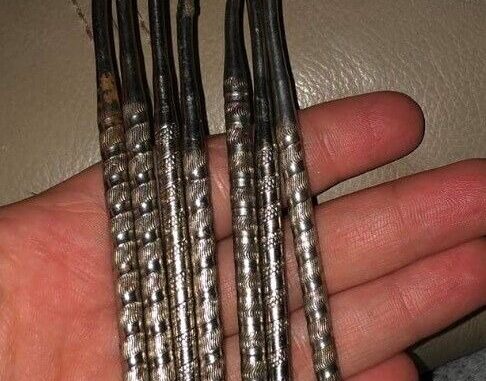
The kitchen is full of tools that range from essential to easily overlooked. Some are used every day, while others sit quietly in drawers, waiting for the right moment to be useful. One such item is the nut pick—a small, simple tool that many people don’t immediately recognize but that plays a very specific and valuable role.
If you’ve ever come across a set of thin, pointed utensils tucked away in an old drawer or part of a vintage kitchen set, you may have wondered what they were used for. Nut picks are often found alongside nutcrackers, especially in older households, and they have a long-standing place in both food preparation and dining traditions.
Although they may seem outdated at first glance, nut picks are still practical today. They also carry a sense of history and nostalgia that connects modern kitchens to earlier generations.
What Exactly Is a Nut Pick?
A nut pick is a small handheld tool with a narrow, pointed end. It is specifically designed to help remove edible portions of food from tight or hard-to-reach spaces.
Most commonly, nut picks are used after a nut has already been cracked open. While a nutcracker breaks the shell, the nut pick helps extract the meat from inside without damaging it.
Their design is simple but effective:
- A slim handle for easy grip
- A pointed or slightly curved tip
- A lightweight structure for precision
Despite their simplicity, they solve a very specific problem—getting food out cleanly when fingers alone aren’t enough.
Why Nut Picks Were So Useful
Before pre-packaged foods became widely available, people often prepared and served whole foods in their natural form. Nuts, in particular, were commonly enjoyed during gatherings, especially around colder months and holidays.
However, many nuts are difficult to eat without tools. After cracking the shell, the edible portion can remain stuck inside small crevices. Trying to remove it by hand can be messy or frustrating.
This is where nut picks come in.
They allow you to:
- Carefully remove nut meat without breaking it apart
- Reach into narrow shell openings
- Avoid waste by retrieving every usable piece
They are especially helpful for nuts with more complex shells, where precision matters.
Common Uses Beyond Nuts
Although nut picks were originally designed for nuts, their usefulness extends far beyond that.
1. Seafood Dining
Nut picks are often used when eating shellfish such as crab or lobster. These foods contain delicious meat hidden inside narrow shells that are difficult to access without tools.
A nut pick makes it easier to:
- Extract meat from small joints and claws
- Avoid leaving edible portions behind
- Improve the overall dining experience
2. Fine Food Preparation
Some people also use nut picks for delicate kitchen tasks, such as:
- Removing small seeds
- Adjusting garnishes
- Working with detailed food presentation
Their precision makes them surprisingly versatile.
A Tool Connected to Tradition
Nut picks are more than just functional—they also carry cultural and historical meaning.
In many households, especially in the mid-20th century, nutcracker sets with matching picks were a common sight. These sets were often displayed during gatherings and used as part of shared meals.
For many families, using these tools was tied to:
- Holiday traditions
- Family get-togethers
- Seasonal foods like roasted chestnuts
Because of this, nut picks are often associated with memories and rituals that go beyond their practical purpose.
The Rise of Nut Picks in the 20th Century
Nut picks became especially popular during the 1940s and 1950s. During this time, home dining and entertaining were central parts of everyday life.
Kitchen tools were not just practical—they were also designed to look appealing. Many nut pick sets from this era were crafted with attention to detail and style.
Common features included:
- Polished metal finishes
- Wooden handles
- Decorative storage containers
They were often sold together with nutcrackers as complete sets, sometimes packaged in unique holders or display bowls.
These sets were not only useful but also served as part of the home’s aesthetic.
The Appeal of Vintage Nut Picks Today
In recent years, there has been growing interest in vintage kitchen tools, and nut picks are part of that trend.
Collectors and home enthusiasts are drawn to them for several reasons:
1. Nostalgia
Older tools can bring back memories of family traditions or earlier times. Even for those who didn’t grow up using them, they can represent a connection to the past.
2. Craftsmanship
Many vintage nut picks were made with durable materials and careful design, which can feel different from modern mass-produced items.
3. Decorative Value
Some people display them as part of kitchen décor, especially in homes with a vintage or rustic style.
4. Sustainability
Using long-lasting tools instead of disposable items aligns with more environmentally conscious habits.
Are Nut Picks Still Useful Today?
Even though food habits have changed, nut picks remain practical in certain situations.
They are especially useful if you:
- Enjoy whole nuts like chestnuts or walnuts
- Serve shellfish meals at home
- Appreciate hands-on food preparation
They can also add a small but meaningful detail to gatherings, making meals feel more interactive and traditional.
Choosing the Right Nut Picks
If you’re thinking about adding nut picks to your kitchen, there are a few things to consider.
Material
Nut picks are commonly made from:
- Stainless steel (durable and easy to clean)
- Wood (traditional and visually appealing)
Each option has its own advantages depending on your preference.
Design
Look for a comfortable grip and a sturdy tip. A well-balanced design makes the tool easier to use.
Set vs. Individual
Many nut picks are sold in sets, often with matching nutcrackers. These can be convenient and visually cohesive.
Caring for Nut Picks
Because they are small tools, nut picks can easily be misplaced or damaged if not stored properly.
To keep them in good condition:
- Store them in a designated container or drawer
- Clean them after each use
- Dry them thoroughly to prevent wear
If you own a vintage set, handling them gently can help preserve their condition over time.
A Look at Their Cultural Role
Nut picks also reflect how food culture has evolved.
In earlier decades:
- Meals were often slower and more hands-on
- People spent more time preparing and sharing food
- Tools were designed to support these experiences
Today, convenience often takes priority. However, tools like nut picks remind us of a different pace—one where the process of eating was just as important as the food itself.
Why They Still Matter
At first glance, a nut pick might seem like a minor or unnecessary item. But its continued presence in kitchens and collections suggests otherwise.
It represents:
- Practical problem-solving in food preparation
- A connection to tradition and shared experiences
- The value of simple, well-designed tools
Even in a modern kitchen, there is still room for items that serve a specific purpose and carry a bit of history with them.
Final Thoughts
Nut picks may be small, but they have played a meaningful role in kitchens for decades. From helping extract food with precision to being part of family traditions, they offer both function and character.
While not everyone may need them daily, they remain a useful addition for certain meals and occasions. More importantly, they serve as a reminder that even the simplest tools can have lasting value.
Whether you’re a collector, a home cook, or simply curious about older kitchen items, nut picks are a great example of how practicality and tradition can come together in one small design.
How Nut Picks Fit into Modern Kitchens
Even though many people today rely on convenience foods, there has been a noticeable shift back toward traditional cooking methods and hands-on food experiences. As a result, tools like nut picks are quietly making a comeback.
More home cooks are exploring:
- Whole, unprocessed ingredients
- Traditional recipes
- Slower, more intentional meal preparation
In this context, nut picks are no longer seen as outdated—they’re seen as specialized tools that serve a clear purpose.
For example, preparing roasted chestnuts at home or serving fresh shellfish at a dinner gathering becomes much easier and more enjoyable with the right tools on hand.
The Role of Presentation in Dining
Another reason nut picks continue to hold value is their role in presentation.
Meals are not just about taste—they are also about the overall experience. The way food is served, the tools provided, and the attention to detail all contribute to how enjoyable a meal feels.
Including nut picks at the table:
- Adds a sense of completeness to certain dishes
- Makes dining more interactive
- Shows attention to detail as a host
For seafood dinners or seasonal gatherings, providing proper tools can elevate the entire experience.
Leave a Reply