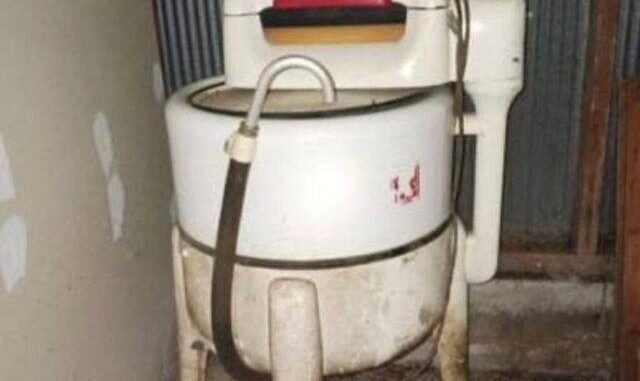
It’s common to come across unusual or unfamiliar objects at yard sales. Between old cookware, utensils, and decorative items, there are often tools that were once part of everyday routines but are no longer widely recognized today.
One such item that has recently caught people’s attention is a small, metal kitchen device that can be difficult to identify at first glance. It may resemble a scoop, clamp, or tong-like utensil. While it might seem unclear at first, this modest object actually has a very practical background.
This tool is a vintage meatball maker—a simple kitchen device designed to shape evenly sized meatballs quickly and efficiently.
A Straightforward Tool Designed for Efficiency
Before modern kitchen appliances became common, cooking relied heavily on simple, purpose-built tools. The meatball maker was one of these practical solutions.
Its function was clear: to help shape ground meat into uniform portions with minimal effort. Depending on the design, the tool could scoop, press, or clamp meat into round shapes, allowing for faster preparation and consistent results.
This consistency was especially important when cooking for families or larger groups. Evenly sized meatballs cook more uniformly, which helps improve both texture and flavor.
A Reflection of Traditional Home Cooking
Tools like the meatball maker offer insight into how cooking was approached in earlier generations. Meals were often prepared from scratch using basic ingredients and reliable tools.
Rather than relying on electric appliances or multi-functional gadgets, home cooks used durable utensils designed for specific tasks. These tools were built to last and were often used regularly in daily cooking.
In many households, a meatball maker would have been part of routine meal preparation, especially for dishes that required consistency and care.
Why It May Seem Unfamiliar Today
For modern cooks, a meatball maker may appear unusual or unnecessary. Many people today simply shape meatballs by hand or use newer tools designed with updated materials.
Modern versions are often made from silicone or stainless steel and may include features that make them easier to clean or store. As a result, older designs have gradually become less common in everyday kitchens.
Today, vintage meatball makers are more likely to be found in secondhand shops, antique stores, or tucked away in storage.
The Lasting Appeal of Vintage Kitchen Tools
Despite their reduced use, vintage kitchen tools continue to attract interest. Their appeal often comes from their simplicity, durability, and connection to the past.
Unlike many modern gadgets, older tools were typically designed to perform one specific function—and to do it well. They were often made from sturdy materials that allowed them to last for decades with proper care.
For collectors and cooking enthusiasts, these tools represent more than just functionality. They reflect a time when craftsmanship and thoughtful design were central to everyday objects.
A Tool That Helped Maximize Ingredients
The meatball maker was not only convenient—it also supported practical cooking. It helped families prepare meals that could serve multiple people while making efficient use of available ingredients.
By combining ground meat with ingredients like breadcrumbs, rice, or vegetables, cooks could create filling and balanced meals. The tool ensured consistent portion sizes, making it easier to divide food evenly.
This approach reflects a broader mindset of resourcefulness, where cooking focused on making the most of what was available.
A Connection to Global Food Traditions
Meatballs are found in many cuisines around the world. From pasta dishes to soups and stews, variations of this simple concept have been part of traditional cooking for generations.
The use of a meatball maker highlights how similar techniques appear across different cultures. While ingredients and flavors may vary, the process of shaping and cooking small portions of seasoned meat is widely shared.
This makes the tool not only practical, but also connected to a broader culinary tradition.
Is It Still Useful Today?
Even in modern kitchens, a meatball maker can still be a helpful tool. For those who enjoy cooking at home or preparing meals in advance, it offers several benefits.
It can help with:
- Creating evenly sized portions
- Saving time during preparation
- Reducing mess when handling ingredients
While it may not replace all modern tools, it provides a simple, reliable option that doesn’t rely on electricity or complex features.
Rediscovering Value in Older Designs
Finding a vintage item like this at a yard sale can be a reminder that not all useful tools are new. Older designs often continue to serve their purpose effectively, even years later.
Using these tools can encourage a more thoughtful approach to cooking—one that values simplicity, creativity, and practicality.
It also offers an opportunity to appreciate the everyday items that once played an important role in home life.
How to Recognize a Vintage Meatball Maker
If you come across a similar object, there are a few features that can help identify it.
Most vintage meatball makers are:
- Made from metal
- Designed with a scoop, clamp, or tong-like shape
- Built to form rounded portions
Some resemble oversized scissors with rounded ends, while others look like small tongs with a hollow center. Signs of wear, such as slight discoloration or patina, are common and often indicate regular use.
Despite their age, many of these tools remain sturdy and functional.
Cleaning and Preparing for Use
Before using any vintage kitchen tool, it’s important to clean it properly.
A simple cleaning process includes:
- Washing with warm water and mild soap
- Using a soft brush to clean small areas
- Drying thoroughly to prevent rust
If needed, a small amount of food-safe oil can help maintain the metal. Avoid harsh cleaning products that could damage the surface.
With proper care, these tools can continue to be used safely.
Bringing Traditional Methods Back
Using a traditional meatball maker can add a different experience to everyday cooking. It encourages a more hands-on approach and allows the process to feel more intentional.
For some, this can make cooking more enjoyable and engaging. It also provides an opportunity to share traditional techniques with others, helping preserve knowledge that might otherwise be forgotten.
A Simple Conversation Starter
Vintage kitchen items often spark curiosity. A tool like a meatball maker can easily lead to questions or shared memories when seen by friends or family.
It may remind someone of past cooking experiences or introduce others to tools they’ve never seen before. In this way, a simple object can create connections through shared stories and traditions.
Why Simplicity Still Works
In a world filled with advanced gadgets, it’s easy to overlook the value of simple tools. However, many traditional designs remain effective because they focus on doing one task well.
The meatball maker is a good example of this. It performs its function clearly and reliably, without added complexity.
This idea extends beyond the kitchen. Simple, well-designed solutions can often be just as useful as more complicated alternatives.
Final Thoughts
What may seem like a confusing or outdated object at first can turn out to have a clear and practical purpose. The vintage meatball maker is a reminder of how simple tools once supported everyday cooking.
Although modern kitchens offer new options, traditional designs still have value. They highlight the importance of efficiency, creativity, and thoughtful preparation.
Whether used for cooking, kept as a collectible, or simply appreciated for its history, this small kitchen tool represents a meaningful connection to the past.
And sometimes, those small connections are what make everyday experiences more interesting and memorable.
Leave a Reply