When an Unexpected Symptom Appears
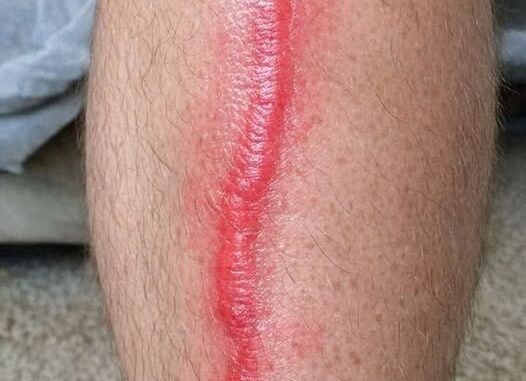
Noticing a sudden change in your body—especially something visible like a red line on your leg—can be unsettling. If the area feels warm, firm, or painful, it’s natural to feel concerned and unsure about what steps to take.
Situations like this can become even more stressful if immediate medical care isn’t easily available, such as during long wait times at emergency facilities. While it’s important to stay calm, it’s equally important to understand what the symptom might indicate and when it should be evaluated by a healthcare professional.
This guide explains possible causes, warning signs to watch for, and general steps you can take while arranging medical care.
What Could a Red Line on the Leg Indicate?
A visible red line, particularly one that feels warm or tender, can be associated with several conditions. Some may be mild and manageable, while others may require prompt attention.
Two commonly considered possibilities include:
- Inflammation in a vein close to the skin
- A skin infection affecting deeper layers
Because these conditions can look similar on the surface, a proper medical evaluation is important for an accurate diagnosis.
Vein-Related Inflammation
One possible cause is Superficial thrombophlebitis, which involves irritation or inflammation in a vein near the surface of the skin.
This condition may occur when blood flow becomes disrupted, sometimes involving a small clot.
Common signs may include:
- A firm or slightly raised line beneath the skin
- Warmth in the affected area
- Localized redness following the path of a vein
- Mild to moderate discomfort
In many cases, this condition can be managed with medical guidance and does not lead to serious complications. However, it still requires evaluation to rule out deeper issues.
Skin Infection as Another Possibility
Another potential cause is a bacterial skin infection known as Cellulitis.
This condition affects deeper layers of the skin and may cause:
- Spreading redness that expands over time
- Swelling in the affected area
- Pain or sensitivity
- Fever or general fatigue in some cases
Unlike vein-related inflammation, infections often spread beyond a straight line and may worsen if not treated. Medical care is important, as treatment may involve prescription medication.
More Serious Conditions to Be Aware Of
In some situations, symptoms in the leg may raise concern about Deep vein thrombosis (DVT).
This condition involves a blood clot forming in a deeper vein, typically in the leg. While not every red line indicates DVT, it’s important to recognize warning signs.
Symptoms that may require urgent attention include:
- Swelling affecting a large portion of the leg
- Persistent or increasing pain
- Changes in skin color (such as pale, bluish, or darkened areas)
- A heavy or tight feeling in the limb
If left untreated, DVT can lead to complications, so timely evaluation is important.
Symptoms to Monitor Closely
If you notice a red line or similar symptom, tracking changes can be helpful.
Pay attention to:
- Whether the redness is spreading
- Increasing pain or tenderness
- Development of swelling
- Fever or chills
- Any new or unusual symptoms
These observations can help healthcare providers better understand what’s happening and guide appropriate care.
When Immediate Care Is Necessary
While it can be tempting to wait, certain symptoms should not be delayed.
Seek urgent medical attention if you experience:
- Sudden shortness of breath
- Chest discomfort or pressure
- Rapid heartbeat
- Severe swelling or worsening pain
- Dizziness, confusion, or unusual weakness
These symptoms may indicate a more serious condition requiring immediate evaluation.
If emergency departments are crowded, urgent care clinics or alternative services may offer faster access.
What You Can Do While Waiting
If your symptoms appear stable and you are waiting to see a healthcare provider, there are a few general steps that may help provide comfort.
These include:
- Resting and avoiding unnecessary strain on the leg
- Elevating the leg to reduce swelling
- Applying a warm compress for short periods
- Staying well hydrated
Over-the-counter pain relief may be considered if appropriate, but it’s best to follow recommended guidelines and consult a professional when possible.
Avoid massaging or applying pressure to the area, especially if a clot is suspected.
Who May Be at Higher Risk?
Certain factors can increase the likelihood of circulation or vein-related issues. These may include:
- Long periods of inactivity (such as extended travel or bed rest)
- Previous history of vein conditions
- Smoking
- Excess body weight
- Hormonal changes or certain medications
Being aware of these factors can help individuals take preventive steps and recognize symptoms earlier.
How Doctors Evaluate the Condition
When you visit a healthcare provider, they will typically begin with a physical examination and a discussion of your symptoms.
Depending on the situation, additional tests may be recommended, such as imaging (like an ultrasound), to assess what is happening beneath the surface.
The goal is to determine:
- Whether a vein is involved
- If a clot is present
- Whether an infection is causing the symptoms
Treatment will depend on the underlying cause and the severity of the condition.
Prevention and Long-Term Care
If a vein-related issue is confirmed, follow-up care may help reduce the risk of recurrence.
General preventive steps include:
- Staying physically active
- Taking breaks during long periods of sitting
- Maintaining a balanced diet
- Avoiding smoking
- Following medical advice for any underlying conditions
In some cases, healthcare providers may recommend additional measures, such as compression garments or lifestyle adjustments.
Encouraging Awareness at Home
Situations like this highlight the importance of recognizing basic health warning signs. Being informed allows individuals and families to respond calmly and appropriately when unexpected symptoms arise.
Encouraging habits such as regular movement, hydration, and routine health check-ups can support overall well-being and reduce future risks.
A sudden red line on the leg—especially when accompanied by warmth or discomfort—should not be ignored. While it may be related to a mild condition, it can also signal something that requires timely medical attention.
The best approach is to stay observant, avoid unnecessary worry, and seek professional advice as soon as possible. When in doubt, it’s always safer to have symptoms evaluated rather than waiting too long.
By taking a balanced and informed approach, you can respond effectively while protecting your health and peace of mind.
Leave a Reply