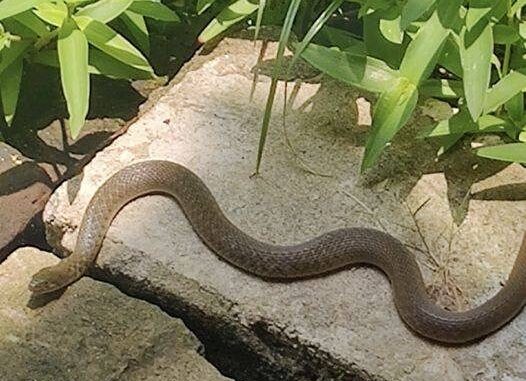
Most people understand that snakes play an important role in nature. They help control rodent populations and usually prefer to avoid humans whenever possible.
Still, even people who respect wildlife may not enjoy unexpectedly spotting a snake near the garden, patio, or front porch.
The good news is that you don’t need harsh chemicals or extreme measures to make your yard less attractive to snakes. In many cases, small changes around your property can significantly reduce the chances of snakes hanging around.
Here are eight practical and natural ways to help keep snakes away from your yard.
1. Reduce Food Sources Around Your Home
Snakes usually appear where food is easy to find.
If your yard attracts rodents like mice or rats, snakes may follow because those animals are a primary food source. Birdseed scattered on the ground, open trash bins, and poorly maintained compost piles can all attract rodents without homeowners realizing it.
Helpful Tips:
- Store pet food securely
- Clean up spilled birdseed regularly
- Use sealed garbage containers
- Keep compost bins covered properly
Reducing rodent activity can make your yard much less appealing to snakes.
2. Plant Lemongrass Around the Yard
Lemongrass is often recommended as a natural deterrent because of its strong citrus scent.
While it is not guaranteed to repel every snake, many people use it as part of a broader prevention strategy. As an added benefit, lemongrass may also help discourage mosquitoes.
Best Places to Plant It:
- Along fences
- Near patios
- Around garden borders
- Close to entry points
It also adds greenery and fragrance to outdoor spaces.
3. Try a Simple Citrus Spray
Some homeowners use homemade citrus sprays around porches, patios, and walkways.
The process is simple:
- Soak orange or lemon peels in water for several hours
- Pour the liquid into a spray bottle
- Spray around outdoor areas where snakes may travel
Strong citrus scents may help discourage some animals from lingering nearby.
While it is not a guaranteed solution, it is a gentle and non-toxic option worth trying.
4. Keep Grass and Landscaping Well Maintained
Snakes prefer areas where they can hide easily.
Tall grass, wood piles, overgrown weeds, and cluttered landscaping create ideal shelter. Keeping your yard clean and open reduces places where snakes may feel comfortable resting.
Areas to Watch:
- Wood stacks
- Leaf piles
- Dense shrubs
- Unused outdoor materials
- Overgrown flower beds
A tidy yard can make a big difference.
5. Seal Gaps Around Your Home
Small openings around houses can unintentionally provide shelter for snakes and rodents.
Inspect your property for:
- Cracks in foundations
- Broken vents
- Torn screens
- Gaps under doors
- Loose siding
Sealing these spaces helps prevent wildlife from getting too close to your home.
6. Use Natural Essential Oil Sprays
Some people create DIY sprays using strong-smelling oils such as:
- Cinnamon oil
- Clove oil
These scents may help discourage snakes from staying in treated areas.
How It’s Used:
Mix a few drops with water in a spray bottle and apply around:
- Decks
- Garages
- Walkways
- Patio edges
Because outdoor scents fade quickly, sprays usually need to be reapplied regularly, especially after rain.
7. Be Careful With Mothballs
Mothballs are sometimes mentioned as snake deterrents, but they should be approached cautiously.
Important Considerations:
- They can be toxic to pets and children
- Improper outdoor use may create environmental concerns
- Strong chemical exposure may pose health risks
Many homeowners prefer safer and more natural alternatives instead.
8. Consider Humane Relocation if Necessary
If a snake does appear in your yard, humane relocation may be the safest option.
Professional wildlife services or humane traps can help move the animal without causing harm.
In most situations, snakes are not aggressive and simply move on once food and shelter sources disappear.
The Best Long-Term Strategy
The most effective way to discourage snakes is not through fear or harmful chemicals—it’s by making your yard less attractive to them overall.
That usually means reducing:
- Rodent activity
- Hiding places
- Clutter
- Easy access to shelter
Snakes generally prefer quiet, protected spaces with reliable food sources. Once those conditions are removed, they often leave on their own.
Leave a Reply