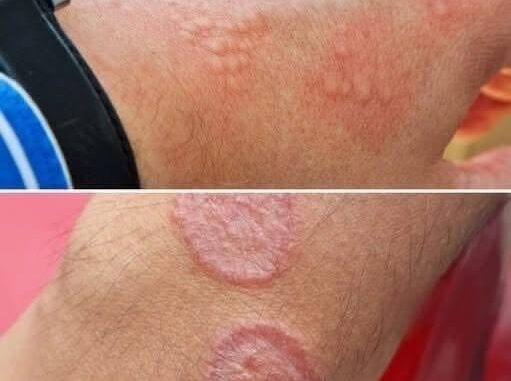
Skin problems can sometimes appear suddenly and cause discomfort, confusion, or concern. Redness, itching, dryness, or circular patches on the skin are common symptoms that many people experience at some point in life.
While some rashes are mild and temporary, others may signal irritation, allergic reactions, fungal infections, or chronic skin conditions that require proper attention.
The images often shared online showing red or circular patches are commonly associated with conditions such as eczema, contact dermatitis, or fungal infections like ringworm.
Understanding the differences between these conditions can help people respond appropriately and know when it may be time to seek professional medical advice.
Common Skin Conditions That Cause Redness and Itching
Eczema
Eczema, also known as atopic dermatitis, is a common inflammatory skin condition that causes:
- Dry skin
- Persistent itching
- Red or irritated patches
- Flaking or cracking skin
According to the American Academy of Dermatology, eczema may develop due to genetics, environmental triggers, stress, or skin sensitivity.
Symptoms can worsen after exposure to harsh soaps, detergents, fragrances, sweat, or temperature changes.
Contact Dermatitis
Another common cause of skin irritation is contact dermatitis.
This condition develops when the skin reacts to substances that trigger irritation or allergies. Common triggers include:
- Cleaning products
- Cosmetics
- Metals such as nickel
- Certain fabrics
- Plants or chemicals
The rash may appear suddenly and can cause burning, swelling, redness, or itching.
Removing the triggering substance often helps improve symptoms.
Ringworm and Fungal Infections
Despite its name, ringworm is not caused by a worm.
It is a fungal infection that commonly appears as:
- Circular red patches
- Raised or scaly edges
- Clearer skin in the center
- Mild itching or irritation
Fungal infections tend to spread more easily in warm and moist environments, including gyms, locker rooms, shared towels, or tight clothing.
According to the Centers for Disease Control and Prevention (CDC), fungal skin infections are very common and usually treatable with proper care.
What Can Trigger Skin Irritation?
Several factors may contribute to skin problems, including:
- Excess sweating
- Allergic reactions
- Sensitive skin
- Exposure to fungi or bacteria
- Poor ventilation in clothing
- Harsh skincare products
- Stress or environmental changes
Sometimes more than one factor is involved at the same time.
Why Scratching Can Make Things Worse
Doctors often warn against scratching irritated skin repeatedly.
Scratching can:
- Damage the skin barrier
- Increase inflammation
- Spread infection
- Cause bleeding or scarring
- Make healing take longer
Keeping nails short and using gentle skincare products may help reduce irritation.
Simple Ways to Protect Your Skin
Experts recommend several basic habits to support healthy skin:
- Keep affected areas clean and dry
- Use mild, fragrance-free cleansers
- Avoid sharing towels or clothing
- Wear breathable fabrics
- Moisturize dry skin regularly
- Avoid harsh creams unless recommended by a healthcare professional
These small habits may help prevent further irritation while supporting recovery.
When You Should See a Doctor
Although some mild rashes improve on their own, medical attention may be necessary if symptoms:
- Spread quickly
- Become painful
- Develop pus or crusting
- Cause fever or swelling
- Do not improve within several days
- Continue returning repeatedly
A healthcare professional can determine whether the condition is fungal, allergic, bacterial, or inflammatory and recommend the most appropriate treatment.
The Importance of Early Attention
Skin conditions are often easier to manage when addressed early.
Ignoring persistent symptoms may allow irritation or infection to worsen over time. Early treatment can help reduce discomfort, improve healing, and prevent complications.
The good news is that many common skin conditions respond well to proper care, healthy hygiene habits, and professional guidance when needed.
Final Thoughts
Changes in the skin are often the body’s way of signaling that something needs attention. Whether caused by irritation, allergies, eczema, or fungal infection, symptoms like redness, itching, and circular patches should not simply be ignored.
Understanding common skin conditions and practicing proper care can help protect both comfort and overall skin health.
When symptoms persist or worsen, seeking medical advice remains the safest and most effective approach.
Leave a Reply