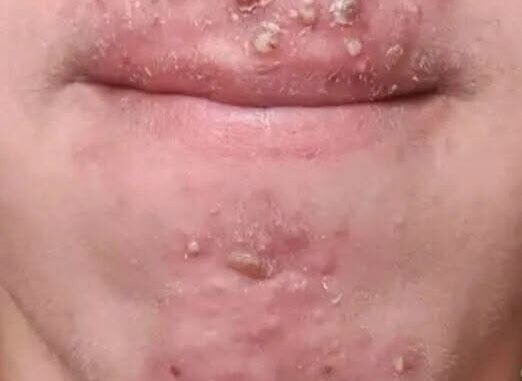
Skin irritation around the mouth can feel uncomfortable and sometimes alarming, especially when redness, peeling, bumps, or crusting suddenly appear. While many people immediately search online for answers, medical experts caution that several different conditions can look very similar at first glance.
Because of that, it is important not to jump to conclusions or rely entirely on internet photos for diagnosis.
According to dermatologists, rashes around the lips, chin, and nose area can result from irritation, allergic reactions, inflammation, bacterial infections, or other skin conditions that affect the skin barrier.
Common Symptoms People Notice
Many mouth-area rashes may include symptoms such as:
- Red or irritated skin
- Dryness and flaking
- Small bumps or pimples
- Burning or itching sensations
- Crusting or peeling patches
- Swelling or tenderness
The appearance can vary depending on the underlying cause, which is why professional evaluation is often recommended if symptoms worsen or fail to improve.
One Possible Cause: Impetigo
One condition doctors commonly mention when yellow or honey-colored crusting appears is impetigo.
According to the Mayo Clinic, impetigo is a contagious bacterial skin infection that often affects the area around the nose and mouth. The infection may begin as red sores or irritated patches that later burst and develop yellowish crusts.
The Centers for Disease Control and Prevention (CDC) explains that impetigo spreads easily through:
- Direct skin contact
- Scratching affected areas
- Shared towels or personal items
- Contact with contaminated surfaces
Because bacterial infections can spread, medical treatment may sometimes be necessary.
Another Possible Explanation: Perioral Dermatitis
Another condition dermatologists frequently see is perioral dermatitis.
The American Academy of Dermatology (AAD) describes perioral dermatitis as an inflammatory rash that commonly appears around the mouth and may resemble acne or irritation.
Symptoms can include:
- Small red bumps
- Dry or flaky skin
- Mild burning sensations
- Irritation around the lips and chin
Experts note that aggressive acne treatments or steroid creams can sometimes make the condition worse instead of improving it.
Other Possible Causes Doctors May Consider
Because many skin conditions appear similar, healthcare professionals may also evaluate for:
- Eczema
- Contact dermatitis
- Allergic reactions
- Saliva irritation
- Shaving irritation
- Toothpaste sensitivity
- Cold sores
- Irritated skin with secondary infection
The NHS notes that several skin conditions can mimic one another, making accurate diagnosis important before starting treatment.
Why Harsh Home Treatments Can Make Things Worse
One of the biggest mistakes experts warn against is aggressively scrubbing or treating irritated skin without knowing the cause.
Picking at crusts, squeezing bumps, or overusing strong products may worsen inflammation and damage the skin barrier further.
Dermatologists often recommend avoiding:
- Harsh exfoliants
- Alcohol-heavy skincare products
- Excessive acne creams
- Random steroid creams
- Frequent touching or scratching
When skin is already inflamed, gentler care is usually safer until proper medical advice is obtained.
Gentle Skin Care Steps That May Help
While waiting for evaluation, doctors often suggest simple skin-care habits such as:
- Washing gently with mild cleanser or lukewarm water
- Patting skin dry instead of rubbing
- Avoiding heavy makeup over irritated areas
- Not sharing towels, razors, or lip products
- Changing pillowcases regularly
- Washing hands frequently
Some people may also notice worsening irritation from:
- Lip licking
- Spicy foods
- Certain toothpastes
- Fragranced skincare products
Reducing these triggers may help minimize discomfort.
When To Seek Medical Attention
Healthcare professionals recommend getting medical advice if the rash:
- Spreads quickly
- Becomes painful or swollen
- Produces pus or fluid
- Feels warm to the touch
- Develops yellow crusting
- Causes fever or worsening symptoms
- Does not improve after several days
If the condition is bacterial, prescription treatment such as topical or oral antibiotics may be necessary.
According to the American Academy of Dermatology, medications like mupirocin or retapamulin are sometimes prescribed for bacterial skin infections such as impetigo.
Why Professional Diagnosis Matters
One of the challenges with skin conditions is that many different problems can appear nearly identical in photos.
A rash caused by irritation may look similar to eczema, dermatitis, bacterial infection, or even viral conditions during early stages.
That is why dermatologists emphasize that proper diagnosis matters before beginning treatment.
A healthcare provider can determine whether the issue is:
- Bacterial
- Viral
- Allergic
- Inflammatory
- Irritation-related
Correct diagnosis helps prevent complications such as spreading infection, prolonged inflammation, or unnecessary treatments.
Final Thoughts
Rashes around the mouth are common and often treatable, but they should not be ignored if symptoms worsen or continue spreading.
While online information can help people understand possible causes, only a qualified medical professional can accurately diagnose the condition and recommend the safest treatment.
The best approach is usually a combination of gentle skin care, good hygiene, and early medical evaluation when symptoms become severe or persistent.
Leave a Reply