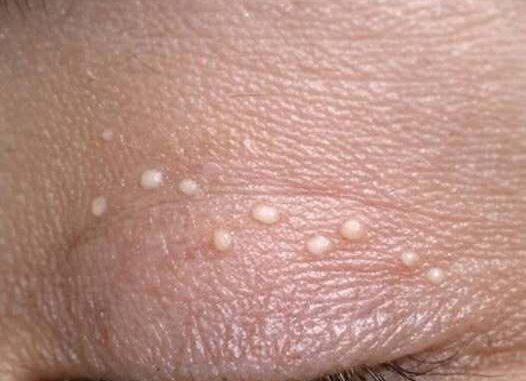
Noticing small changes around your eyes can be worrying, especially when you’re not sure what they mean. The skin on the eyelids is extremely delicate and sensitive, so even minor issues can feel more noticeable than they actually are. If you’re seeing tiny white bumps forming on or around your eyelids, you’re definitely not alone—this is a fairly common concern, and in many cases, it’s harmless.
One of the most likely explanations for these small white bumps is something called milia. Milia are tiny, white or yellowish cysts that form when keratin (a protein found in skin) becomes trapped beneath the surface. They often appear around the eyes, cheeks, or nose and can look like little pearls under the skin. Unlike pimples, milia are not caused by bacteria or clogged pores in the usual sense, so they don’t respond to typical acne treatments. They’re usually painless, not itchy, and don’t cause inflammation.
Another possibility is blocked oil glands, sometimes referred to as meibomian gland dysfunction. The eyelids contain tiny glands that produce oil to help keep your eyes lubricated. When these glands become clogged, small bumps can form along the eyelid margin. These might feel slightly tender or give a sensation of dryness in the eyes, but not always.
In some cases, what you’re seeing could be a stye (also called a hordeolum). A stye is typically a small, red, and sometimes painful bump caused by a bacterial infection in an oil gland or hair follicle. However, styes usually appear more inflamed and can feel sore to the touch, which helps distinguish them from milia or other non-inflammatory bumps.
There’s also a condition called chalazion, which can look similar to a stye at first but tends to be less painful and more firm. It develops when an oil gland becomes blocked and swollen over time. Chalazia can persist for weeks if not treated, but they’re generally not dangerous.
Sometimes, tiny white or skin-colored bumps around the eyes can be xanthelasma, which are cholesterol deposits under the skin. These are usually soft, flat, and slightly yellowish rather than bright white. While they’re not harmful on their own, they can occasionally be linked to cholesterol levels, so they’re worth getting checked when you’re able.
It’s important to avoid trying to squeeze, pop, or pick at these bumps—especially in such a sensitive area. Doing so can lead to irritation, infection, or even scarring. The skin around the eyes doesn’t heal the same way as other areas, so gentle care is essential.
In the meantime, there are a few simple steps you can take to keep the area clean and comfortable:
- Gently cleanse your face with a mild, fragrance-free cleanser.
- Avoid heavy or oily eye creams that might contribute to buildup.
- Use warm compresses (a clean, warm cloth placed over closed eyes for a few minutes) to help open up glands and promote natural drainage.
- Keep your hands away from your eyes as much as possible to reduce irritation.
Even though many of these causes are harmless, it’s still a good idea to have a healthcare professional take a look when you’re able—especially if the bumps change in size, become painful, spread, or don’t go away over time. A doctor or dermatologist can give a clear diagnosis and recommend the safest treatment, which might include simple removal, prescription creams, or other targeted care.
While waiting for your appointment, try not to stress too much. In most cases, these kinds of bumps are more of a cosmetic concern than a serious health issue. Paying attention to hygiene and avoiding irritation can go a long way in keeping your skin healthy.
If you’d like, you can describe the bumps in more detail—such as their size, exact location, or whether they hurt—and I can help narrow down the possibilities further.
Leave a Reply