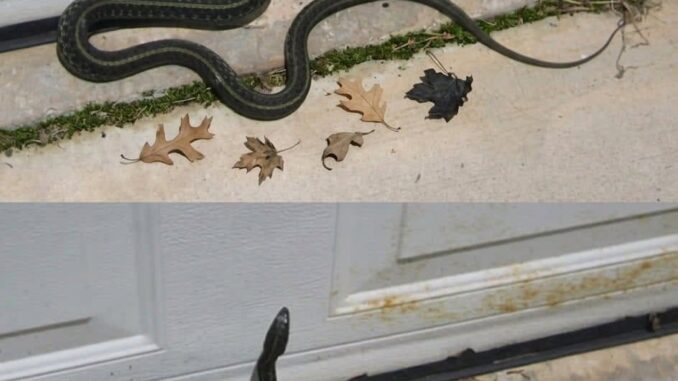
Discovering a snake inside your home can be an unexpected and unsettling experience. For many people, the sight of a snake indoors immediately triggers concern, confusion, or even fear. After all, homes are places where we expect safety and comfort, not encounters with wildlife.
However, while such an event may feel unusual, the presence of a snake is often less mysterious than it seems. In most cases, a snake enters a house for practical reasons related to shelter, food, or environmental conditions rather than any symbolic message.
That said, throughout history and across many cultures, snakes have carried powerful meanings and interpretations. Some view their appearance as a symbol of transformation, awareness, or change, while others see it as a reminder to pay closer attention to their surroundings. Whether you approach the situation from a practical perspective or a symbolic one, understanding why snakes enter homes can help reduce fear and encourage a thoughtful response.
Why Do Snakes Enter Homes?
Snakes are naturally drawn to environments that provide the basic necessities for survival. Like all animals, they seek shelter, protection from predators, access to food, and favorable temperatures.
Your home may unintentionally offer all of these advantages.
Common entry points include:
- Small gaps beneath doors
- Cracks in foundations or walls
- Open vents and utility openings
- Garages and storage areas
- Unsealed windows or crawl spaces
Once inside, snakes often look for dark, quiet places where they can remain hidden. Basements, attics, closets, storage rooms, and areas behind furniture are among their preferred hiding spots.
Weather conditions can also play a significant role. During periods of heavy rain, flooding, extreme heat, or cold temperatures, snakes may seek refuge indoors when their natural habitats become unsuitable.
In these situations, the snake is not intentionally seeking human contact. Instead, it is simply trying to survive.
The Role of Food Sources
Another common reason snakes enter residential properties is the presence of food.
Many snakes feed on rodents, insects, frogs, and other small animals. If a home or surrounding property has a rodent problem, it can become an attractive hunting ground.
Cluttered areas, overgrown vegetation, wood piles, and unsealed garbage can indirectly encourage both rodents and the predators that feed on them.
This is why wildlife experts often recommend pest control and proper property maintenance as effective methods of reducing the likelihood of snake encounters.
Cultural and Symbolic Interpretations
While science provides practical explanations, many cultures have developed symbolic meanings associated with snakes over centuries.
In some traditions, snakes represent:
- Personal growth and transformation
- Renewal and fresh beginnings
- Wisdom and awareness
- Protection and guardianship
- The need to pay attention to overlooked issues
Because snakes shed their skin as they grow, they are often associated with change and new stages of life. For this reason, some people interpret a snake encounter as a reminder to embrace transformation or let go of old habits.
Others believe that seeing a snake encourages greater awareness of one’s surroundings and circumstances.
It’s important to remember that these interpretations are personal beliefs rather than proven facts. The meaning people attach to such experiences often depends on their cultural background, spiritual views, and individual perspective.
Staying Calm During an Encounter
Regardless of personal beliefs, the most important response is a calm and practical one.
If you discover a snake inside your home:
- Keep a safe distance.
- Avoid attempting to handle or capture it.
- Keep children and pets away from the area.
- Monitor the snake’s location if possible.
- Contact local wildlife professionals or animal control services.
Most snakes prefer to avoid confrontation and will not approach humans unless they feel threatened. Remaining calm helps ensure the safety of both the people in the home and the animal itself.
Preventing Future Visits
After a snake has been safely removed, taking preventative measures can help reduce the chances of future encounters.
Consider:
- Sealing cracks and openings around the home
- Installing door sweeps
- Repairing damaged screens
- Removing unnecessary clutter
- Keeping grass trimmed
- Managing rodent populations
- Storing firewood away from the house
These simple steps can make your property less attractive to wildlife while improving overall home maintenance.
A Reminder to Stay Aware
Whether you view the appearance of a snake as a simple wildlife encounter or as a symbolic moment of reflection, it often serves as a reminder to pay attention to your environment.
Sometimes the lesson is practical—perhaps there are maintenance issues that need addressing. Other times, people use unexpected experiences as opportunities to reflect on personal growth and change.
Either way, responding thoughtfully rather than reactively is usually the best approach.
Final Thoughts
Finding a snake inside your home can be surprising, but it is rarely a cause for panic. In most situations, the animal is simply seeking shelter, warmth, or food. Understanding the reasons behind its presence can help replace fear with knowledge and confidence.
By taking appropriate safety measures, addressing potential entry points, and maintaining your property, you can reduce the likelihood of future encounters while ensuring a safe outcome for everyone involved.
Sometimes an unexpected visitor reminds us not only to care for our homes but also to remain aware of the world around us. Knowledge, preparation, and calm action are often the most valuable responses when nature unexpectedly crosses our doorstep.
Leave a Reply