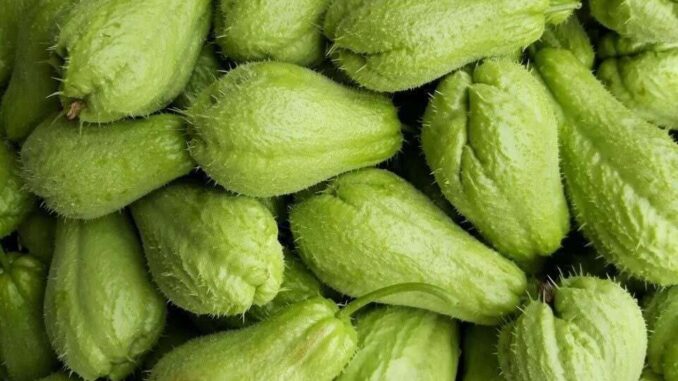
In recent years, chayote has gained attention as a versatile and nutrient-rich vegetable used in many traditional cuisines around the world. Known scientifically as Sechium edule, this green, pear-shaped vegetable is often included in soups, salads, and cooked dishes due to its mild flavor and refreshing texture.
While some online claims exaggerate its effects on health, medical and nutritional experts emphasize a more balanced perspective: chayote can be a healthy addition to a varied diet, but like any food, it should be consumed as part of an overall nutritional plan rather than viewed as a “miracle” ingredient.
This article explores what health professionals generally say about chayote, its nutritional profile, possible benefits, and important considerations for daily consumption.
What Is Chayote?
Chayote is a member of the gourd family, which also includes cucumbers, pumpkins, and squash. It is commonly grown in warm climates and is widely used in Latin American, Asian, and Caribbean cooking.
The vegetable has a mild taste, similar to zucchini or cucumber, and can be eaten raw or cooked. Its versatility makes it popular in both traditional and modern recipes.
Chayote is also valued for being low in calories and rich in water content, making it a refreshing option for those looking to maintain a balanced diet.
Nutritional Profile of Chayote
According to nutrition experts, chayote contains a variety of beneficial nutrients while remaining low in calories. A typical serving provides:
- Vitamin C
- Folate (Vitamin B9)
- Potassium
- Fiber
- Small amounts of magnesium and manganese
It is also composed mostly of water, which contributes to hydration.
Because of this combination, chayote is often considered a light, nutrient-dense vegetable that can complement many dietary patterns.
Possible Health Benefits of Eating Chayote
1. Supports Digestive Health
One of the most well-known benefits of chayote is its fiber content. Dietary fiber plays an important role in supporting normal digestion and maintaining regular bowel function.
Including fiber-rich foods like chayote in meals may help promote a healthier digestive system when combined with adequate hydration and a balanced diet.
2. May Support Heart Health
Chayote contains potassium, a mineral that contributes to normal heart function and fluid balance in the body. Potassium is often highlighted in nutritional guidelines because many people do not consume enough of it in their daily diets.
When included as part of a diet rich in fruits and vegetables, chayote can contribute to overall cardiovascular wellness.
3. Low in Calories and Naturally Hydrating
Because chayote is mostly water and very low in calories, it is often included in weight-conscious meal plans. It can help add volume to meals without significantly increasing calorie intake.
However, health professionals emphasize that weight management depends on overall dietary habits rather than a single food.
4. Contains Antioxidants
Chayote contains vitamin C and other plant compounds that act as antioxidants. These compounds help the body manage oxidative stress, which is a natural process influenced by lifestyle, environment, and aging.
While antioxidants are important for overall health, they work best when consumed through a variety of fruits and vegetables rather than relying on one source alone.
5. May Support Hydration
Due to its high water content, chayote can contribute to daily hydration needs. Proper hydration is essential for digestion, circulation, and general well-being.
Foods with high water content, like chayote, cucumbers, and melons, can complement fluid intake from drinking water.
What Doctors and Nutrition Experts Emphasize
Health professionals generally agree on the following points:
- No single food can “transform” health on its own
- Chayote is beneficial as part of a balanced diet
- Variety in fruits and vegetables is essential for optimal nutrition
- Cooking methods matter (steaming, boiling, or light sautéing are often preferred over heavy frying)
They also caution against exaggerated online claims that suggest dramatic or immediate health effects from consuming any single vegetable.
How to Include Chayote in Your Diet
Chayote is easy to prepare and can be added to many meals. Some common ways to use it include:
- Adding it to vegetable soups and stews
- Slicing it into salads for a crisp texture
- Stir-frying it with other vegetables
- Boiling or steaming it as a side dish
- Blending it into light soups or purees
Because of its mild flavor, it absorbs seasonings well and pairs easily with herbs, spices, and proteins.
Are There Any Side Effects or Concerns?
For most people, chayote is safe to eat as part of a regular diet. However, a few considerations should be kept in mind:
- Digestive sensitivity: Eating large amounts may cause mild digestive discomfort in some individuals due to its fiber content.
- Allergic reactions: Rare, but possible with any food.
- Medical conditions: People with specific dietary restrictions should consult a healthcare provider if unsure.
As always, moderation and balance are key.
Balanced Perspective: What Really Matters
While chayote is a nutritious vegetable, doctors emphasize that long-term health depends on overall lifestyle habits, including:
- Eating a variety of vegetables and fruits
- Staying physically active
- Getting enough sleep
- Managing stress
- Drinking sufficient water
Chayote can certainly be part of this healthy pattern, but it should not be viewed as a cure or solution on its own.
Final Thoughts
Chayote is a simple, affordable, and nutrient-rich vegetable that can support a healthy diet when used regularly and responsibly. Its fiber, water content, vitamins, and minerals make it a valuable addition to meals, especially for those looking to increase vegetable intake.
However, health experts consistently remind us that no single food determines overall well-being. Instead, it is the combination of balanced nutrition, healthy habits, and consistency that makes the greatest difference.
By incorporating chayote along with a wide range of other vegetables and fruits, you can enjoy its benefits as part of a well-rounded and sustainable approach to eating.
Leave a Reply