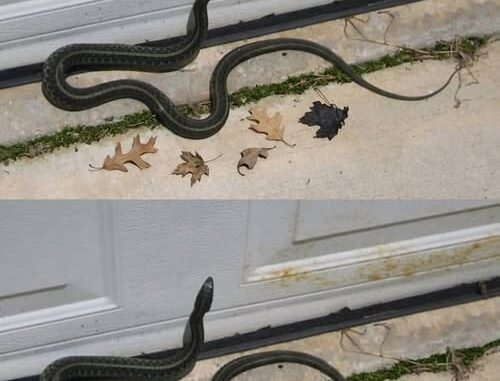
Discovering a snake inside your home can be a surprising experience. For many people, the sight of a snake where they least expect it can trigger feelings of concern, confusion, or curiosity. Homes are typically viewed as safe and controlled environments, so encountering wildlife indoors often feels unusual.
However, while finding a snake inside a house may seem alarming, it is usually the result of environmental factors rather than anything mysterious. In many cases, snakes enter homes while searching for shelter, warmth, food sources, or protection from weather conditions.
Understanding why snakes occasionally appear indoors can help homeowners respond calmly, safely, and effectively. Rather than assuming the encounter carries special meaning or immediate danger, it is often more useful to examine practical explanations and consider steps that may reduce the likelihood of future visits.
This article explores common reasons snakes enter homes, factors that attract them, how to respond safely if you encounter one, and preventative measures that can help keep your living space secure.
Why Snakes Sometimes Enter Homes
Snakes generally prefer natural outdoor habitats.
Most species spend their lives in environments that provide:
- Food
- Water
- Shelter
- Protection from predators
However, homes can occasionally provide some of these same resources.
When conditions outside become unfavorable, snakes may explore nearby structures.
Common reasons include:
Seeking Shelter
Snakes often look for protected areas where they can avoid extreme temperatures and weather conditions.
Searching for Food
If a home or surrounding property supports rodents, insects, or other prey animals, snakes may follow those food sources.
Looking for Warmth
During cooler periods, buildings may provide attractive sources of heat.
Escaping Harsh Weather
Heavy rain, flooding, drought, or extreme temperatures can sometimes push wildlife into unexpected locations.
In most situations, a snake indoors is simply responding to environmental conditions.
Common Entry Points
Many homeowners are surprised by how small an opening a snake can use.
Potential entry points include:
- Gaps beneath doors
- Foundation cracks
- Utility openings
- Damaged vents
- Crawl spaces
- Garage door gaps
- Unsealed pipe openings
Even relatively small openings can provide access.
Regular home maintenance plays an important role in reducing these opportunities.
Are Snakes Common in Residential Areas?
Many people assume snakes only live in remote forests or rural environments.
In reality, numerous species adapt well to areas near human activity.
Snakes can sometimes be found around:
- Gardens
- Parks
- Fields
- Suburban neighborhoods
- Rural properties
- Water sources
The likelihood of encounters often depends on local geography, climate, and wildlife populations.
Because residential developments frequently overlap with natural habitats, occasional encounters are not uncommon.
What Should You Do If You Find a Snake Indoors?
The most important step is remaining calm.
Sudden movements and panic can increase risk for both people and wildlife.
If you discover a snake inside your home:
Keep Your Distance
Avoid approaching, handling, or attempting to capture the animal.
Monitor Its Location
If possible, observe from a safe distance and note where it moves.
Keep Children and Pets Away
Limit access to the area until the situation is resolved.
Contact Local Wildlife Professionals
Trained personnel can identify and safely remove wildlife when necessary.
Avoid Risky Actions
Do not attempt removal if you are unsure of the species or lack appropriate experience.
Safety should always remain the priority.
Understanding Fear of Snakes
Fear of snakes is common.
For many people, it is one of the most widely reported animal-related fears.
Several factors contribute to this reaction:
- Unpredictable movement
- Lack of familiarity
- Cultural influences
- Media portrayals
- Evolutionary caution around wildlife
While caution is reasonable, fear sometimes leads people to overestimate risk.
Learning more about local wildlife can often reduce anxiety and promote safer decision-making.
The Role Snakes Play in Nature
Although many people prefer not to encounter snakes indoors, these animals serve important ecological functions.
They help maintain balance by controlling populations of:
- Rodents
- Small mammals
- Insects
- Other prey species
Without predators such as snakes, certain animal populations could increase significantly.
Because of this, snakes contribute to healthy ecosystems and agricultural environments.
Understanding their ecological role can provide useful perspective when considering human-wildlife interactions.
Why Rodents Often Attract Snakes
One of the most common reasons snakes appear near homes is the presence of rodents.
Food availability strongly influences animal behavior.
If mice or rats are present, predators may eventually investigate the area.
Reducing rodent activity often reduces the likelihood of attracting snakes.
Helpful measures include:
- Proper food storage
- Sealed trash containers
- Removing clutter
- Addressing structural gaps
- Maintaining clean storage areas
Managing prey populations can be one of the most effective prevention strategies.
Seasonal Factors
Snake activity often changes throughout the year.
Certain seasons may increase the likelihood of encounters.
Spring
As temperatures rise, snakes become more active after colder months.
Summer
Warm weather supports increased movement and feeding activity.
Autumn
Some species seek protected areas as temperatures begin dropping.
Extreme Weather Events
Flooding, drought, and storms can temporarily displace wildlife.
Understanding seasonal patterns can help homeowners anticipate periods when encounters may become more common.
Myths and Misconceptions
Snake encounters frequently generate myths and speculation.
Let’s examine some common misconceptions.
Myth 1: A Snake in the House Always Indicates a Serious Infestation
Not necessarily.
A single snake may have entered accidentally without indicating an ongoing problem.
Myth 2: All Snakes Are Dangerous
False.
Many species pose little threat to humans.
However, proper identification should always be left to qualified experts.
Myth 3: Snakes Intentionally Seek Out Humans
False.
Most snakes prefer avoiding people whenever possible.
Human encounters are generally accidental rather than intentional.
Myth 4: Killing One Snake Prevents Future Visits
False.
Long-term prevention depends on addressing environmental conditions and entry points.
Practical Prevention Strategies
Preventing wildlife access is often easier than dealing with encounters after they occur.
Several proactive measures can help.
Seal Openings
Inspect your home’s exterior regularly.
Pay attention to:
- Cracks
- Vents
- Door gaps
- Utility penetrations
Repairing openings reduces potential access routes.
Maintain Landscaping
Overgrown vegetation can provide shelter for wildlife.
Regular trimming helps reduce hiding places near structures.
Remove Debris
Wood piles, clutter, and stored materials may create attractive shelter areas.
Keeping outdoor spaces organized can discourage wildlife activity.
Manage Food Sources
Reducing rodent and insect populations limits available prey.
This may indirectly reduce interest from predators.
Store Firewood Properly
Keep stacked firewood elevated and away from exterior walls whenever possible.
This reduces opportunities for shelter.
The Difference Between Curiosity and Concern
When encountering wildlife, it is helpful to balance curiosity with caution.
Not every snake sighting indicates a major issue.
At the same time, every wildlife encounter deserves respect.
The most effective approach combines:
- Awareness
- Calm decision-making
- Safe distance
- Professional assistance when needed
This balanced response protects both people and animals.
Wildlife and Modern Living
As cities and suburbs continue expanding, interactions between humans and wildlife naturally increase.
Homes are often built near:
- Forests
- Wetlands
- Grasslands
- Agricultural areas
As a result, occasional encounters with animals become part of modern life.
Understanding these interactions helps reduce unnecessary fear while encouraging responsible responses.
Teaching Children About Wildlife
Parents often wonder how to discuss wildlife encounters with children.
Education is usually the best approach.
Helpful lessons include:
- Respecting animals from a distance
- Avoiding attempts to touch wildlife
- Informing adults about sightings
- Understanding that animals are part of local ecosystems
Knowledge helps replace fear with informed caution.
When Professional Help May Be Appropriate
While many situations involve harmless encounters, professional assistance may be helpful if:
- The snake cannot be located
- Multiple sightings occur repeatedly
- Identification is uncertain
- Access points require repair
- Wildlife removal is needed
Local wildlife agencies and trained professionals can provide guidance specific to your region.
Why Encounters Feel So Significant
Many people remember snake encounters for years afterward.
Part of the reason is simple:
Unexpected events tend to leave strong impressions.
Finding wildlife inside a home interrupts routine and creates a memorable experience.
The emotional response often comes less from actual danger and more from surprise.
Understanding this can help homeowners respond more calmly and rationally.
Frequently Asked Questions
Why would a snake come into a house?
Most commonly, snakes enter while seeking shelter, food, warmth, or protection from weather conditions.
Should I try to remove a snake myself?
If you are uncertain about the species or lack experience, it is generally safer to contact trained professionals.
Do snakes return to the same house repeatedly?
If attractive conditions remain—such as food sources or shelter—wildlife may revisit an area.
How can I reduce the chances of another encounter?
Sealing entry points, reducing clutter, managing rodents, and maintaining landscaping are among the most effective prevention strategies.
Final Thoughts
Discovering a snake inside your home can be an unexpected experience, but it is often the result of practical environmental factors rather than anything mysterious or unusual. In most cases, snakes enter homes while searching for shelter, warmth, food, or protection from changing weather conditions.
Understanding why wildlife occasionally appears indoors allows homeowners to respond calmly and safely. Rather than reacting with panic, focusing on prevention, home maintenance, and responsible wildlife management can help reduce future encounters.
Snakes remain an important part of healthy ecosystems, playing valuable roles in controlling pest populations and maintaining ecological balance. While most people understandably prefer not to encounter them indoors, learning about their behavior encourages informed decision-making and greater confidence when unexpected situations arise.
By combining awareness, preparation, and practical prevention measures, homeowners can create a safer environment while respecting the natural world that exists just beyond their doors.
Leave a Reply