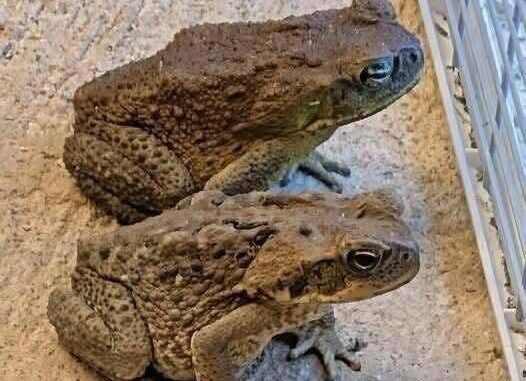
Spotting a toad in your yard can be an unexpected but interesting experience. While some people barely notice them, others become curious about why these small amphibians seem to settle in certain areas and not others. In reality, when a toad chooses to spend time near your home, it is usually responding to environmental conditions that make the location comfortable and supportive for its survival.
Unlike many animals that actively seek out human activity, toads are generally quiet, cautious creatures. They are not attracted to homes themselves, but rather to the conditions that often exist around gardens, landscaping, and outdoor living spaces. When the right combination of shelter, moisture, and food is available, a yard can become an ideal habitat.
Understanding why toads appear around homes can provide useful insight into the health of your outdoor environment and the role these animals play in local ecosystems.
A Yard That Offers Shelter
One of the most important factors that attracts toads is shelter. During the day, toads prefer cool, protected areas where they can avoid direct sunlight and conserve moisture. Unlike reptiles, amphibians have sensitive skin that can dry out quickly in hot conditions.
As a result, they often seek refuge beneath:
- Flower pots
- Garden decorations
- Dense vegetation
- Mulch beds
- Shrubs and bushes
- Wood piles
- Rocks and landscaping features
These locations provide protection from both predators and harsh weather. A yard with plenty of natural hiding places is far more appealing to a toad than an open space with little cover.
When homeowners create gardens filled with plants, shaded areas, and natural ground cover, they often unintentionally create perfect conditions for amphibians to thrive.
Moisture Plays an Important Role
Water and moisture are essential for toads. Although adult toads spend much of their lives on land, they still depend on damp environments to remain healthy.
Yards that retain moisture tend to attract more amphibian activity. Features that may encourage toads include:
- Irrigated gardens
- Damp soil
- Shaded flower beds
- Bird baths
- Small ponds
- Water features
- Areas that remain cool after rainfall
After storms or periods of wet weather, many people notice increased toad activity. This is because the moist conditions allow them to move around more comfortably while reducing the risk of dehydration.
Even a simple garden that receives regular watering can become an attractive environment for local toad populations.
A Reliable Source of Food
Perhaps the biggest reason toads remain in a particular location is food availability.
Toads are opportunistic feeders and consume a wide variety of insects and other small invertebrates. They spend much of their active time hunting for prey and can eat surprisingly large numbers of pests over the course of a season.
Common food sources include:
- Beetles
- Ants
- Mosquitoes
- Flies
- Moths
- Small caterpillars
- Slugs
- Other garden insects
Because of their diet, many gardeners consider toads beneficial visitors. They help reduce populations of insects that may otherwise become problematic around homes and outdoor spaces.
Unlike chemical pest-control methods, toads contribute naturally to maintaining balance within the environment.
Natural Pest Management
One of the most valuable contributions toads make is their role in controlling insect populations.
A healthy yard often contains a wide variety of insects. While some are beneficial, others can become nuisances. Toads help keep many of these populations in check simply by feeding according to their natural instincts.
For homeowners seeking environmentally friendly approaches to gardening, encouraging beneficial wildlife can be an important strategy. Toads work continuously without requiring maintenance, equipment, or chemical applications.
Their presence may help reduce the need for certain pest-control products while supporting a more balanced outdoor ecosystem.
Indicators of Environmental Health
The appearance of toads can sometimes be viewed as a positive environmental sign.
Amphibians are often sensitive to pollution, habitat disruption, and poor environmental conditions. Because of this sensitivity, they are sometimes considered indicators of ecosystem health.
While the presence of a single toad does not guarantee perfect environmental conditions, a yard that regularly supports amphibians often provides:
- Suitable habitat
- Available food sources
- Adequate moisture
- Reasonable environmental stability
In many cases, wildlife chooses locations that offer the best chances for survival. When toads remain in a particular area, it often suggests that the habitat meets many of their basic needs.
Harmless Neighbors
Some people feel uncertain when they encounter a toad for the first time, particularly if they are unfamiliar with amphibians.
Fortunately, toads are generally harmless and prefer avoiding human contact whenever possible. They spend much of their time hidden from view and typically become active during the evening, nighttime, or cooler parts of the day.
Rather than seeking interaction, they focus primarily on feeding, resting, and avoiding predators.
Most toads will simply move away if disturbed and pose little concern to homeowners.
Why Certain Yards Attract More Toads
Not every yard provides the same conditions. Some properties naturally attract more wildlife due to their design and landscaping choices.
Features that may encourage toad activity include:
- Diverse plant life
- Native vegetation
- Shaded areas
- Ground cover
- Consistent moisture
- Minimal pesticide use
- Access to water sources
By contrast, heavily paved or highly maintained landscapes with limited vegetation may offer fewer resources for amphibians.
As a result, wildlife activity often varies significantly between neighboring properties.
The Benefits of Biodiversity
Toads are only one part of a larger ecological picture.
A healthy outdoor environment often supports many different forms of life, including birds, pollinators, beneficial insects, and amphibians. Each species plays a role in maintaining ecological balance.
Toads contribute by helping manage insect populations and serving as part of local food webs. Their presence reflects the interconnected relationships that exist within natural systems.
When homeowners create wildlife-friendly environments, they often encourage greater biodiversity and a healthier landscape overall.
Coexisting With Local Wildlife
Living alongside wildlife does not require major changes. In many cases, simply allowing natural habitats to exist within a yard can benefit both people and animals.
Maintaining gardens, preserving shaded areas, and reducing unnecessary chemical use may help support beneficial species while creating a more vibrant outdoor environment.
Toads generally require very little attention. As long as suitable conditions remain available, they often continue quietly carrying out their role within the ecosystem.
Final Thoughts
When a toad settles in your yard or near your home, it is usually responding to practical environmental factors rather than anything unusual. Moist soil, protective shelter, abundant insects, and a safe habitat create the conditions these amphibians need to thrive.
Far from being unwelcome visitors, toads can provide valuable benefits by naturally reducing insect populations and contributing to a balanced ecosystem. Their presence often reflects an outdoor space that offers food, shelter, and environmental stability for local wildlife.
In many ways, a toad’s decision to stay is a small reminder that healthy habitats can exist even in everyday residential spaces. What may seem like a simple backyard visitor is actually an important participant in the natural world, quietly helping maintain balance while asking for very little in return.
Leave a Reply