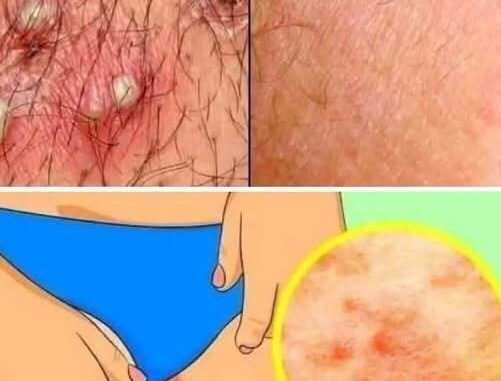
The skin in the groin area is exposed to a variety of everyday factors that can contribute to irritation and discomfort.
Heat, moisture, friction from clothing, exercise, and hair removal practices can all affect this sensitive area, making occasional skin concerns relatively common.
One frequent cause of small, red, or itchy bumps is an ingrown hair.
What Are Ingrown Hairs?
Ingrown hairs occur when a hair curls back into the skin instead of growing outward normally.
This can happen after shaving, waxing, or other forms of hair removal, especially when hair is cut very close to the skin’s surface.
Ingrown hairs may appear as small, raised bumps that can be:
- Red or inflamed
- Itchy or tender
- Filled with fluid or pus in some cases
- Sensitive to touch
Although they can be uncomfortable, ingrown hairs often improve on their own with proper care.
Why the Groin Area Is More Prone to Irritation
Several factors make the groin especially susceptible to skin issues.
These include:
- Frequent sweating
- Limited airflow
- Tight clothing or waistbands
- Friction during physical activity
- Sensitive skin
- Regular shaving or waxing
When these factors combine, they can increase the likelihood of irritation and blocked hair follicles.
Tips for Relief and Prevention
Simple at-home measures can often help reduce discomfort and support healing.
Consider the following steps:
- Apply a warm compress to the area for several minutes at a time
- Gently exfoliate to help remove dead skin cells
- Wear loose, breathable clothing
- Avoid shaving or waxing until the area has healed
- Keep the skin clean and dry
Experts generally recommend avoiding the urge to squeeze, pick, or scratch affected areas, as this can increase irritation and raise the risk of infection.
When to Seek Medical Advice
While many cases improve within a few days, it may be helpful to consult a healthcare professional if you notice:
- Increasing pain or swelling
- Spreading redness
- Fever or other signs of infection
- Persistent or recurring bumps
- Symptoms that do not improve with home care
Because other skin conditions can resemble ingrown hairs, a proper evaluation may be necessary if symptoms continue.
Taking care of sensitive skin areas with gentle products, proper hygiene, and mindful hair removal practices can help reduce future irritation and support overall skin health.
Leave a Reply