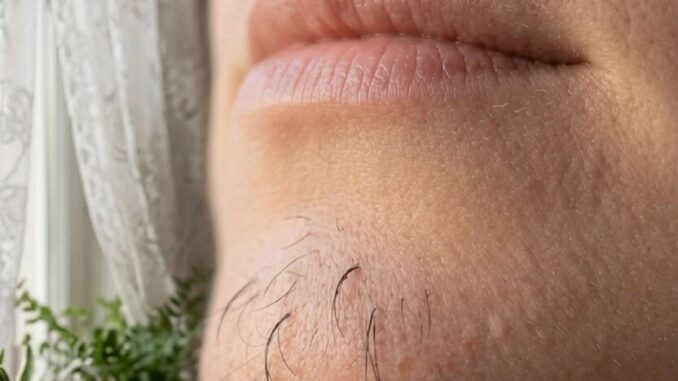
You may have seen viral posts claiming that a “woman’s chin hair is a sign of…” something specific, often followed by dramatic or misleading conclusions. These kinds of statements are common online, but they often oversimplify or exaggerate what is actually a normal biological occurrence.
In reality, chin hair in women is usually not a sign of anything mysterious or alarming. Instead, it is typically linked to natural hormone activity, genetics, and age-related changes.
Chin Hair in Women Is More Common Than People Think
Facial hair, including chin hair, is a normal part of human biology. While women generally grow finer and lighter facial hair compared to men, it is still completely natural for a few darker or thicker hairs to appear over time.
Many women notice chin hairs during different stages of life, especially during:
- Puberty
- Pregnancy
- Menopause
- Periods of hormonal fluctuation
These changes do not automatically indicate a health problem.
The Role of Hormones
One of the main reasons chin hair appears or becomes more noticeable is hormone balance—particularly androgens, which are hormones present in both men and women.
Even small shifts in hormone levels can affect hair growth patterns. For example:
- Increased androgen sensitivity may lead to thicker facial hair
- Hormonal changes during menopause can make existing hairs more visible
- Natural fluctuations throughout the menstrual cycle may also play a role
However, this does not mean that chin hair alone signals a serious condition.
Genetics Also Play a Big Role
Genetics strongly influence how much facial hair a person may develop. If close female relatives—such as a mother or grandmother—have similar hair patterns, it is more likely that others in the family may experience the same thing.
In many cases, chin hair is simply inherited and has nothing to do with health concerns.
When It Might Be Worth Paying Attention
While occasional chin hairs are normal, there are certain situations where noticeable changes in facial hair growth may be linked to underlying medical conditions.
A healthcare professional may evaluate hormonal conditions such as:
- Polycystic Ovary Syndrome (PCOS)
- Thyroid imbalances
- Other endocrine system changes
Signs that may warrant a medical check include sudden, rapid growth of coarse facial hair combined with other symptoms such as irregular periods, acne, or unexplained weight changes.
Even in these cases, chin hair alone is not a diagnosis—it is just one possible symptom among many.
Age-Related Changes Are Very Common
As women age, especially during perimenopause and menopause, hormone levels naturally shift. This can lead to changes in hair distribution across the body, including the face.
Many women notice:
- A few more visible chin hairs
- Slight changes in hair texture
- Slower or faster hair growth patterns
These changes are part of the natural aging process and are extremely common.
Why Viral Posts Can Be Misleading
Social media often turns normal body changes into sensational claims. Headlines like “A woman’s chin hair is a sign of…” are designed to attract attention rather than provide accurate information.
In reality, most cases of chin hair are harmless and influenced by everyday biological factors rather than dramatic hidden meanings.
It is always important to be cautious about health-related claims found online, especially when they are not supported by medical professionals or reliable sources.
Managing Chin Hair: Personal Choice
For those who prefer to remove chin hair, there are several common methods, including:
- Tweezing
- Waxing
- Threading
- Dermaplaning
- Laser hair removal
Each method has its pros and cons, and the choice depends entirely on personal preference, skin sensitivity, and long-term goals.
However, there is no medical requirement to remove it—it is simply a cosmetic choice.
Final Thoughts
Chin hair in women is a normal and common occurrence influenced mainly by hormones, genetics, and natural aging. While sudden or excessive growth may sometimes warrant medical attention, isolated hairs are almost always harmless.
Rather than relying on viral claims or misleading headlines, it is best to understand the biological factors behind these changes.
In most cases, chin hair is not a “sign of” anything alarming—it is simply part of how the human body naturally behaves over time.
Leave a Reply