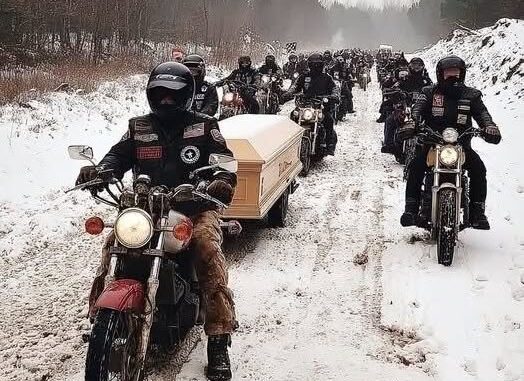
Honoring the service and sacrifice of military members is a deeply respected tradition, especially when it involves bringing fallen heroes back to their hometowns for final rites. This process often carries profound emotional weight for families and communities alike. Occasionally, unexpected challenges such as severe weather disrupt these solemn journeys, prompting acts of solidarity and compassion from people who may have never met the service member but share a commitment to support those who have served.
Understanding the Importance of the Final Journey
For families of service members who have passed away, the return of their loved one’s remains is a pivotal moment of closure and remembrance. It is an opportunity for relatives, friends, and community members to gather, pay respects, and acknowledge the sacrifice made. The transportation of fallen service members is managed with great care by military officials, but external factors such as weather can sometimes cause delays.
When adverse conditions arise, these delays can extend the family’s period of waiting and uncertainty, intensifying the emotional toll. During such times, the support of others—whether through words of encouragement or community action—can be a vital source of comfort.
The Impact of Severe Weather on Military Transport
Winter storms and other severe weather phenomena present significant obstacles for travel across large regions. Snow, ice, and reduced visibility can make roads perilous, forcing military and transportation authorities to postpone or reroute the movement of personnel and remains to ensure safety.
For families awaiting the return of a loved one, these delays are understandably difficult. However, safety protocols are in place to protect all involved and to uphold the dignity of the service member during transit.
Grassroots Efforts to Honor Fallen Service Members
In response to such delays, groups of volunteers often step forward to provide support. These groups frequently include veterans, military family members, and community organizations dedicated to honoring those who have served. Their involvement can take many forms—from organizing ceremonial escorts to providing logistical assistance along the route.
One common example is the formation of motorcycle escorts, where riders travel alongside the transport vehicle carrying the fallen service member. These escorts symbolize respect, solidarity, and commitment to ensuring the service member’s final journey is conducted with honor.
Coordinated Planning and Safety Considerations
Organizing a ceremonial escort in challenging weather conditions requires meticulous planning. Volunteers coordinate closely with military officials and local authorities to secure necessary permissions and ensure compliance with regulations.
Safety remains the highest priority. Escorts are planned with contingencies for changing weather, alternate routes, and support vehicles equipped with supplies such as fuel, medical kits, and communication devices. Riders and drivers maintain disciplined spacing and adjust speeds to accommodate road conditions, emphasizing collective safety over haste.
Community Engagement Along the Route
As the escort progresses, towns and communities along the way often show support in various meaningful ways. Residents may gather along roadways, displaying flags or standing respectfully as the procession passes. Local businesses sometimes offer refreshments or shelter during rest stops, and law enforcement agencies may assist with traffic control to facilitate smooth passage.
These gestures, though sometimes small, contribute significantly to the atmosphere of respect and remembrance. They also reinforce the connection between the service member’s sacrifice and the broader community.
Shared Values Among Volunteers and Supporters
The individuals who participate in these efforts come from diverse backgrounds but are united by a shared respect for military service and a desire to support grieving families. Veterans often feel a strong kinship with fallen comrades, while others may be motivated by personal connections or a sense of civic duty.
Their contributions demonstrate how collective action rooted in empathy can provide tangible support and foster a sense of community, even among strangers.
The Arrival and Final Honors
Upon reaching the hometown, the escort typically receives a solemn and respectful welcome. Community members gather to pay their respects, creating a visible expression of gratitude and remembrance. The procession’s conclusion often involves an honor line formed by volunteers and military personnel, marking a poignant moment of tribute.
These ceremonies extend beyond the logistics of transportation, serving as a public acknowledgment of the individual’s service and the family’s loss.
Lessons in Compassion and Community Support
The stories of these escorts highlight the importance of compassion in times of grief and the power of community to provide comfort. They remind us that honoring those who serve is not only a military responsibility but also a shared societal commitment.
Supporting families through practical actions—whether by offering time, resources, or presence—can make a meaningful difference during difficult times.
Conclusion: The Enduring Meaning of Collective Honor
Bringing a fallen service member home is a profound act of respect and remembrance. When unforeseen circumstances like severe weather create obstacles, the response of volunteers and communities underscores the strength found in unity and empathy.
These efforts reflect a broader cultural value placed on honoring sacrifice and supporting those left behind. Through careful coordination, dedication, and kindness, such escorts transform a challenging journey into a powerful testament to shared humanity and gratitude.
In honoring the final passage of a service member, communities affirm that no individual stands alone, and that collective care can provide solace amid loss.
The Role of Military Protocols in Transporting Fallen Service Members
The transportation of fallen service members is governed by strict military protocols designed to maintain dignity and respect throughout the process. These protocols involve coordination among various military branches, transportation units, and local agencies. The process ensures that remains are handled with the utmost care, and that families are kept informed with sensitivity and transparency.
Military personnel responsible for these operations undergo specialized training to manage logistics, maintain security, and uphold ceremonial standards. This framework provides a foundation upon which community-led initiatives, such as volunteer escorts, can build their support while aligning with official procedures.
Volunteer Organizations Supporting Military Families
Beyond motorcycle escorts, numerous volunteer organizations dedicate their efforts to supporting military families during times of loss. These groups provide a spectrum of services including counseling, logistical assistance for funerals, and ongoing community support.
Many of these organizations operate with a network of volunteers who share a deep commitment to honoring service members and easing the burdens faced by families. Their work exemplifies how civilian communities can complement military efforts through compassion and practical aid.
The Importance of Public Awareness and Media Coverage
Media coverage of escort events and military funerals plays a nuanced role in shaping public understanding. While respectful reporting can highlight the sacrifices of service members and the community’s role in honoring them, it is important that coverage remains sensitive to the privacy and emotions of grieving families.
Responsible media practices include avoiding sensationalism, respecting family wishes, and providing context about the significance of these ceremonies. This approach helps foster a culture of respect and appreciation without intruding into personal grief.
Navigating Emotional and Psychological Challenges
The journey of bringing a fallen service member home is not only a logistical challenge but also an emotional one for families and volunteers alike. Grieving families often experience complex emotions including sorrow, anger, and sometimes frustration, especially when delays occur.
Volunteers and community members involved in escorts frequently report a profound sense of purpose coupled with the emotional weight of their participation. Recognizing these psychological aspects underscores the need for supportive resources and open communication during and after the escort process.
Building Long-Term Community Connections
The bonds formed through escort missions often extend beyond the immediate event. Communities and organizations involved may develop lasting relationships that foster continued support for military families.
These connections can lead to the establishment of local programs, memorial events, and educational initiatives that keep the memory of service members alive while promoting awareness of military service and sacrifice.
Lessons for Civic Responsibility and Empathy
The collective efforts seen in honoring fallen service members during challenging conditions offer broader lessons in civic responsibility. They demonstrate how ordinary individuals can contribute meaningfully to communal values such as respect, empathy, and solidarity.
Engagement in such initiatives encourages a culture where citizens actively participate in supporting one another, particularly in times of hardship. This ethos strengthens social cohesion and reinforces the importance of honoring commitments to those who serve.
The Legacy of Honor and Remembrance
Ceremonial escorts and community involvement in final military honors contribute to the ongoing legacy of respect for service members. These acts serve as tangible reminders of the sacrifices made and help ensure that the stories of fallen heroes remain part of collective memory.
By participating in or witnessing these events, communities reaffirm their dedication to values such as courage, duty, and sacrifice. This legacy not only honors the past but also inspires future generations to recognize and respect the contributions of those in uniform.
Encouraging Inclusive Participation
Efforts to honor fallen service members benefit from inclusive participation that welcomes individuals from diverse backgrounds. This inclusivity broadens understanding and support across different segments of society, fostering unity around shared values.
Community leaders and organizations can promote engagement by providing accessible information, inviting participation in ceremonies, and recognizing the varied ways individuals express respect and solidarity.
Practical Takeaways for Readers
For readers seeking to support military families or participate in similar initiatives, several practical steps can be considered:
- Educate oneself about military customs and protocols to approach involvement with respect.
- Connect with local veteran or military support organizations to learn about volunteer opportunities.
- Offer simple acts of kindness to military families, such as providing meals or words of encouragement.
- Attend public ceremonies or memorial events to show community support.
- Advocate for awareness and education about the experiences of military families.
By taking these actions, individuals can contribute positively to the culture of honor and remembrance.
Conclusion: The Ongoing Journey of Respect
The transportation and honoring of fallen service members in difficult conditions is a deeply meaningful process that extends beyond logistics. It embodies the values of respect, community, and shared humanity.
Through coordinated efforts among military officials, volunteers, and local communities, these journeys become powerful symbols of gratitude and solidarity. They remind us that honoring sacrifice requires collective commitment and that even in the face of adversity, compassion and care can prevail.
As communities continue to come together in these efforts, they not only support grieving families but also strengthen the bonds that hold society together, ensuring that no service member’s final journey is made alone.
The Role of Interagency Collaboration in Escort Missions
Successful escort missions for fallen service members often rely on seamless cooperation between multiple agencies. This collaboration typically includes military units, local and state law enforcement, emergency services, and sometimes transportation departments. Each entity contributes specialized expertise to ensure the escort proceeds safely and respectfully.
Law enforcement agencies frequently assist by managing traffic flow, securing intersections, and providing route clearance. Their involvement helps maintain a dignified procession while minimizing disruptions to other road users. Meanwhile, emergency responders stand ready to address any medical or safety incidents that might arise during the journey.
Such interagency partnerships exemplify the collective commitment of public servants to honor military sacrifices and support families during delicate times. They also highlight the importance of communication and coordination in managing complex logistical operations under challenging conditions.
Training and Preparation for Volunteer Escorts
Volunteers who participate in escort missions often undergo specific training to prepare for the demands of the journey. This training covers aspects such as motorcycle or vehicle safety, communication protocols, ceremonial procedures, and contingency planning.
Understanding the unique challenges posed by severe weather, volunteers learn to adapt riding or driving techniques to maintain safety and cohesion within the convoy. They also familiarize themselves with respectful conduct appropriate for honoring fallen service members.
Preparation extends beyond technical skills to include emotional readiness. Volunteers are encouraged to recognize the psychological impact of their role and to support one another throughout the process. This holistic approach helps ensure that escorts are conducted with professionalism and compassion.
The Importance of Privacy and Sensitivity
While public participation and visibility can enhance the communal nature of escort missions, it is crucial to balance these aspects with respect for the privacy of grieving families. Families may have specific wishes regarding media coverage, public gatherings, or the level of attention surrounding the event.
Organizers and participants are encouraged to communicate openly with families and military representatives to honor these preferences. Responsible behavior includes refraining from intrusive photography or commentary and maintaining decorum during ceremonies.
This sensitivity preserves the dignity of the service member and supports families in navigating their grief in a manner consistent with their values.
Historical Context of Military Funerals and Escorts
The tradition of honoring fallen service members with ceremonial escorts has deep historical roots. Military funerals and processions have long served as public acknowledgments of sacrifice, reflecting societal values and collective mourning practices.
Over time, these ceremonies have evolved to incorporate various elements such as honor guards, flag presentations, and coordinated motorcades. Volunteer involvement, particularly from veteran organizations and community groups, has become a significant aspect of these events.
Understanding this historical framework provides perspective on the enduring importance of ceremonial escorts as both military protocol and community expression.
Supporting Military Families Beyond the Funeral
The period following the funeral of a service member often presents ongoing challenges for families. Emotional support, financial assistance, and community engagement play vital roles in helping families adjust to their loss.
Many organizations that participate in escort missions also offer programs aimed at long-term support. These may include counseling services, peer support groups, educational scholarships, and assistance with navigating benefits.
Community members can contribute by staying connected with families, offering practical help, and advocating for resources that address the diverse needs of military families.
Encouraging Continued Recognition and Education
Promoting awareness about the experiences of service members and their families fosters a culture of respect and understanding. Educational initiatives in schools, community centers, and media platforms can highlight the significance of military service and the sacrifices involved.
Encouraging public participation in memorial events and supporting veteran-related causes also helps sustain this recognition. By integrating these values into everyday civic life, communities reinforce their commitment to honoring those who serve.
Practical Ways to Engage
Individuals interested in supporting fallen service members and their families can explore various avenues:
- Volunteering with local veteran support groups or military family organizations.
- Participating in or assisting with ceremonial escorts and memorial services.
- Donating to reputable charities that provide aid to military families.
- Educating oneself and others about military customs and the challenges faced by service members.
- Advocating for policies and programs that benefit veterans and their families.
These actions, whether large or small, contribute to a broader network of care and recognition.
Reflecting on the Collective Impact
The collective efforts of individuals, organizations, and communities in honoring fallen service members represent more than ceremonial gestures. They embody a societal commitment to remember, respect, and support those who have made profound sacrifices.
Through these shared acts of compassion and service, communities reinforce bonds of solidarity that transcend individual loss. They affirm that honoring military sacrifice is a continuous journey, sustained by empathy, dedication, and mutual respect.
Leave a Reply