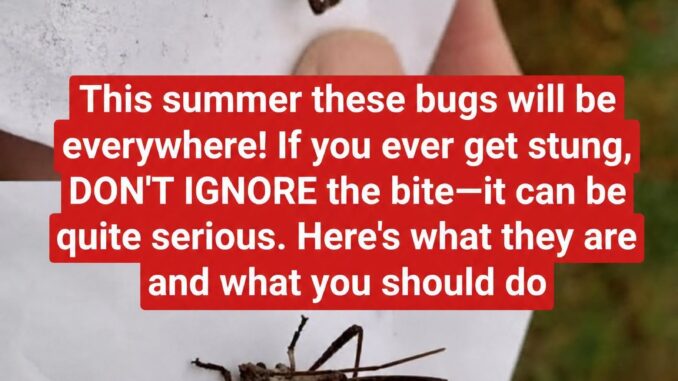
S: insects. Mosquitoes, ticks, and other pests are common concerns, but there is another bug that many people know little about—the assassin bug, also known in some cases as the kissing bug.
Although these insects are not aggressive toward humans, certain species can pose health concerns because of their potential role in spreading a disease called Chagas disease. Understanding what these bugs look like, where they are found, and what to do after a possible bite can help you respond appropriately.
What Is an Assassin Bug?
Assassin bugs are a group of insects known for their predatory behavior. Many species hunt other insects, using their long mouthparts to capture and feed on prey.
Some members of this group are called “kissing bugs” because they may bite humans around the face or mouth area, although bites can happen anywhere on the body.
Unlike mosquitoes, which bite primarily to feed on blood, kissing bugs can create a health concern because of what may happen after they feed.
Why Are Assassin Bug Bites Concerning?
The main concern with certain kissing bugs is their connection to Chagas disease.
The parasite that causes Chagas disease can be found in the insect’s digestive system. After feeding, an infected bug may leave feces near the bite area. If the contaminated material enters the bite wound, eyes, mouth, or another opening, transmission can occur.
It is important to note that not every assassin bug carries the parasite, and not every bite leads to infection. However, because Chagas disease can sometimes cause serious health complications, suspected exposure should be taken seriously.
Where Are Assassin Bugs Found?
Assassin bugs exist in many parts of the United States, with higher numbers often reported in warmer southern regions.
They are commonly found in areas such as:
- Gardens and yards
- Wood piles
- Leaf litter and outdoor debris
- Spaces around porches and patios
- Cracks or gaps around homes
Some species may occasionally enter houses while searching for shelter.
Keeping outdoor areas clean and reducing places where insects can hide can help make your property less attractive to them.
What Does an Assassin Bug Bite Look Like?
A bite from an assassin bug may look similar to other insect bites. Some people experience:
- Redness around the bite area
- Swelling
- Itching
- Mild pain or irritation
Because these symptoms can resemble bites from mosquitoes, spiders, or other insects, identifying the actual insect can be helpful if possible.
If you see the insect responsible for the bite, avoid handling it with bare hands. Instead, safely contain it or take a photo so it can be identified.
What Should You Do After a Possible Bite?
If you believe you have been bitten by an assassin bug, there are several steps you can take.
1. Clean the Area
Wash the bite area thoroughly with soap and water. Cleaning the skin can help remove bacteria and reduce the chance of irritation or infection.
Avoid scratching the bite, as broken skin can allow bacteria to enter.
2. Monitor for Symptoms
Pay attention to how you feel after the bite. While many insect bites cause only temporary irritation, symptoms associated with Chagas disease can vary.
Possible symptoms may include:
- Fever
- Fatigue
- Headache
- Body aches
- Rash
- Swelling around the bite area
- Nausea or vomiting
Some people infected with Chagas disease may have few or no noticeable symptoms at first, which is why medical advice can be important after a suspected exposure.
3. Contact a Healthcare Professional
If you believe you were bitten by a kissing bug—especially if you found the insect afterward—contact a medical professional for guidance.
A healthcare provider can determine whether testing or further evaluation is appropriate. Early detection of Chagas disease can improve treatment options and outcomes.
How Can You Prevent Assassin Bugs Around Your Home?
The best way to avoid problems with these insects is to reduce the chances of encountering them.
Some helpful prevention steps include:
Keep Outdoor Areas Clean
Remove piles of leaves, grass clippings, wood scraps, and other debris where insects may hide.
Seal Entry Points
Check your home for cracks around:
- Windows
- Doors
- Foundations
- Utility openings
Sealing these gaps can help prevent insects from getting inside.
Be Careful Around Outdoor Sleeping Areas
If you camp, spend time in cabins, or sleep in areas where insects are common, inspect bedding and sleeping spaces before use.
Protect Pets
Pets can also encounter insects outdoors. Keeping yards maintained and checking pets after outdoor activities can help reduce exposure.
Should You Be Afraid of Assassin Bugs?
While the name sounds intimidating, assassin bugs are not insects that people need to fear during normal outdoor activities. Most encounters do not result in serious problems.
The important thing is awareness. Knowing what these insects look like and understanding when to seek medical advice can help you handle a possible bite calmly and responsibly.
Enjoying your yard, garden, and outdoor spaces is still possible. Simple precautions—such as keeping areas clean, sealing entry points, and paying attention to unusual insect bites—can go a long way toward protecting yourself and your family.
If you suspect you have been bitten by a kissing bug, don’t ignore it. A quick conversation with a healthcare professional can provide reassurance and help determine the right next steps.
Leave a Reply