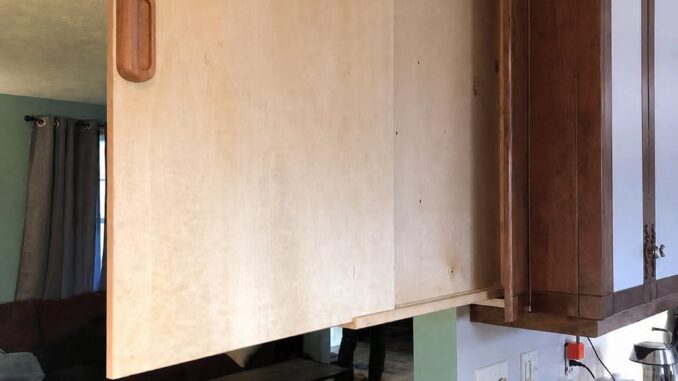
Older homes have a way of surprising their owners. Whether it’s original hardwood floors beneath old carpeting, forgotten built-in cabinets, or unusual architectural details, these discoveries often spark curiosity about how previous generations lived.
One homeowner recently came across a small hidden panel tucked behind a kitchen cabinet. At first glance, it looked like nothing more than a piece of wood covering an opening in the wall. But once the panel was removed, it revealed an empty cavity along with some old wiring that hadn’t been visible for decades.
While it wasn’t a hidden treasure or secret room, it raised an interesting question: Why would a house have a concealed opening like this in the first place?
As it turns out, older homes often include features that no longer appear in modern construction.
Why Older Homes Have Hidden Features
Homes built decades ago were designed differently than many houses today.
Builders often incorporated clever storage spaces, built-in furniture, and practical solutions that made the most of every available inch. Over the years, renovations sometimes covered these features, leaving them hidden behind drywall, cabinets, or paneling.
Finding a concealed opening doesn’t necessarily mean something mysterious was happening. In many cases, it simply reflects how homes evolved through multiple renovations and changing lifestyles.
Could It Have Been a Pass-Through?
One possibility is that the opening was originally a kitchen pass-through.
These became especially popular in mid-century homes, allowing people to pass dishes between the kitchen and dining room without walking around a wall.
As home designs changed, many homeowners chose to close these openings during remodeling projects to create additional cabinet space or a different floor plan.
In some houses, traces of the original opening remain hidden behind newer construction.
Was It Designed for Extra Storage?
Another reasonable explanation is that the cavity once served as a small built-in storage compartment.
Older homes frequently included hidden or recessed storage areas for practical everyday items.
Depending on the home’s design, similar spaces have been used for:
- Keys
- Household documents
- Flashlights
- Small valuables
- Kitchen supplies
- Utility access
While there’s no way to know exactly how every hidden compartment was used, these small storage spaces reflected an era when making efficient use of available space was a priority.
The Discovery of Old Wiring
Behind the panel, the homeowner also noticed older electrical wiring.
This isn’t unusual in houses that have undergone several renovations over the years. Electrical systems are often upgraded in stages, leaving behind wiring that may no longer be in use.
However, it’s important not to assume abandoned-looking wires are inactive.
Some older wiring may still be connected, while other portions may have been disconnected decades earlier.
If you uncover unfamiliar electrical components during a renovation, it’s best to avoid disturbing them until they can be inspected by a qualified electrician.
Why Old Houses Feel Different
Many homeowners are drawn to older houses because they often contain details that aren’t commonly found in newer construction.
These may include:
- Built-in cabinets
- Original woodwork
- Decorative trim
- Hidden cupboards
- Pocket doors
- Laundry chutes
- Small utility compartments
- Vintage hardware
These features weren’t designed to be mysterious—they simply reflected the building styles and practical needs of the time.
As homes changed hands and renovations took place, some of these original elements became hidden from view.
Renovations Often Leave Clues Behind
Every remodeling project tells part of a home’s story.
A doorway might be sealed to create more wall space. A window may be covered during an addition. Cabinets may hide original architectural features that were no longer needed.
Because homes often evolve over several decades, it’s common to find evidence of earlier layouts hidden behind walls or beneath flooring.
Discoveries like these provide a glimpse into how the house functioned before modern renovations changed its appearance.
Should You Open Hidden Panels?
Finding a concealed panel naturally sparks curiosity, but it’s important to proceed carefully.
Before removing built-in panels or opening enclosed spaces, consider a few basic precautions:
- Check for electrical wiring.
- Look for plumbing lines.
- Watch for signs of structural framing.
- Be cautious around insulation in older homes.
- If you’re unsure what you’re seeing, consult a qualified professional before making changes.
A careful approach helps protect both your safety and the home’s original structure.
Every Home Has a Story
One of the joys of owning an older home is uncovering details that previous owners may have forgotten.
A hidden panel may not lead to buried valuables or secret rooms, but it can reveal how people adapted their homes over time.
Sometimes the discovery is simply an old access point for plumbing or wiring. Other times it’s evidence of an earlier floor plan or a practical storage feature that no longer serves its original purpose.
Even seemingly ordinary finds can offer fascinating insight into a home’s history.
Looking for Hidden Features in Your Own Home
If you live in an older house, you might already have original features waiting to be discovered.
Areas worth paying attention to include:
- Behind removable cabinet panels
- Inside closets
- Under staircases
- Beneath old carpeting
- Behind bookshelves or built-in furniture
- Around fireplaces
- In unfinished basements or attics
Of course, not every unusual wall or panel hides something interesting. Many simply provide access to plumbing, wiring, or utility connections.
Still, paying attention to these small details can help you better understand your home’s construction and history.
The Bottom Line
A hidden kitchen panel may seem mysterious at first, but in many cases it’s simply a reminder of how homes were designed and modified over the years. Whether it once served as a pass-through, concealed storage space, or access point for utilities, features like these offer a glimpse into earlier building practices and everyday life.
If you discover something similar in your own home, approach it with curiosity—but also with caution, especially if electrical wiring or plumbing is involved. Sometimes the most interesting discoveries aren’t hidden treasures at all, but the stories they reveal about the people who lived there before us.
Leave a Reply