Understanding Childhood Grief and Its Unique Expressions
Losing a loved one is a profound experience that affects people in many ways. For children, the process of grieving can be especially complex and different from adults. Unlike adults, who tend to verbalize their emotions, children might express sorrow through behavior changes, withdrawal, or imaginative interactions. Recognizing these signs is crucial for caregivers to provide appropriate support.
The Challenge of Supporting Grieving Children
When a child experiences the death of a sibling or close family member, the impact can be overwhelming. Children may become quiet, lose interest in activities they once enjoyed, or even act as though the deceased is still present. These behaviors are often coping mechanisms that help them process feelings they cannot fully articulate. However, this can be confusing or concerning for parents trying to understand what their child needs.
A Personal Account: Navigating Loss in a Family
Consider a family where a young child passed away unexpectedly due to illness. The surviving sibling, previously lively and talkative, suddenly became withdrawn and silent. Despite efforts like therapy and open conversations, the child’s emotional state remained fragile. This situation highlights the difficulty of supporting children through grief, especially when the caregiver is also coping with their own loss.
The Emergence of Imaginary Visits and Their Meaning
Shortly after the sibling’s passing, the surviving child began mentioning that the lost brother visited him at night. While adults might dismiss this as imagination or a dream, it often represents a child’s way of maintaining connection and comfort. Such experiences can provide emotional relief, helping the child feel less alone during a difficult time.
Using Technology to Understand Children’s Emotional Worlds
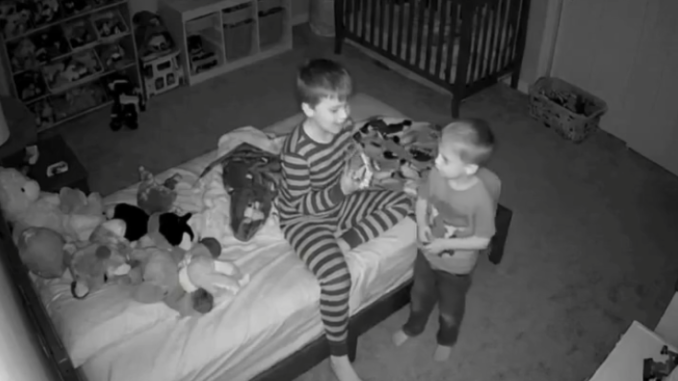
To better understand what was happening, a parent decided to discreetly observe the child during the night using a hidden camera. This decision, while difficult, stemmed from a desire to ensure the child’s well-being and to gain insight into his nighttime behavior. The footage revealed moments of apparent conversation and interaction with an unseen presence, which initially caused confusion and concern.
Discovering Unexpected Realities Beyond Grief
Upon closer examination, it became clear that the child was not alone. Another young child, who had been living nearby in difficult circumstances, was secretly spending nights at the home. The surviving sibling had taken it upon himself to care for this child, creating a bond that provided mutual comfort and companionship. This discovery reframed the situation from a supernatural perspective to one grounded in human connection and kindness.
The Role of Compassion and Support in Healing
Recognizing the presence of the new child prompted the family to seek appropriate help and protection for him. This intervention not only provided safety but also allowed both children to heal together in a supportive environment. Their relationship demonstrated how empathy and friendship can be powerful tools in overcoming grief and loneliness.
Broader Implications for Families and Caregivers
This story underscores several important lessons for those supporting grieving children:
- Grief may manifest in unexpected ways, including imaginative play or secret interactions.
- Emotional healing often requires patience, understanding, and an open mind.
- Children can find solace in forming new connections, even under challenging circumstances.
- Caregivers should balance vigilance with empathy when addressing children’s coping behaviors.
Conclusion: Embracing Hope Through Connection
Grief is a deeply personal journey, particularly for children who may not have the words to express their pain. By paying close attention to their behaviors and providing a safe, supportive environment, families can help children navigate loss more effectively. Sometimes, healing comes from the most unexpected places — through friendships, shared experiences, and the simple human need to belong. This story serves as a reminder that even in the darkest times, hope and compassion can light the way forward.
The Importance of Observing Behavioral Changes Without Judgment
Grieving children often exhibit behaviors that may confuse or worry caregivers. It is essential to approach these behaviors without immediate judgment or fear, understanding that children’s ways of processing loss differ greatly from adults’. For instance, talking to or about a deceased sibling can be a normal part of their emotional adjustment, a way to keep the memory alive and maintain an ongoing connection. Caregivers should encourage open communication and gently explore what the child experiences or feels without dismissing their expressions as mere fantasy.
Balancing Privacy and Safety When Monitoring Children
The decision to use surveillance tools like hidden cameras in a child’s room is complex and should be approached with caution. While such measures can provide valuable insight and reassurance, they also raise concerns about privacy and trust. Parents and guardians must weigh the benefits and potential drawbacks carefully, ensuring that any monitoring is done ethically and transparently whenever possible. Consulting with mental health professionals before implementing such measures can help guide appropriate actions that respect the child’s dignity.
The Role of Foster Care and Support Systems in Healing
When a child in need is identified, as in the case of the hidden visitor, the involvement of foster care services and child protection agencies plays a critical role in providing safety and stability. These systems offer resources and support designed to address trauma and foster healing. It is important for families and communities to engage constructively with such services, recognizing that their goal is to nurture the child’s well-being and facilitate recovery through professional care and supportive environments.
Understanding the Psychological Impact of Sibling Loss
Losing a sibling can profoundly affect a child’s psychological development. Research indicates that such losses may lead to feelings of abandonment, guilt, or confusion about their own identity and family role. These emotions can manifest as behavioral changes, academic challenges, or withdrawal from social interactions. Awareness of these potential impacts enables caregivers and educators to provide targeted support, such as counseling or peer support groups, tailored to help children process their grief in healthy ways.
The Healing Power of Peer and Sibling-Like Relationships
Children often find comfort and resilience through relationships that resemble sibling bonds, whether with actual siblings, cousins, or close friends. These connections provide emotional security, companionship, and a sense of belonging. In the described story, the bond between the surviving child and the new foster child illustrates how shared experiences and mutual support can create a foundation for healing. Encouraging children to build and maintain such relationships can be a vital part of their recovery process.
Media Literacy and Critical Thinking in Grief Narratives
Stories involving supernatural or extraordinary elements, such as ghostly visits, can capture public interest but also require careful interpretation. Media consumers should practice critical thinking and consider alternative explanations grounded in psychological or social realities. Understanding the context and seeking expert perspectives helps prevent misconceptions about grief and mental health, fostering empathy rather than fear or stigma.
The Role of Therapists and Counselors in Facilitating Family Healing
Professional mental health support can be instrumental in guiding families through grief. Therapists trained in child psychology employ techniques that help children express emotions safely and develop coping mechanisms. Family counseling also addresses the dynamics between members, improving communication and mutual understanding. Early and consistent intervention can reduce the long-term emotional impact of loss and support a healthier adjustment for all involved.
Long-Term Perspectives on Grief and Recovery
Grieving is not a linear process and may continue to influence individuals throughout their lives. Children who lose siblings may revisit their grief during significant life events or developmental milestones. Recognizing grief as an ongoing journey encourages caregivers to provide continuous support and remain attentive to changing needs over time. This perspective promotes resilience and acknowledges that healing often involves adaptation rather than complete resolution.
Practical Tips for Caregivers Supporting Grieving Children
- Maintain routines to provide stability and predictability.
- Encourage expression through art, play, or storytelling.
- Validate the child’s feelings, avoiding dismissive language.
- Create opportunities for remembrance, such as memory boxes or rituals.
- Seek professional help if behaviors suggest prolonged distress.
- Foster social connections with peers and supportive adults.
- Be patient and allow the child to grieve at their own pace.
Reflecting on the Legacy of Lost Loved Ones
Honoring the memory of a deceased family member can be a meaningful part of the healing process. Families may choose to celebrate anniversaries, share stories, or engage in activities that reflect the loved one’s interests. Such practices help maintain a continuing bond that acknowledges loss without allowing it to define the present entirely. This balance supports emotional well-being and preserves the positive impact of the individual’s life.
Conclusion: Embracing Complexity in Grief and Healing
The journey through grief is multifaceted, especially for children whose emotional and cognitive frameworks are still developing. By embracing the complexity of their experiences, caregivers and communities can foster environments where healing is nurtured through understanding, connection, and compassionate action. This holistic approach honors both the pain of loss and the resilience of the human spirit.
Navigating Grief in Diverse Cultural Contexts
Grieving processes and expressions vary significantly across cultures and communities. Some cultures encourage open displays of emotion and communal mourning, while others may emphasize stoicism or private reflection. Understanding these cultural nuances is essential for caregivers and professionals supporting grieving children, as it informs sensitive approaches that respect a family’s beliefs and traditions. Awareness of cultural factors can also help avoid misunderstandings when children’s behaviors or rituals differ from mainstream expectations.
The Importance of Education and Awareness for Caregivers
Educating parents, teachers, and caregivers about childhood grief is vital in creating supportive environments. Workshops, literature, and training programs can provide valuable insights into recognizing grief symptoms and appropriate responses. This education helps reduce stigma and equips adults with tools to facilitate healthy emotional expression and resilience in children. Schools, in particular, play a crucial role by offering counseling services and fostering peer support groups that normalize grieving experiences.
Addressing Complicated Grief and When to Seek Help
While many children gradually adjust to loss, some may experience complicated grief—a prolonged, intense reaction that disrupts daily functioning. Signs include persistent sadness, withdrawal, or behavioral issues lasting beyond typical grief timelines. Early identification of complicated grief allows for timely intervention by mental health professionals specializing in childhood bereavement. Therapeutic approaches such as cognitive-behavioral therapy or play therapy can be effective in addressing these challenges.
The Role of Storytelling and Creative Expression in Healing
Creative outlets like storytelling, drawing, music, and play can provide children with nonverbal ways to process grief. These activities offer a safe space to explore feelings and memories, often making abstract emotions more tangible. Caregivers can encourage such expression by providing materials and opportunities without pressure. Schools and community centers can also incorporate grief-informed arts programs that support emotional development.
Understanding Children’s Perceptions of Death and Afterlife
Children’s understanding of death evolves with age and cognitive development. Younger children might view death as reversible or temporary, while older children begin to grasp its permanence. Beliefs about the afterlife or spiritual connections vary and influence how children cope. Open, age-appropriate conversations guided by caregivers can clarify misconceptions and provide comfort. Respecting the child’s own beliefs or family traditions around death supports emotional security.
The Impact of Parental Grief on Children
Children’s grief is often intertwined with their caregivers’ emotional state. When parents or guardians are overwhelmed by their own sorrow, it can affect their availability and responsiveness to the child’s needs. Recognizing this dynamic highlights the importance of self-care for adults and seeking external support when necessary. Strengthening the caregiver’s well-being ultimately benefits the child’s journey through grief.
Promoting Community Support and Inclusion
Community networks can offer vital resources and social connections that ease isolation for grieving children and families. Support groups, faith organizations, and recreational programs tailored for bereaved youth foster a sense of belonging. Inclusive environments where children feel understood and accepted contribute positively to emotional recovery. Encouraging community involvement also educates the broader public about childhood grief, promoting empathy and reducing misconceptions.
Using Media Responsibly When Sharing Grief Stories
Narratives involving grief and loss often attract attention, especially when they include extraordinary elements. It is important for media outlets and storytellers to handle such stories with sensitivity, avoiding sensationalism. Providing context, expert commentary, and avoiding speculation helps audiences understand grief realistically. Media literacy education for consumers encourages critical thinking and compassionate responses, reducing the risk of misunderstanding or stigmatization.
Reflecting on the Long-Term Growth After Loss
While grief is painful, many children develop increased empathy, resilience, and maturity through their experiences. This phenomenon, sometimes called post-traumatic growth, reflects positive psychological change following adversity. Supporting children in recognizing their strengths and coping skills can empower them as they move forward. Celebrating milestones and progress reinforces hope and validates their emotional journey.
Encouraging Open Dialogue About Loss in Families
Creating a family culture that welcomes honest discussions about loss helps normalize grief and reduces feelings of isolation. Sharing memories, expressing feelings, and answering questions openly fosters trust and emotional safety. Families might establish rituals or special times dedicated to remembrance, allowing all members to participate according to their comfort levels. Such practices strengthen bonds and support collective healing.
In summary, the experience of childhood grief is multifaceted and requires a compassionate, informed approach. By integrating cultural awareness, education, creative expression, and community support, caregivers can better assist children in navigating their loss. Emphasizing open communication and professional guidance when needed ensures that children not only cope but also find pathways toward healing and growth.
Leave a Reply