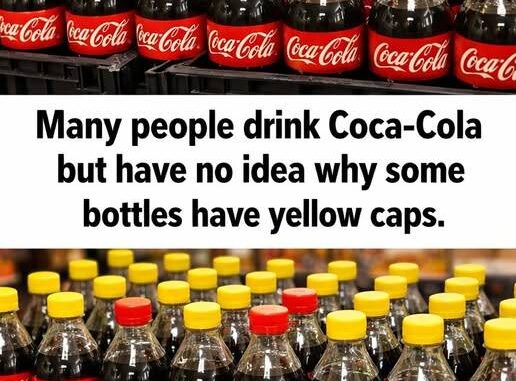
If you’ve ever walked through a grocery store before spring and noticed a Coca-Cola bottle with a bright yellow cap instead of the familiar red one, you may have wondered what it means. While it might look like a seasonal promotion or a special edition design, the yellow cap actually serves an important purpose connected to the Jewish holiday of Passover.
For many people, this small color change goes unnoticed. But for families who observe Passover dietary traditions, the yellow cap is a meaningful sign that the drink inside has been prepared differently to meet specific religious guidelines. It’s a thoughtful adjustment that reflects cultural awareness and inclusivity from one of the world’s most recognizable beverage brands.
A Tradition Connected to Passover
Passover is a major Jewish holiday celebrated each year, usually during the spring. During this time, many Jewish families follow dietary practices that limit certain ingredients and foods. In particular, many Ashkenazi Jewish communities avoid products made with corn or corn-derived ingredients during the holiday.
Regular Coca-Cola sold in the United States is typically sweetened with high-fructose corn syrup, commonly known as HFCS. Because HFCS is made from corn, it does not meet Passover dietary requirements for many observant consumers.
To provide an alternative, Coca-Cola produces a special version sweetened with cane sugar instead of corn syrup. Cane sugar is considered acceptable for Passover under kosher guidelines. To help shoppers quickly identify the correct version, the bottles are marked with distinctive yellow caps.
More Than Just Packaging
The yellow cap is not simply a marketing idea or decorative design choice. It serves as an easy visual indicator that the soda inside is made differently from the standard version. This allows customers observing Passover to shop with confidence without needing to carefully inspect every ingredient label.
Over time, the yellow cap has become a familiar seasonal symbol in many communities. For some families, seeing these bottles appear in stores signals that Passover is approaching. It has quietly become part of the holiday shopping experience in areas with larger Jewish populations.
Why Some People Prefer the Taste
Interestingly, the Passover version of Coca-Cola has gained popularity beyond those observing the holiday. Many soda fans say they enjoy the flavor of cane sugar Coca-Cola more than the version made with high-fructose corn syrup.
People often describe cane sugar soda as having a cleaner or smoother sweetness. Some feel it tastes more like older Coca-Cola recipes from decades ago, before corn syrup became widely used in soft drinks throughout the United States.
Because of this, some shoppers actively look for the yellow-cap bottles each year simply because they prefer the flavor. Even though the recipe change is small, many longtime soda drinkers believe the taste difference is noticeable.
No Extra Cost for Consumers
One detail many customers appreciate is that Coca-Cola generally sells the yellow-cap version at the same price as its regular products. Despite using cane sugar, which can sometimes cost more than corn syrup, the company does not usually market it as a premium product.
This approach helps make the Passover-friendly version accessible to families who rely on it during the holiday season. Rather than turning it into a luxury or novelty item, the company keeps it widely available at standard pricing in participating stores.
Where Yellow-Cap Bottles Usually Appear
Yellow-cap Coca-Cola is typically sold for a limited time in the weeks leading up to Passover. You are most likely to find it in regions with larger Jewish communities, including cities such as New York City, Miami, Chicago, and Los Angeles.
Stores in these areas often stock the special bottles seasonally to meet increased demand. Once Passover ends, the yellow-cap bottles usually disappear from shelves until the following year.
A Small Change with Meaning
What makes the yellow cap notable is not just the recipe change itself, but what it represents. Large global brands do not always adapt products for specific cultural or religious traditions, especially for a relatively short seasonal period. Coca-Cola’s decision to offer a Passover-friendly version demonstrates attention to the needs of different communities.
For many consumers, the yellow cap symbolizes respect and inclusion. It shows how even a small packaging adjustment can help people feel recognized and accommodated. While the cap may seem like a tiny detail, it carries meaningful value for those who observe the holiday.
Final Thoughts
The next time you notice a Coca-Cola bottle with a yellow cap, you’ll know there is more behind it than a simple design change. The yellow cap identifies a special Passover-friendly recipe made with cane sugar instead of high-fructose corn syrup, allowing many Jewish families to enjoy the beverage during the holiday.
Over the years, the yellow cap has become both a practical solution and a quiet symbol of cultural awareness. Whether someone buys it for religious reasons or simply because they enjoy the taste, the seasonal bottle has earned a unique place in the story of one of the world’s most iconic soft drinks.
Leave a Reply