How Birdwatchers Can Contribute to Scientific Discovery
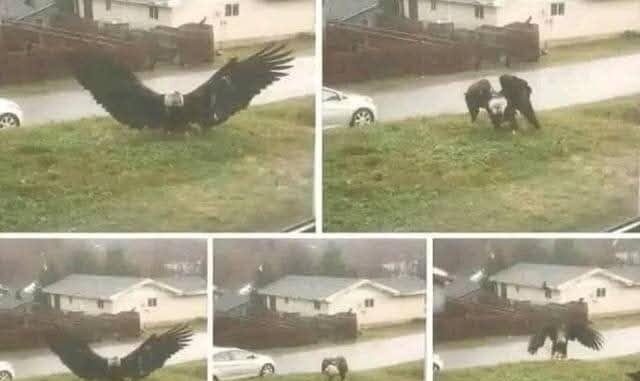
One of the most interesting aspects of this story is how everyday observers played a role in bringing attention to the sighting. Many important wildlife discoveries begin with people who simply spend time outdoors and notice something unusual.
Birdwatchers, hikers, and local residents often act as the first line of observation in regions rich with biodiversity. By documenting what they see—whether through notes, photographs, or videos—they can provide valuable information to researchers.
For those interested in contributing responsibly, there are a few simple practices to follow:
- Record the date, time, and location of the sighting
- Note weather conditions and visibility
- Describe the bird’s size, shape, and behavior as accurately as possible
- Take photos or videos if it can be done without disturbing the animal
This kind of detailed information can help scientists compare reports and identify patterns that might otherwise go unnoticed.
The Challenge of Identifying Birds in Flight
Even experienced ornithologists acknowledge that identifying birds in flight can be difficult. Factors such as distance, lighting, and angle all influence how a bird appears to the human eye.
Large birds of prey, in particular, can be tricky to distinguish. Their silhouettes may look similar when soaring at high altitudes, and subtle differences in wing shape or movement can be hard to detect without close observation.
In some cases, birds may appear significantly larger than they actually are. This can happen when they fly closer to the observer than expected or when there are no nearby objects for size comparison.
Because of these challenges, scientists rely on multiple forms of evidence before confirming a species. A single sighting—no matter how detailed—is rarely enough on its own.
Migration Patterns and Unexpected Visitors
The possibility of a rare or out-of-range bird appearing in South Texas is not as unlikely as it might seem. Migration patterns are influenced by a wide range of factors, including weather systems, food availability, and environmental changes.
Strong winds or storms can push birds far off course, leading them to appear in unfamiliar regions. In some cases, these unexpected journeys result in sightings that excite both researchers and bird enthusiasts.
The Rio Grande Valley is especially known for this phenomenon. Its location makes it a natural crossroads for species traveling between North and South America. This unique positioning increases the chances of rare sightings, even if they occur only occasionally.
The Importance of Patience in Wildlife Research
Scientific investigation often moves at a slower pace than public curiosity. While people may hope for immediate answers, researchers understand that accurate conclusions take time.
Collecting reliable data, reviewing footage, and comparing findings with known species all require careful attention. Rushing this process can lead to incorrect assumptions, which is why scientists emphasize patience and precision.
In this case, the ongoing effort to identify the large raptor reflects a commitment to accuracy. Rather than making bold claims, researchers continue to gather information and refine their understanding.
How Technology Continues to Shape Discoveries
Advancements in technology have made it easier than ever to study wildlife in remote or challenging environments. Tools like motion-activated cameras and high-powered lenses allow researchers to observe animals without interfering with their natural behavior.
These innovations have expanded our knowledge of the natural world, revealing patterns and species that were once difficult to document. At the same time, they have highlighted the importance of careful analysis.
Even with modern equipment, interpreting what is captured requires expertise and critical thinking. Technology provides the data, but science provides the understanding.
Inspiring a New Generation of Nature Enthusiasts
Stories like this do more than spark curiosity among scientists—they also inspire people of all ages to take an interest in nature. For many, hearing about an unusual sighting encourages them to spend more time outdoors, observing the environment around them.
This increased awareness can lead to a deeper appreciation for wildlife and the ecosystems that support it. It can also encourage conservation efforts, as people become more invested in protecting natural habitats.
Young learners, in particular, may find stories like this exciting. The idea that there are still mysteries in the natural world can inspire future scientists, researchers, and environmental advocates.
Conservation and the Bigger Picture
Regardless of the final outcome, this investigation underscores the importance of preserving habitats like those found in South Texas. Healthy ecosystems support a wide range of species, including those that are rare or not yet fully understood.
Conservation efforts help ensure that these environments remain intact for future generations. Protecting land, maintaining biodiversity, and supporting wildlife research all contribute to a better understanding of the natural world.
Even a single sighting can draw attention to the value of these ecosystems and the need to protect them.
Final Reflections
The story of the large bird sighting near the Rio Grande Valley continues to capture attention because it blends curiosity with careful science. While the identity of the bird remains uncertain, the process of investigation reveals how researchers approach the unknown.
It is a reminder that discovery does not always happen in dramatic moments. Often, it begins with small observations, thoughtful questions, and a willingness to explore possibilities.
As scientists continue their work, the skies over South Texas remain a place of interest and intrigue. Whether the mystery is eventually solved or not, the story has already achieved something meaningful—it has encouraged people to look up, stay curious, and appreciate the complexity of the natural world.
And sometimes, that sense of wonder is the most valuable discovery of all.
The Role of Collaboration in Wildlife Research
One of the most effective aspects of this investigation has been the collaboration between different groups. Wildlife officials, academic researchers, local birdwatchers, and community members all contributed in their own ways.
Scientific progress often depends on this kind of cooperation. Researchers bring technical knowledge and methodology, while local observers provide valuable, real-world insights from time spent in the field. When these perspectives are combined, the result is a more complete understanding of unusual events.
In the case of the South Texas sighting, shared information helped narrow down key locations and patterns. Without multiple reports from different individuals, the investigation might never have gained momentum.
Understanding the Limits of Human Perception
Another important takeaway from this story is how easily perception can be influenced by environmental factors. Humans are not always accurate at judging size, especially when objects are viewed at a distance or against an open sky.
A bird flying high overhead can appear larger or smaller depending on light conditions, angle, and even background contrast. Without nearby reference points, estimating wingspan becomes especially difficult.
This is not a flaw—it’s simply a limitation of how human vision works. Recognizing these limitations is part of what makes scientific investigation so important. By combining observation with measurement tools, researchers can move from perception to evidence.
Why Rare Sightings Matter
Even when unusual sightings turn out to have ordinary explanations, they still play an important role in science. Each report adds to a growing body of knowledge about species distribution, migration, and behavior.
For example, if a bird appears outside its typical range, it may indicate changes in environmental conditions. These shifts can be linked to factors such as climate patterns, habitat changes, or food availability.
Tracking these occurrences over time helps scientists identify trends that might otherwise go unnoticed. In this way, even a single sighting can contribute to a much larger picture.
Ethical Wildlife Observation
As interest in the story continues to grow, experts emphasize the importance of observing wildlife responsibly. Increased attention can sometimes lead people to unintentionally disturb natural habitats.
To avoid this, wildlife officials recommend maintaining a respectful distance from animals and avoiding actions that could disrupt their routines. This includes staying on designated trails, keeping noise levels low, and refraining from attempting to approach or feed wild animals.
Photography should also be done carefully. Using zoom lenses instead of getting physically closer helps protect both the observer and the animal.
Responsible behavior ensures that research can continue without harming the very ecosystems people are trying to understand.
The Value of Ongoing Monitoring
The investigation into the large raptor is still active, with researchers continuing to monitor the region for additional sightings. Over time, repeated observations may provide the clarity needed to identify the bird with confidence.
Long-term monitoring is a cornerstone of wildlife research. Some species are rarely seen, and their behavior may only become clear after extended study. By maintaining observation efforts, scientists increase the likelihood of gathering meaningful data.
This process requires dedication and consistency, often over months or even years. While it may not always produce immediate answers, it ensures that conclusions are based on solid evidence.
Encouraging Community Awareness
Stories like this also serve as an opportunity to raise awareness about local wildlife. Many people may not realize how diverse and dynamic their regional ecosystems are until something unusual captures their attention.
By sharing information and encouraging curiosity, researchers and conservation groups can inspire communities to take a more active interest in their surroundings. This can lead to greater support for conservation efforts and a stronger connection to the natural environment.
Educational programs, guided nature walks, and local events can all help build this awareness, turning curiosity into meaningful engagement.
Looking Ahead
As the search for answers continues, researchers remain focused on gathering clear, verifiable evidence. Whether the bird is eventually identified as a known species or remains uncertain for some time, the process itself is valuable.
Each step of the investigation adds to scientific understanding and demonstrates how careful observation can lead to new insights. It also reinforces the importance of keeping an open mind while relying on evidence-based conclusions.
Closing Thoughts
The remarkable bird sighting in South Texas is more than just an intriguing story—it’s a reminder of how much there is still to learn about the natural world. Even in well-studied regions, unexpected discoveries can challenge assumptions and spark new lines of inquiry.
By combining curiosity with scientific discipline, researchers and everyday observers alike contribute to a deeper understanding of wildlife. And as long as people continue to look closely at the world around them, there will always be new stories waiting to unfold.
In the end, the mystery of the large raptor may or may not be fully resolved. But the sense of wonder it has created—and the attention it has brought to the importance of nature—will continue to have a lasting impact.
Leave a Reply