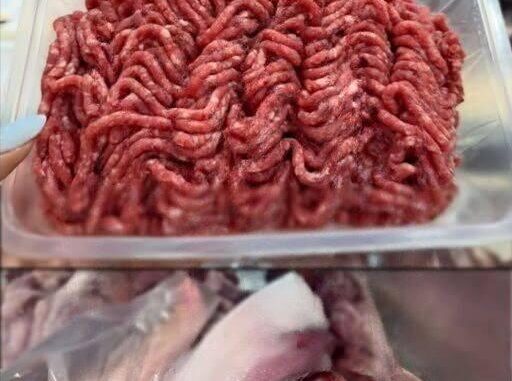
Building a healthy and balanced diet starts with making thoughtful food choices. Among the many foods people consume daily, meat remains one of the most important sources of essential nutrients such as protein, iron, zinc, and key vitamins. However, it is also one of the most delicate food categories when it comes to freshness, storage, and safe handling.
Although supermarkets and food markets are required to follow safety regulations, the quality of meat can still vary. Small differences in how meat is stored, packaged, and handled can affect both its freshness and safety. For this reason, it is important for consumers to understand how to identify high-quality meat and avoid products that may not be suitable for consumption.
With the right knowledge and habits, you can shop confidently, store food properly, and prepare meals that are both safe and enjoyable. This guide covers everything you need to know—from choosing fresh meat at the store to handling and cooking it safely at home.
Why Meat Quality and Safety Matter
Meat is a nutrient-rich food that plays a key role in many diets. It provides essential amino acids that support muscle growth, along with important vitamins and minerals that contribute to overall health.
However, meat is also highly perishable. If it is not stored or handled correctly, it can become unsafe. Bacteria can grow quickly under improper conditions, increasing the risk of foodborne illness.
Choosing high-quality meat helps reduce these risks. Fresh meat not only supports better health but also improves taste and texture. It cooks more evenly, retains moisture, and delivers a more satisfying eating experience.
How to Identify Fresh Meat
Understanding how to evaluate meat before buying it is one of the most important steps in food safety. There are three key indicators you can rely on: appearance, texture, and smell.
Color and Appearance
Fresh meat should have a natural, consistent color:
- Beef typically appears bright red
- Poultry usually has a pale pink tone
- Pork is generally light pink
While slight variations are normal, avoid meat that looks dull, gray, or discolored. These changes can indicate that the product is no longer fresh.
Texture and Feel
Fresh meat should feel firm and slightly moist. It should not feel sticky, slimy, or excessively dry. A sticky or tacky surface may suggest bacterial growth, which can make the meat unsafe.
Smell
Fresh meat usually has little to no strong odor. If the meat smells sour, sharp, or unpleasant, it is best not to purchase it. Smell is often one of the clearest signs of spoilage.
Checking Packaging Carefully
Packaging plays an important role in preserving meat quality. Before buying, always inspect the packaging for any issues.
Avoid products with:
- Leaking liquids
- Broken or loose seals
- Swollen or bloated wrapping
Good packaging helps prevent contamination and keeps the meat fresh. If anything looks unusual, it’s safer to choose another product.
Understanding Food Labels
Food labels provide valuable information that can help you make safe choices. Taking a few moments to read them can make a big difference.
Key things to look for include:
- Expiration or “use by” date: Indicates how long the meat should remain safe
- Packaging date: Shows how recently the product was prepared
- Storage instructions: Helps you maintain proper temperature
- Source or origin: Provides insight into production standards
Clear and accurate labeling allows you to make more informed decisions and reduces uncertainty.
Choosing the Right Place to Buy Meat
Where you buy your meat can greatly influence its quality. Reliable sellers are more likely to follow proper hygiene and storage practices.
Good options include:
- Established supermarkets
- Certified meat suppliers
- Local butcher shops with strong reputations
These sources typically maintain clean environments, proper refrigeration, and consistent quality checks.
Developing a relationship with a trusted butcher can also be helpful. They can offer advice on selecting cuts and preparing meals.
Safe Storage at Home
Proper storage is essential to keep meat safe after purchase. Even fresh meat can become unsafe if not handled correctly.
Refrigeration
- Store meat in the refrigerator as soon as possible
- Keep the temperature below 4°C (40°F)
- Place meat on the lowest shelf to prevent leaks onto other foods
Freezing
If you do not plan to use the meat within a few days, freezing is a good option. Proper wrapping helps preserve quality and prevents freezer burn.
Avoiding Cross-Contamination
Keep raw meat separate from other foods, especially items that are eaten without cooking. Use separate containers, cutting boards, and utensils to reduce risk.
Cooking Meat Safely
Cooking meat properly is one of the most effective ways to ensure safety. Heat destroys harmful bacteria and makes food safe to eat.
Basic Cooking Tips
- Cook meat to appropriate internal temperatures
- Avoid undercooking, especially poultry and ground meat
- Use a food thermometer when possible
Kitchen Hygiene
- Wash hands before and after handling raw meat
- Clean surfaces, utensils, and cutting boards thoroughly
- Do not reuse raw marinades unless they are cooked
These practices help prevent contamination and improve food quality.
Warning Signs of Spoiled Meat
It is important to recognize when meat is no longer safe to use. Discard the product if you notice:
- A slimy or sticky surface
- Unusual color changes (gray or green tones)
- A strong or unpleasant odor
When in doubt, it is always safer to throw it away.
Benefits of Buying from Local Producers
Many consumers choose to buy meat from local farmers or small producers. This can offer several advantages:
- Fresher products due to shorter supply chains
- More transparency about production methods
- Opportunities to ask questions about sourcing
Supporting local producers can also help strengthen local economies and promote sustainable practices.
Smart Shopping Habits
Developing better shopping habits can improve both safety and convenience.
Helpful tips include:
- Plan meals ahead to avoid buying too much
- Choose stores with clean, organized meat sections
- Use insulated bags for longer trips home
- Buy meat last to reduce time outside refrigeration
Small changes like these can make a big difference.
Common Myths About Meat Safety
There are several misconceptions about meat that can lead to unsafe practices.
Myth: Color alone determines freshness
Reality: Color is important but should be evaluated along with smell and texture.
Myth: Freezing eliminates bacteria
Reality: Freezing slows bacterial growth but does not destroy it completely.
Myth: Washing meat makes it safer
Reality: Washing can spread bacteria to surfaces. Proper cooking is more effective.
Understanding these facts helps you make safer decisions.
Maintaining a Clean Kitchen
Food safety continues at home. A clean kitchen environment is essential for preventing contamination.
Best practices include:
- Regularly cleaning countertops and tools
- Using separate equipment for raw and cooked foods
- Keeping the refrigerator clean and organized
Consistency in these habits supports overall food safety.
Final Thoughts
Choosing fresh, safe, and high-quality meat does not have to be complicated. By paying attention to key details such as color, texture, smell, and packaging, you can quickly identify better products.
Combining smart shopping habits with proper storage and cooking practices helps reduce risks and improves your overall dining experience.
In the end, making informed food choices is an important step toward maintaining good health. With a little awareness and consistency, you can enjoy safe, nutritious, and delicious meals every day.
A Practical Guide to Choosing Fresh, Safe, and High-Quality Meat
Choosing quality meat is an important part of maintaining a balanced and healthy diet. Meat provides essential nutrients such as protein, iron, zinc, and vitamins that support overall well-being. However, because it is highly perishable, it requires careful selection, storage, and preparation to ensure safety.
When buying meat, it’s important to evaluate a few key freshness indicators. Appearance is often the first clue. Fresh beef typically has a bright red color, poultry appears pale pink, and pork is light pink. While natural variations can occur, meat that looks dull, gray, or uneven in color may no longer be fresh.
Texture is another useful sign. Fresh meat should feel firm and slightly moist. If it feels sticky, slimy, or overly dry, it may not be safe to consume. Smell is also a strong indicator—fresh meat usually has little to no odor, while a sour or unpleasant smell suggests spoilage.
Packaging should always be checked carefully. Avoid meat with leaking fluids, damaged seals, or swollen wrapping, as these can indicate improper storage or contamination. Reading labels is equally important. Pay attention to expiration dates, packaging dates, and storage instructions to ensure the product is still safe to use.
Where you shop matters as well. Reliable grocery stores and reputable butcher shops are more likely to follow proper hygiene and refrigeration standards. Choosing trusted sources increases the likelihood of purchasing high-quality products.
Once you bring meat home, proper storage is essential. Refrigerate it promptly at a temperature below 4°C (40°F), and keep it on the lowest shelf to prevent cross-contamination. If you don’t plan to use it within a few days, freezing is a safe option to preserve quality.
Safe handling is just as important as proper storage. Keep raw meat separate from other foods, especially those eaten raw. Always wash your hands before and after handling it, and clean all surfaces and utensils thoroughly.
Cooking meat to the correct internal temperature is crucial for safety, as heat destroys harmful bacteria. Using a food thermometer can help ensure accuracy, particularly for poultry and ground meat.
By paying attention to these simple guidelines, you can confidently choose fresh, safe meat and enjoy better, healthier meals every day.
Leave a Reply