Modern vehicles are filled with advanced safety technology. From airbags and collision sensors to reinforced frames and automatic braking systems, today’s cars are designed to protect passengers in ways previous generations could only imagine. Yet one of the most important safety features in any vehicle remains surprisingly simple: the seat belt.
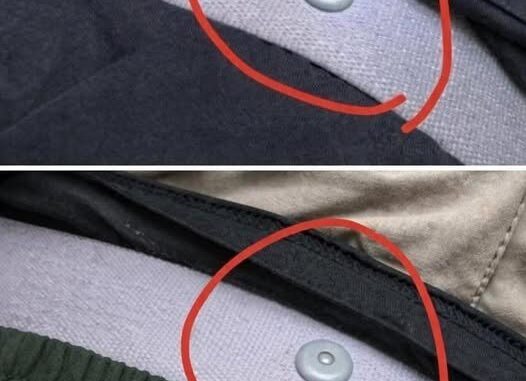
Most people recognize the main parts of a seat belt—the strap, the buckle, and the retracting mechanism. But there is also a tiny detail many drivers barely notice: the small round plastic button attached to the belt itself.
At first glance, it may seem unimportant, almost like a decorative piece or a manufacturing detail. In reality, that little button plays a useful role in making your seat belt safer, easier to use, and more comfortable every day.
What Is the Small Button on a Seat Belt?
The small plastic piece attached to the seat belt is commonly called a seat belt stopper or retainer button. Its main purpose is simple: it prevents the metal latch plate—the part you insert into the buckle—from sliding all the way down the strap when the belt is not in use.
Without the button, the latch plate would constantly slip toward the floor, making it harder to reach when getting into the car.
While this may sound like a minor convenience feature, it actually serves several important functions connected to comfort, accessibility, and proper seat belt positioning.
Why Proper Seat Belt Position Matters
Seat belts are designed to protect the body during sudden stops or collisions. In an accident, the body naturally continues moving forward because of inertia. The seat belt helps slow and secure the passenger safely by distributing force across stronger parts of the body, such as the chest and hips.
For maximum protection, the belt must sit correctly:
- The shoulder strap should cross the center of the chest and shoulder
- The lap belt should rest low across the hips
- The belt should remain flat without twisting
If the belt rides too close to the neck or slips off the shoulder, it may not protect the occupant effectively during a crash.
The small stopper button helps keep the latch plate positioned at the proper height, making it easier for the belt to stay aligned correctly when worn.
A Convenience Feature That Encourages Safety
One reason the stopper button matters is because it improves everyday usability.
Imagine entering your car and having to search near the floor for the buckle every single time. Over time, this small frustration could become annoying or lead people to wear the seat belt incorrectly.
By keeping the latch plate in a fixed, reachable position, the button allows drivers and passengers to buckle up quickly and naturally. Small design improvements like this help encourage consistent seat belt use, which remains one of the most effective ways to reduce injuries in traffic accidents.
Supporting Modern Safety Systems
Today’s seat belts work together with several advanced vehicle safety technologies.
Many vehicles include systems such as:
- Pretensioners, which tighten the belt instantly during a collision
- Load limiters, which help reduce excessive pressure on the chest
- Airbags that coordinate with seat belt positioning
For these systems to function properly, the seat belt must already be sitting in the correct position before an accident occurs.
The stopper button helps maintain the belt’s normal alignment and prevents the webbing from twisting or shifting excessively. While the button itself is small, it contributes to the overall effectiveness of the seat belt system.
Improving Comfort During Daily Driving
Comfort also plays a surprisingly important role in vehicle safety.
A seat belt that twists, rubs against the neck, or feels awkward may tempt people to adjust it improperly or avoid wearing it altogether. The small stopper button helps the belt remain flat and correctly oriented as it moves across the shoulder and chest.
This helps reduce:
- Twisting of the strap
- Uneven pressure points
- Excess rubbing against the skin
By keeping the belt more comfortable during long drives, the button indirectly supports safer driving habits.
What Happens If the Button Is Missing?
Because the stopper button is small and made of plastic, it can occasionally loosen, crack, or fall off over time.
When this happens, the metal latch plate often slides down the belt and rests near the floor. Although the seat belt may still function, it can become less convenient and harder to position properly.
A missing button may lead to:
- Difficulty reaching the buckle
- Twisted seat belt webbing
- Improper shoulder positioning
- Increased wear on the belt
If the stopper becomes damaged or detached, experts generally recommend replacing it with an approved part rather than using temporary fixes.
Avoid Improvised Repairs
Some people attempt to replace missing stopper buttons with clips, pins, or homemade solutions. However, this is not recommended.
Improvised repairs may:
- Damage the seat belt material
- Create sharp edges
- Interfere with smooth belt movement
- Reduce safety during an accident
Because seat belts are carefully engineered safety systems, replacement parts should ideally meet manufacturer standards.
If a seat belt appears damaged, worn, or improperly functioning, it is best to have it inspected professionally.
Small Details Can Have Big Importance
Vehicle safety depends on many components working together correctly. While airbags and crash sensors receive most of the attention, even tiny features like the seat belt stopper contribute to overall protection.
Automotive engineers carefully design every part of a seat belt system to improve both safety and usability. The small plastic button may not seem impressive, but it helps ensure that one of the vehicle’s most important safety tools remains ready and properly positioned every time you drive.
Seat Belts Still Save Lives
Despite advances in vehicle technology, seat belts remain one of the most effective forms of passenger protection ever developed.
According to road safety experts, wearing a seat belt significantly reduces the risk of serious injury or death during a crash. Proper positioning is essential, which is why even small components that improve alignment and usability matter more than many people realize.
Final Thoughts
The next time you buckle your seat belt, take a moment to notice that tiny round button attached to the strap. It may look simple, but it serves an important purpose.
By keeping the buckle accessible, helping the belt stay aligned, supporting comfort, and contributing to proper safety system function, this small piece of plastic plays a quiet but valuable role in everyday driving safety.
Sometimes the smallest details are the ones working hardest behind the scenes—and in the case of your seat belt, that little button is one of them.
Leave a Reply