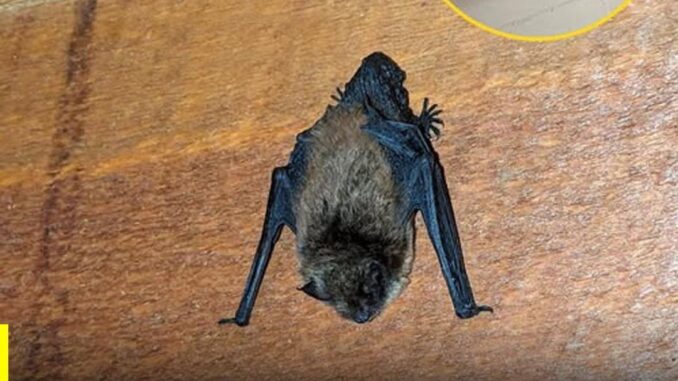
Seeing a bat fly into your home can be startling. The sudden flit of leathery wings, the sharp sounds of squeaks and fluttering—many people immediately react with a mix of fear, curiosity, and even superstition. Across cultures, bats have long been associated with everything from good luck to omens of misfortune, leaving homeowners to wonder whether such a visit carries a hidden message. In reality, science offers a much clearer explanation: these encounters are almost always natural and accidental, driven by the bat’s biology and environmental conditions rather than any mystical force.
Nighttime Navigation and Disorientation
Bats are primarily nocturnal creatures, using a sophisticated navigation system called echolocation to move through the dark. By emitting high-pitched sounds and interpreting the returning echoes, they can detect objects, prey, and obstacles with remarkable accuracy. However, artificial light, reflective surfaces, or open windows can interfere with this system. A bat chasing insects or exploring its territory may become temporarily disoriented, inadvertently flying into human living spaces. In most cases, a bat inside a house is simply lost, rather than sent with any symbolic intent.
Following a Food Source
Another common reason bats enter homes is in pursuit of food. Many species feed almost exclusively on insects, consuming vast quantities each night. Outdoor lighting often attracts moths, mosquitoes, and other insects, which can draw a bat closer to human structures. If a window or door is left open, the bat may follow its prey inside. These incidents are a normal part of survival behavior, with the animal simply responding to its immediate needs.
Seeking Shelter
Bats sometimes enter houses in search of temporary shelter. Sudden weather changes such as rainstorms, high winds, or unusually cold temperatures can prompt them to seek safe, quiet spaces to rest. Homes—especially older ones with attics, eaves, vents, or small cracks—can appear as convenient refuges. Urban environments increase the likelihood of such interactions, as bats often roost near human structures due to a lack of natural caves or tree cavities.
Debunking Symbolic Myths
Despite centuries of cultural interpretations, there is no scientific evidence to support the idea that a bat entering a home carries spiritual or supernatural meaning. In some traditions, bats symbolize prosperity, change, or good fortune; in others, they are associated with darkness, danger, or bad omens. While these beliefs are compelling narratives, they reflect human interpretation rather than biological reality. A bat flying into a room is simply an animal responding to environmental stimuli, not a messenger of fate or fortune.
Safety and Practical Considerations
Although most encounters are harmless, it is important to approach a bat in the home with care. Experts recommend remaining calm, avoiding direct contact, and allowing the bat to exit through an open door or window. Children and pets should be kept away to minimize risk, and handling the animal is discouraged, as bats can carry diseases, including rabies, though the probability of transmission in a casual household encounter is extremely low. If a bat does need to be removed safely, local wildlife control or pest management professionals can assist.
Ecological Importance
Beyond the immediate concern of a surprise visitor, bats serve a vital ecological role. As natural pest controllers, they consume tremendous numbers of insects each night, reducing populations of mosquitoes, moths, beetles, and other species that can damage crops or spread disease. Certain bat species also contribute to pollination and seed dispersal, supporting plant diversity and ecosystem stability. Their presence near human habitats is a reminder of the interconnections between wildlife and daily life, highlighting the importance of coexisting with, rather than fearing, these animals.
A Natural Phenomenon
Ultimately, a bat appearing inside a home is a straightforward interaction between an animal and its environment. It is almost always accidental, driven by food, shelter, or environmental confusion. Understanding this fact allows homeowners to respond calmly, prevent unnecessary panic, and even appreciate the fascinating biology of these creatures. Rather than a warning or a hidden message, the visit is simply part of nature’s rhythm intersecting with human habitation.
Learning to Appreciate Bats
By replacing superstition with science, we can shift from fear to understanding. Observing a bat indoors offers an opportunity to reflect on how wildlife interacts with our spaces and to recognize the crucial roles these creatures play. While myths and folklore will always color our perception, knowledge allows us to approach such encounters safely and with appreciation.
In the end, bats in a house are not omens—they are biological beings acting according to instinct. By opening a window, stepping back, and letting nature take its course, we honor both their needs and our own safety, while acknowledging that even the smallest creatures can teach us valuable lessons about balance, ecology, and coexistence.
Leave a Reply