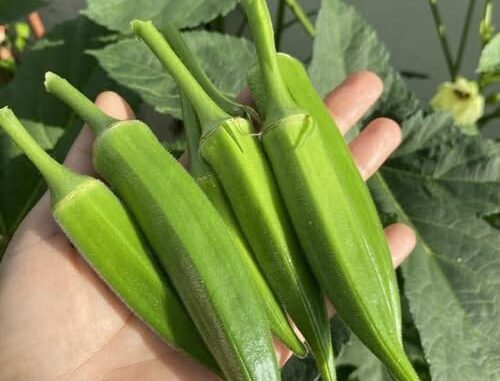
The modest okra pod, known for its distinctive texture and gentle, nutty flavor, has long existed quietly in kitchens, often relegated to side dishes or used to thicken soups and stews. Many people overlook this vegetable until the demands of long-term health and nutrition bring its benefits into focus. Modern research, however, is shedding light on okra as more than just a pantry staple—it is a vegetable packed with nutrients and compounds that support overall well-being. Nutritionists and medical professionals are increasingly highlighting okra for its unique combination of soluble fiber, antioxidants, and essential vitamins, which collectively support the body from the inside out.
What sets okra apart from many green vegetables is its signature mucilage, a viscous substance sometimes referred to as “slime.” Though it can be polarizing, this natural gel is a key contributor to digestive health. It coats the intestinal lining, creating a soothing pathway for food and waste to pass, which can improve comfort for those prone to constipation. Unlike harsh laxatives that can irritate or create dependency, okra’s mucilage promotes gentle, steady digestive support. Light cooking methods, such as steaming or blanching, preserve these properties, supporting a balanced gut microbiome. For individuals experiencing chronic digestive discomfort or irritable bowel syndrome, incorporating okra into regular meals can transform their digestive experience from unpredictable to reliable.
Okra’s benefits extend beyond digestion, particularly for older adults. It is rich in Vitamin K, which is critical for bone health and effective calcium utilization, helping to reduce the risk of fractures and maintain structural strength. Folate (Vitamin B9) supports cellular repair and brain function, while Vitamin C provides essential support to the immune system, helping the body defend against common infections. Together, these nutrients promote both mobility and resilience, enabling seniors to maintain independence and overall health as they age.
Another advantage of okra is its affordability and versatility. It grows well in diverse climates, making it an accessible source of nutrition for many. While some may be sensitive to its texture, there are multiple preparation methods to enjoy it. Roasting okra with olive oil and seasonings produces a crispy snack similar to chips. It can also be sliced into coins for stir-fries, cooked in spiced sauces or curries, or eaten raw in salads for a refreshing crunch. Its mild flavor adapts well to a variety of culinary styles, making it easy to incorporate into everyday meals.
While okra is generally safe and beneficial, certain individuals should exercise caution. Okra contains oxalates, compounds that can contribute to kidney stone formation in susceptible people. Those with a history of kidney issues should monitor their consumption. Additionally, the high Vitamin K content, while advantageous for bone health, may interfere with blood-thinning medications such as warfarin. Patients taking these medications should consult their healthcare providers and maintain a consistent intake to avoid potential complications.
Okra exemplifies how some of the most powerful health tools are found in simple, natural foods. It supports digestion, heart health, and blood sugar balance quietly yet effectively. Regular inclusion in a balanced diet can help build a resilient foundation for long-term wellness. In an era dominated by complex supplements and trendy diets, the humble okra pod serves as a reminder that sustainable health solutions can often be as simple as adding nutrient-rich vegetables to your plate. Its gentle but persistent effects demonstrate the enduring value of whole foods and the profound impact that mindful eating can have on overall vitality.
Leave a Reply