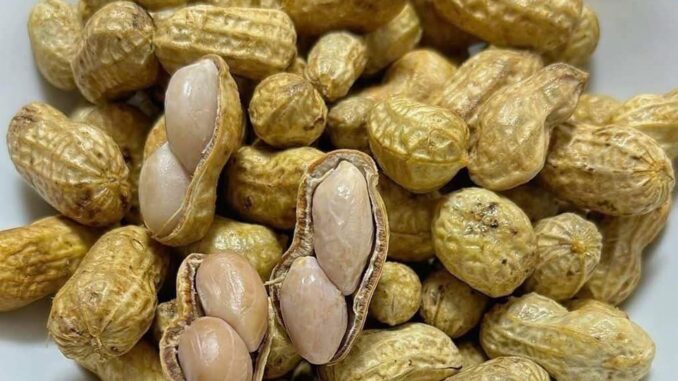
As people age, nutritional needs change significantly. After about age 60, maintaining heart health, muscle strength, cognitive function, and stable energy levels becomes more important than ever. While many turn to supplements or expensive “superfoods,” a surprisingly simple and affordable option often gets overlooked: peanuts (peanuts).
When eaten in moderation and as part of a balanced diet, peanuts can offer a wide range of nutrients that support healthy aging.
Heart Health Support
One of the biggest health priorities for older adults is protecting the cardiovascular system.
Peanuts contain mostly unsaturated fats—especially monounsaturated and polyunsaturated fats—that can help support healthier cholesterol levels when they replace saturated fats in the diet.
They also provide important minerals like magnesium, which supports normal blood pressure and heart muscle function.
When included regularly in small portions, peanuts may contribute to better long-term heart health as part of an overall balanced eating pattern.
Brain and Cognitive Function
Cognitive health becomes a growing concern with age, including memory and mental clarity.
Peanuts contain nutrients that support brain function, such as:
- Vitamin E (an antioxidant that helps protect brain cells from oxidative stress)
- Niacin (vitamin B3), which supports nervous system function
While no single food prevents cognitive decline, nutrient-dense snacks like peanuts can be part of a broader lifestyle that supports brain health alongside exercise, sleep, and mental activity.
Blood Sugar Stability
Older adults are more likely to experience insulin resistance or type 2 diabetes.
Peanuts have a low glycemic index, meaning they do not cause rapid spikes in blood sugar.
Because they contain a combination of protein, fiber, and healthy fats, they slow digestion and help maintain more stable energy levels throughout the day.
This makes them a practical snack option between meals, especially for those managing blood sugar levels.
Muscle Maintenance and Strength
Loss of muscle mass (sarcopenia) is a natural part of aging, but proper nutrition can slow the process.
Peanuts provide plant-based protein that helps support muscle maintenance and repair.
While they shouldn’t replace other protein sources like fish, eggs, or legumes, they can help supplement daily protein intake in an easy and convenient way.
Even small additions to meals can contribute to better strength and mobility over time.
Bone Health and Key Minerals
Bone health depends on more than just calcium and vitamin D.
Peanuts also contain:
- Magnesium
- Phosphorus
These minerals play a role in maintaining bone structure and strength. When combined with other nutrient-rich foods, peanuts can support overall skeletal health in older adults.
Important Considerations for Older Adults
Although peanuts are nutritious, they should be consumed thoughtfully:
- Choose unsalted peanuts to avoid excess sodium
- Keep portions moderate (about a small handful per day)
- Avoid heavily processed or fried versions
- Be cautious if there is any history of allergy
For those who have difficulty chewing, natural peanut butter (peanut butter) without added sugar or hydrogenated oils can be a practical alternative.
A Simple Addition to Daily Meals
One of the best things about peanuts is how easy they are to include in everyday eating habits.
They can be added to:
- Yogurt
- Oatmeal
- Salads
- Whole-grain toast
- Healthy snack mixes
This small change can significantly increase nutrient intake without complicated meal planning or expensive supplements.
Final Thoughts
Healthy aging doesn’t always require dramatic lifestyle changes. Often, it’s the small, consistent habits that make the biggest difference.
Peanuts offer older adults a practical, affordable, and nutrient-dense food that supports:
- Heart health
- Brain function
- Muscle maintenance
- Blood sugar stability
- Bone strength
When eaten wisely and in moderation, they can be a simple but powerful addition to a balanced diet—helping support vitality and independence in later life.
Leave a Reply