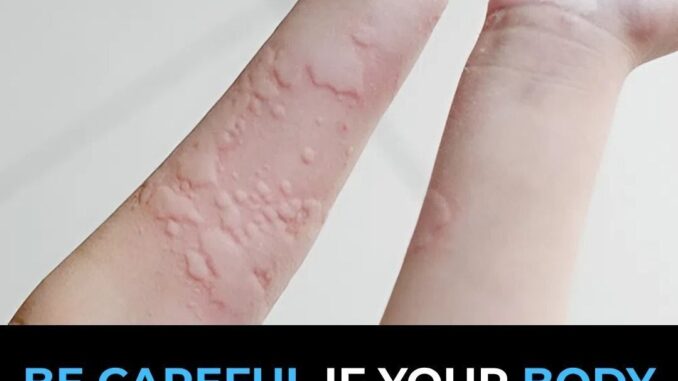
Many people tend to overlook skin reactions, assuming they are minor inconveniences that will fade away on their own. A sudden rash, some itching, or slight swelling is often brushed off as a temporary irritation caused by food, weather, or stress. While this is true in many cases, there are situations where these visible signs are not as harmless as they seem. In fact, when skin symptoms appear alongside breathing difficulties or other physical changes, they may indicate a serious medical condition that requires immediate attention.
Our bodies often send early warning signals when something is wrong, and the skin is one of the first places where these signals become visible. However, recognizing when a reaction is harmless and when it is potentially dangerous can make a life-saving difference.
Understanding Common Skin Reactions
One of the most frequent skin responses linked to allergic reactions is the appearance of hives, medically known as urticaria. These are raised, red or pink patches that may itch intensely and can vary in size and shape. Sometimes they appear in small clusters, while other times they spread across large areas of the body.
Hives can develop quickly and may disappear just as suddenly. In many cases, they are caused by mild allergic reactions, stress, temperature changes, or even unknown triggers. When they occur alone and without other symptoms, they are often not dangerous and can be managed with basic care or over-the-counter treatments.
However, the situation changes significantly when hives are accompanied by additional symptoms, especially those affecting breathing or circulation.
When Symptoms Become a Warning Sign
The presence of hives together with breathing difficulties should never be ignored. This combination can signal a severe allergic reaction that is affecting multiple systems in the body. Unlike mild reactions that remain localized to the skin, more serious responses involve the respiratory and cardiovascular systems, making them far more dangerous.
Key warning signs to watch for include:
- Difficulty breathing or shortness of breath
- Wheezing or a whistling sound when inhaling
- Tightness in the chest or throat
- Swelling of the lips, tongue, or face
- Rapid or irregular heartbeat
- Dizziness or confusion
- Feeling faint or losing consciousness
When these symptoms appear alongside a skin reaction, it may indicate a condition known as a severe allergic response. This type of reaction can progress rapidly and requires immediate medical attention.
What Triggers Severe Allergic Reactions?
Severe allergic responses can be triggered by a wide range of substances, and sometimes even by factors that a person has previously tolerated without any issues. Some of the most common triggers include:
- Certain foods such as nuts, seafood, dairy products, or eggs
- Medications, including antibiotics and pain relievers
- Insect stings from bees, wasps, or other insects
- Materials like latex
- Environmental factors such as pollen or animal dander
It is important to note that not everyone is aware of their sensitivities. In some cases, a person may experience a serious reaction for the first time without any prior history of allergies. This unpredictability makes it even more important to take symptoms seriously when they arise.
Why Immediate Action Matters
One of the biggest risks in these situations is delay. People often assume their symptoms will pass, especially if they have experienced mild reactions before. Unfortunately, severe allergic responses can escalate very quickly, sometimes within minutes.
As the reaction progresses, swelling in the throat can block the airway, making it difficult or impossible to breathe. Blood pressure may drop suddenly, leading to dizziness or collapse. Without prompt treatment, the situation can become life-threatening.
This is why recognizing the signs early and acting without hesitation is critical. Waiting too long can significantly increase the risk of complications.
What to Do in an Emergency
If someone shows signs of a severe allergic reaction—particularly hives combined with breathing problems—immediate action is necessary.
Here are the essential steps to take:
- Call emergency services right away.
Do not wait to see if symptoms improve. Professional medical help is crucial. - Use an epinephrine auto-injector if available.
Devices like this are designed to quickly counteract severe allergic reactions. They should be used as soon as symptoms appear. - Keep the person lying down.
This helps maintain blood flow and prevents sudden drops in blood pressure. - Loosen tight clothing and ensure fresh air.
This can help reduce discomfort and support breathing. - Stay with the person and monitor their condition.
Watch for any changes until medical professionals arrive.
Even if symptoms seem to improve after initial treatment, medical evaluation is still necessary. Reactions can sometimes return after a short period.
Differentiating Mild and Serious Reactions
Not all skin reactions are dangerous, and understanding the difference can help avoid unnecessary panic while still ensuring safety.
Mild reactions typically involve:
- Localized itching or redness
- Small patches of rash
- No breathing or systemic symptoms
Serious reactions often include:
- Widespread hives
- Swelling in sensitive areas like the face or throat
- Breathing difficulties
- Changes in heart rate or consciousness
The key factor that separates a mild reaction from a dangerous one is the involvement of breathing and other body systems. When symptoms go beyond the skin, the situation should always be treated with urgency.
Prevention and Awareness
While it is not always possible to prevent allergic reactions entirely, awareness plays a major role in reducing risk. Individuals who know they have allergies should take precautions such as:
- Avoiding known triggers
- Carrying emergency medication if prescribed
- Informing friends, family, or coworkers about their condition
- Wearing medical identification if necessary
For those who have never experienced a severe reaction, staying informed about the warning signs is equally important. Being able to recognize when something is wrong can help ensure a faster response and better outcome.
Final Thoughts
Skin reactions may seem minor at first glance, but they can sometimes be the body’s way of signaling a much deeper issue. While many rashes and irritations are harmless, the combination of skin symptoms with breathing difficulties should always be taken seriously.
Understanding the difference between a mild reaction and a potentially life-threatening one is essential. Acting quickly, seeking medical help, and knowing what steps to take can make a critical difference.
In the end, it is always better to be cautious. When it comes to health, especially in situations that can escalate rapidly, paying attention to warning signs and responding promptly can save lives.
Leave a Reply