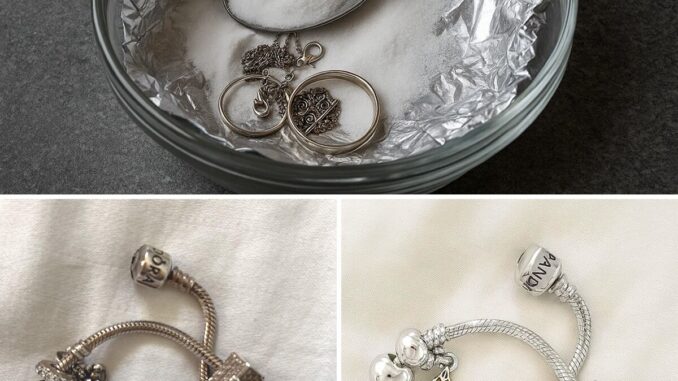
Silver has long been admired for its beauty, elegance, and timeless appeal. Whether it’s a treasured family heirloom, a favorite bracelet, a decorative serving tray, or a cherished charm bracelet, silver items often hold both monetary and sentimental value.
However, anyone who owns silver knows that over time it can lose its bright appearance. What was once shiny and reflective may gradually develop a darker, duller surface known as tarnish. This natural process often leaves people wondering whether there is a safe and affordable way to restore the original shine without relying on harsh cleaning products.
The good news is that many homeowners have successfully used simple household ingredients to help clean silver and bring back some of its natural brilliance. These methods are popular because they are inexpensive, easy to perform, and require items that are often already available in the kitchen.
If you’ve ever looked at a piece of silver jewelry and wished it looked as bright as the day you bought it, this guide will walk you through a gentle homemade cleaning approach, explain why silver tarnishes, and share helpful tips for maintaining your favorite pieces for years to come.
Why Does Silver Tarnish?
Before discussing cleaning methods, it’s useful to understand what tarnish actually is.
Contrary to what many people believe, tarnish is not dirt.
Silver naturally reacts with sulfur-containing compounds found in the air. Over time, this reaction creates a dark coating on the surface of the metal.
Several factors can speed up the tarnishing process, including:
- Humidity
- Air pollution
- Exposure to certain cosmetics
- Household cleaning products
- Perfumes and lotions
- Sweat and body oils
- Improper storage
The more frequently silver is exposed to these elements, the faster tarnish may develop.
Fortunately, tarnish usually affects only the surface layer of the silver, which is why many cleaning methods can help improve its appearance.
A Popular Homemade Silver-Cleaning Method
One of the most widely discussed household techniques involves a combination of warm water, baking soda, and aluminum foil.
Many people prefer this approach because it avoids abrasive scrubbing and does not require specialized cleaning products.
What You’ll Need
- A bowl or container
- Aluminum foil
- Warm water
- Baking soda
- A soft microfiber cloth
Step 1: Prepare the Container
Line the inside of a bowl or container with aluminum foil.
The shiny side can face upward, although many people report success regardless of which side is exposed.
Step 2: Add Warm Water
Fill the container with enough warm water to fully cover the silver item.
Avoid extremely hot water, particularly when cleaning delicate jewelry that may contain adhesives, decorative finishes, or gemstones.
Step 3: Add Baking Soda
Add a few tablespoons of baking soda and stir gently until it dissolves.
The exact amount may vary depending on the size of the container.
Step 4: Place the Silver Item Inside
Carefully place the silver item into the solution, ensuring it makes contact with the aluminum foil whenever possible.
Many people report seeing noticeable improvements within several minutes.
Step 5: Remove and Rinse
After allowing the item to soak, remove it carefully and rinse it with clean water.
Step 6: Dry and Polish
Use a soft microfiber cloth to dry the item completely and gently polish the surface.
This final step often helps restore shine and remove any remaining residue.
Why This Method Is Popular
Many silver owners appreciate this technique because it relies on common household materials rather than specialized chemical cleaners.
Additionally, it generally requires minimal scrubbing, which can be helpful for intricate designs that are difficult to clean with a cloth alone.
The method is frequently recommended for decorative silver pieces, utensils, and certain types of silver jewelry.
However, it is always wise to research the specific item you’re cleaning before trying any method.
Can This Method Be Used on Jewelry?
Many people use gentle cleaning methods for silver jewelry, including:
However, not all jewelry is made entirely of silver.
Some pieces include:
- Gemstones
- Decorative coatings
- Enamel details
- Adhesives
- Mixed metals
These materials may require special care.
If you’re unsure about the construction of a jewelry item, consult the manufacturer’s care recommendations before attempting any cleaning method.
This is particularly important for collectible jewelry and pieces with delicate decorative elements.
Caring for Charm Bracelets and Designer Jewelry
Charm bracelets have become especially popular because they allow wearers to personalize their jewelry with meaningful symbols and memories.
Because these bracelets often include multiple materials and intricate details, gentle care is important.
Experts generally recommend:
- Cleaning jewelry regularly
- Avoiding harsh chemicals
- Removing jewelry before swimming
- Avoiding prolonged exposure to perfumes and lotions
- Storing pieces properly when not in use
Regular maintenance may help reduce tarnish buildup and keep jewelry looking its best.
Other Gentle Cleaning Options
While baking soda methods are widely known, they are not the only approach available.
Some people prefer:
Mild Soap and Water
A few drops of gentle dish soap mixed with warm water can help remove oils and everyday residue.
Silver Polishing Cloths
Specialized polishing cloths are designed specifically for silver care and are often easy to use.
Professional Jewelry Cleaners
Many jewelers offer cleaning services and can recommend products suitable for specific items.
Choosing the right method depends on the age, condition, and design of the piece.
Storage Matters More Than Many People Realize
One of the best ways to reduce tarnish is proper storage.
Silver tarnishes more slowly when protected from moisture and air exposure.
Helpful storage tips include:
- Keeping silver in a dry environment
- Using anti-tarnish storage bags
- Storing pieces separately to prevent scratches
- Avoiding humid locations such as bathrooms
- Using soft pouches for delicate jewelry
Taking a few extra minutes to store silver correctly can significantly reduce future cleaning needs.
Common Mistakes to Avoid
Many people unintentionally damage silver by using cleaning methods that are too aggressive.
Avoid:
- Abrasive brushes
- Steel wool
- Harsh scrubbing pads
- Strong household cleaners
- Bleach-based products
These materials may scratch surfaces or affect delicate details.
Gentle cleaning is usually the safest approach.
When Professional Help Is Best
Some silver items are highly valuable, antique, or unusually delicate.
Examples include:
- Family heirlooms
- Antique silverware
- Vintage jewelry
- Collectible pieces
- Items with rare gemstones
In these cases, professional cleaning may be the safest option.
A trained jeweler or restoration specialist can evaluate the condition of the item and recommend appropriate care.
The Appeal of Homemade Solutions
One reason homemade silver-cleaning techniques remain popular is their simplicity.
People appreciate practical solutions that use everyday ingredients and don’t require expensive products.
While no cleaning method works perfectly for every situation, many homeowners enjoy experimenting with gentle approaches that help maintain the appearance of treasured items.
The key is always to proceed carefully and understand the materials involved.
Final Thoughts
Silver naturally develops tarnish over time, but that doesn’t mean your favorite pieces have lost their beauty forever.
With proper care, gentle cleaning methods, and thoughtful storage practices, many silver items can continue looking attractive for years to come.
Whether you’re caring for a family heirloom, a decorative silver piece, or a beloved charm bracelet, regular maintenance can make a noticeable difference.
Simple household techniques using warm water, baking soda, and careful polishing have become popular because they are affordable, convenient, and easy to try at home.
Most importantly, remember that every piece of silver tells a story.
It may represent a special occasion, a meaningful gift, or a treasured memory.
Taking the time to care for these items helps preserve not only their appearance but also the memories attached to them.
A little attention today can help your favorite silver pieces continue shining for many years to come.
Leave a Reply