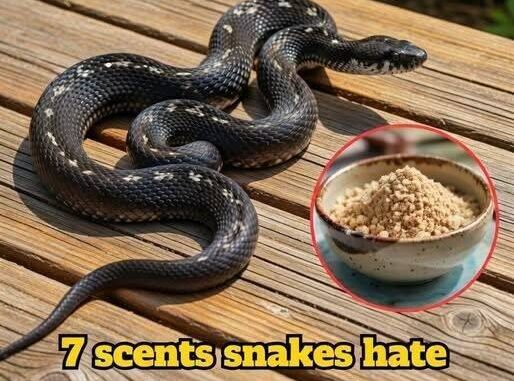
Why People Look for Natural Snake Deterrents
Snakes are part of nature, and they play an important role in the environment. They help control pests such as mice, rats, insects, and other small animals. In many ways, they help keep outdoor spaces balanced.
Still, most people do not want to find a snake near their home, garage, garden, porch, or outdoor sitting area.
Even when a snake is harmless, seeing one unexpectedly can be stressful. Because of this, many homeowners look for simple and natural ways to make their yard less attractive to snakes.
One popular idea is using strong scents. Since snakes rely heavily on smell and chemical signals, certain odors may make some areas less appealing to them.
However, it is important to understand one thing clearly: no smell can fully guarantee that snakes will stay away. Natural scents may help, but they work best when combined with good yard care and safe prevention steps.
How Snakes Use Smell
Snakes do not experience the world the same way humans do.
They use their tongues to collect scent particles from the air and ground. These particles help them understand what is around them, including food, danger, shelter, and possible hiding places.
That is why snakes often flick their tongues.
They are not doing it randomly. They are gathering information from their surroundings.
Because scent is so important to snakes, strong smells may sometimes make an area feel less comfortable for them. This is why some people use natural oils, vinegar, garlic, or other strong odors around outdoor spaces.
Ammonia and Strong Odors
Ammonia is sometimes mentioned as a snake deterrent because of its strong smell.
Some people believe the odor may discourage snakes from staying near certain areas, such as sheds, crawl spaces, or outdoor storage spots.
However, ammonia should be handled carefully. It has a very strong smell and can be unsafe for children, pets, and other animals if used carelessly. It should also never be mixed with other cleaning products.
Because of these safety concerns, many homeowners prefer gentler options or choose to focus more on yard cleanup and sealing entry points.
Ammonia may create an unpleasant smell, but it is not a permanent solution. It can fade quickly, especially outdoors, and may need repeated use to remain noticeable.
Essential Oils People Often Use
Some homeowners use essential oils with strong scents.
Popular options include cinnamon oil, clove oil, and citrus-based oils. These scents are powerful and may make certain areas less appealing to snakes for a short time.
They are often used around outdoor edges, garden areas, patios, or near possible entry points.
Still, essential oils are not a complete solution. Rain, wind, sunlight, and time can reduce their strength. They may need to be reapplied, and they should always be used carefully around pets and children.
Natural does not always mean risk-free, so it is important to follow product instructions and avoid using too much.
Garlic, Onion, Vinegar, and Citrus Peels
Other natural items people use include garlic, onion, vinegar, and citrus peels.
These have strong smells that some homeowners believe may help make an area less inviting to snakes. They are simple, affordable, and easy to find.
For example, citrus peels may be placed in garden areas, while vinegar is sometimes used around outdoor spaces where people want to reduce unwanted animal activity.
However, the results can vary.
Some people may notice fewer snake sightings, while others may not see much difference. These methods should be viewed as extra support, not a guaranteed fix.
The Most Important Step: Remove Hiding Places
The best way to reduce snake visits is to make your yard less attractive to them.
Snakes usually look for three things: food, shelter, and safety.
If your yard has tall grass, piles of wood, old boards, clutter, thick bushes, or dark hiding spots, snakes may be more likely to pass through or stay nearby.
Simple yard maintenance can make a big difference.
Keep grass trimmed. Remove piles of leaves, branches, and unused materials. Store firewood away from the house and keep it raised off the ground if possible. Clear clutter near fences, sheds, and garages.
A clean, open yard gives snakes fewer places to hide.
Reduce Food Sources
Snakes often go where food is available.
If your property has many rodents, insects, or small animals, it may attract snakes naturally.
To help reduce this, keep trash sealed, avoid leaving pet food outside, and fix areas where rodents may enter sheds, garages, or basements.
If you notice signs of mice or rats, handling that issue may also reduce the chance of snakes coming nearby.
Snakes are often following the food source, not the people.
Seal Entry Points Around the Home
Another important step is sealing small openings around your house.
Snakes can move through surprisingly small gaps. Check around doors, vents, basement windows, garages, pipes, and foundation cracks.
If you find openings, seal them properly.
This is especially important for sheds, crawl spaces, and garages because these areas can be dark, quiet, and comfortable for wildlife.
Keeping these spaces secure can help prevent unwanted surprises.
Respecting Snakes Safely
Even though many people fear snakes, most snakes prefer to avoid humans.
They usually do not want contact and will move away if given space.
If you see a snake, do not try to touch it or move it yourself, especially if you do not know what type it is. Keep children and pets away, and contact local wildlife control if needed.
The goal should be prevention, not harm.
Snakes have a role in nature, and safe, non-harmful methods are the best choice.
Final Thoughts
Natural scents like cinnamon, clove oil, citrus, garlic, vinegar, and other strong smells may help make certain areas less attractive to snakes.
But scents alone are not enough.
The most effective approach is to keep your yard clean, remove hiding places, reduce food sources, seal entry points, and stay aware of your surroundings.
A strong smell may help for a short time, but a well-maintained property is usually much more effective.
In the end, keeping snakes away is not about one magic solution.
It is about creating an outdoor space that feels less inviting to them and safer for you.
Leave a Reply