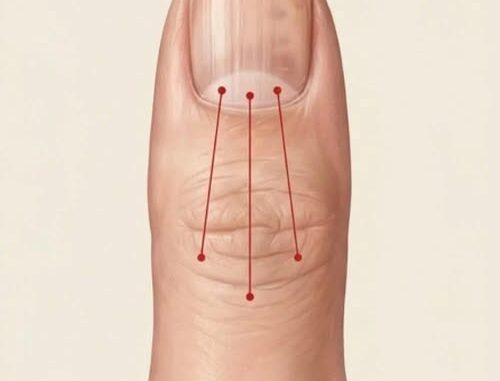
Many people think of nails as purely cosmetic, but changes in nail appearance can sometimes provide clues about overall health. Small ridges, brittleness, discoloration, or unusual texture changes are often harmless and linked to aging or daily habits. However, in some cases, persistent nail changes may reflect underlying conditions such as hormonal imbalances, nutritional deficiencies, or thyroid disorders.
While nail changes alone are rarely enough to diagnose a medical condition, they can occasionally serve as early signals that something in the body deserves closer attention.
Why Nails Reflect Overall Health
Nails are made from layers of a protein called keratin and grow from living tissue beneath the skin. Because nail growth depends on circulation, nutrition, and hormone balance, changes within the body can sometimes influence how nails appear over time.
Factors that may affect nail health include:
- Aging
- Hydration levels
- Nutrition
- Hormonal changes
- Medical conditions
- Frequent exposure to chemicals or water
- Stress and lifestyle habits
Doctors often explain that nails can act like small “health mirrors,” reflecting changes occurring internally.
Understanding Nail Ridges
One of the most common nail concerns involves ridges running along the nail surface.
Vertical Ridges
Vertical ridges — lines running from the cuticle to the tip of the nail — are extremely common. In many cases, they are harmless and become more noticeable with age.
Other possible contributors include:
- Mild dehydration
- Frequent handwashing
- Dry skin
- Minor nail trauma
- Repeated exposure to cleaning products
These ridges are often considered a normal part of aging and usually do not indicate serious illness by themselves.
Horizontal Ridges
Horizontal ridges, sometimes called Beau’s lines, may occasionally appear after illness, high fever, severe stress, or disruptions affecting nail growth. These changes sometimes deserve medical evaluation, especially if they appear suddenly or across multiple nails.
The Thyroid’s Role in Nail Health
One condition sometimes associated with nail changes involves the Thyroid Disease.
The thyroid gland, located in the neck, plays a major role in regulating:
- Metabolism
- Energy levels
- Body temperature
- Heart rate
- Hormone balance
When thyroid hormone levels become too low or too high, the effects may appear throughout the body — including the skin, hair, and nails.
Nail Changes Linked to Hypothyroidism
Hypothyroidism occurs when the thyroid gland does not produce enough hormones.
This condition may slow many body processes and contribute to symptoms such as:
- Fatigue
- Weight gain
- Dry skin
- Hair thinning
- Sensitivity to cold
- Constipation
Nail-related changes may include:
- Brittle nails
- Slow nail growth
- Splitting nails
- Dryness
- More visible ridges
Some people notice their nails breaking more easily during everyday activities.
Nail Changes Associated With Hyperthyroidism
Hyperthyroidism occurs when the thyroid produces excessive hormone levels.
Common symptoms may include:
- Nervousness
- Rapid heartbeat
- Sweating
- Trouble sleeping
- Weight loss
- Trembling hands
Nail symptoms sometimes associated with hyperthyroidism include:
- Softer nails
- Thinning nails
- Increased brittleness
- Partial separation of the nail from the nail bed
However, doctors emphasize that thyroid-related nail symptoms usually appear alongside several other physical signs rather than alone.
Nail Changes Are Not Always Serious
It is important to remember that most nail ridges are harmless.
Aging alone commonly causes nails to become:
- More brittle
- Slightly ridged
- Drier
- Slower-growing
Lifestyle habits such as repeated handwashing, harsh cleaning chemicals, nail polish removers, or dehydration can also affect nail appearance significantly.
Because of this, healthcare professionals caution against assuming the worst based solely on nail texture.
Other Possible Causes of Nail Changes
Besides thyroid issues, nail changes may sometimes relate to:
- Iron deficiency
- Vitamin deficiencies
- Skin conditions
- Poor circulation
- Stress
- Fungal infections
- Autoimmune disorders
Proper medical evaluation is important when symptoms become persistent, severe, or appear alongside other health concerns.
When to Consider Medical Advice
Doctors generally recommend medical evaluation if nail changes occur together with symptoms such as:
- Ongoing fatigue
- Sudden weight changes
- Hair loss
- Dry or irritated skin
- Temperature sensitivity
- Persistent weakness
- Rapid heartbeat
- Anxiety or mood changes
Healthcare providers can perform simple blood tests to evaluate thyroid function and determine whether hormone imbalance may be contributing to symptoms.
Supporting Healthier Nails Naturally
Daily habits can play a major role in maintaining stronger, healthier nails.
Stay Hydrated
Adequate water intake supports nail flexibility and reduces dryness.
Protect Nails During Cleaning
Wearing gloves while using chemicals or washing dishes may help prevent brittleness.
Eat a Balanced Diet
Nutrients important for nail health include:
- Protein
- Iron
- Zinc
- Biotin
- Vitamins A, C, and D
Moisturize Hands and Cuticles
Keeping nails and surrounding skin hydrated may reduce splitting and cracking.
Why Paying Attention to Small Changes Matters
The body often provides subtle signals before larger health issues become noticeable. While nail ridges alone rarely indicate serious illness, persistent changes combined with other symptoms may offer useful clues about overall wellness.
Doctors frequently encourage people to pay attention to patterns rather than isolated symptoms.
Conclusion
Ridges, brittleness, and changes in nail texture are extremely common and often harmless. Aging, dehydration, daily habits, and environmental exposure are among the most frequent causes.
However, because nails reflect processes happening inside the body, certain persistent changes may occasionally be linked to conditions such as thyroid disorders or nutritional imbalances.
The most important approach is balance — avoiding unnecessary fear while still paying attention to ongoing changes that may deserve medical evaluation.
Sometimes even small details, like changes in the nails, can quietly remind us to take better care of our overall health and well-being.
Leave a Reply