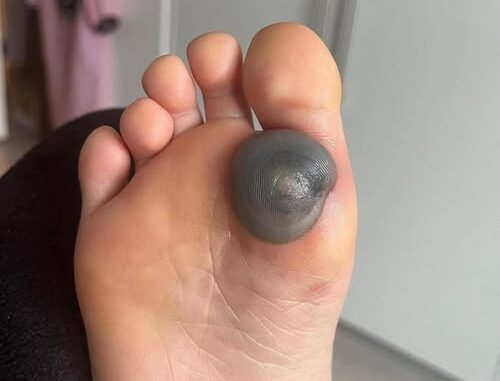
Blood blisters have a way of getting your attention immediately.
One moment your skin appears perfectly normal. The next, a dark, swollen bubble suddenly appears, often looking far more alarming than the injury that caused it. The deep red, purple, or almost black coloration can make people wonder whether they are dealing with a simple injury or something much more serious.
In most cases, the answer is reassuring.
Blood blisters are usually harmless and heal on their own.
However, there are situations when they may signal an underlying health issue that deserves medical attention.
Understanding the difference can help you know when to relax—and when to take action.
What Exactly Is a Blood Blister?
A blood blister forms when small blood vessels beneath the skin become damaged but the outer layer of skin remains intact.
Instead of bleeding externally, the blood becomes trapped beneath the skin, creating a raised pocket filled with blood and fluid.
Unlike ordinary blisters, which are typically filled with clear fluid, blood blisters contain blood that gives them their distinctive dark appearance.
They often appear red, purple, maroon, or nearly black depending on how much blood is trapped beneath the skin.
While their appearance can be dramatic, blood blisters are usually the body’s natural response to injury.
Common Causes of Blood Blisters
Most blood blisters develop after sudden pressure, friction, or trauma.
Common causes include:
• Pinching a finger in a door
• Wearing tight or poorly fitting shoes
• Repetitive rubbing during sports or exercise
• Heavy lifting
• Hand tool u
• Minor burns
• Impact injuries
Athletes, runners, hikers, construction workers, and people who spend long hours on their feet are especially prone to developing blood blisters.
The feet, hands, fingers, and toes are among the most common locations.
Why They Look So Scary
Part of what makes blood blisters alarming is their color.
Unlike a regular blister filled with clear fluid, blood trapped beneath the skin creates a dark appearance that can look severe even when the injury itself is minor.
As the trapped blood ages, the color may change from bright red to deep purple, brown, or black.
This process is normal and usually reflects the body’s natural healing response.
Although they often look worse than they feel, blood blisters can still be painful, especially when located in areas exposed to pressure or movement.
Should You Pop a Blood Blister?
In most situations, medical experts recommend leaving blood blisters alone.
The skin covering the blister acts as a natural protective barrier against bacteria and infection.
Puncturing or popping the blister increases the risk of introducing germs into the wound.
Instead, it is generally best to:
• Keep the area clean
• Protect it with a bandage if necessary
• Avoid further friction or pressure
• Allow the blister to heal naturally
Over time, the body gradually reabsorbs the trapped blood and new skin forms underneath.
Most uncomplicated blood blisters heal within one to two weeks.
Helping the Healing Process
Simple self-care can promote faster and more comfortable healing.
Recommended steps include:
• Wearing comfortable footwear if the blister is on the foot
• Using protective padding around the area
• Keeping the skin clean and dry
• Avoiding activities that worsen irritation
• Monitoring for signs of infection
If the blister accidentally bursts, gently clean the area with soap and water and apply a clean dressing.
The Importance of Paying Attention
While most blood blisters are harmless, they can occasionally serve as warning signs.
Healthcare professionals pay particular attention when blood blisters:
• Appear repeatedly
• Develop without obvious injury
• Heal very slowly
• Occur alongside other unusual symptoms
• Appear in multiple locations simultaneously
In these situations, further medical evaluation may be warranted.
Possible Underlying Conditions
Repeated or unexplained blood blisters can sometimes be associated with medical conditions affecting circulation, blood vessels, or blood clotting.
Examples may include:
• Diabetes
• Peripheral vascular disease
• Circulatory disorders
• Certain autoimmune conditions
• Platelet abnormalities
• Blood clotting disorders
People with diabetes should pay especially close attention to any foot injuries, including blood blisters, because reduced circulation and nerve damage can increase the risk of complications.
Warning Signs That Require Medical Attention
A blood blister deserves prompt evaluation if it becomes:
• Increasingly painful
• Red or swollen
• Warm to the touch
• Filled with pus
• Surrounded by red streaks
• Associated with fever
These signs may indicate infection, which requires medical treatment.
Likewise, blisters that appear suddenly without any clear cause should be assessed by a healthcare professional.
Your Skin Can Be an Early Warning System
The skin often provides valuable clues about overall health.
Changes that seem minor on the surface can occasionally reflect problems developing deeper within the body.
That’s why healthcare providers encourage people not to ignore persistent or unusual skin changes.
While most blood blisters are simply the result of friction or injury, patterns matter.
A single blister after a long hike is very different from recurring blisters that appear for no obvious reason.
The Bottom Line
Blood blisters may look dramatic, but most are nothing more than the body’s natural response to pressure or trauma.
Given time, they typically dry, flatten, and disappear without causing lasting problems.
The best approach is usually simple:
Protect them.
Keep them clean.
Avoid popping them.
Allow them to heal naturally.
At the same time, pay attention to what your body is telling you.
If blood blisters appear repeatedly, heal poorly, become infected, or occur without a clear explanation, they may be signaling something that deserves further investigation.
Most blood blisters are harmless.
But when they begin breaking the usual rules, they’re worth taking seriously.
Sometimes your skin is simply healing.
Other times, it’s trying to get your attention.
Leave a Reply