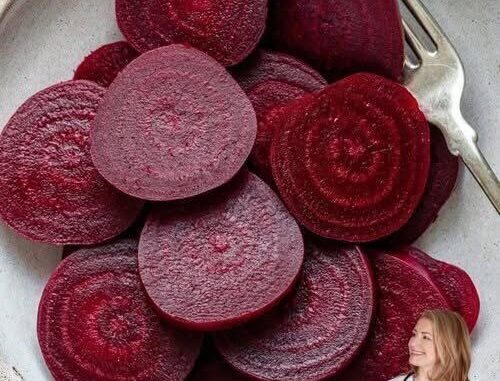
Beets have gained attention in recent years for more than just their bright color. According to nutrition experts and doctors, this naturally sweet root vegetable contains a unique combination of nutrients that may support circulation, digestion, energy levels, and overall wellness when included regularly in a balanced diet.
One of the biggest reasons beets are often described as a “superfood” is their naturally high nitrate content. Inside the body, these nitrates are converted into nitric oxide, a compound that helps relax and widen blood vessels. Better blood flow can improve oxygen delivery throughout the body and reduce strain on the cardiovascular system.
Because of this effect, many athletes drink beet juice before workouts to support endurance and stamina. Improved circulation may also help some people feel more energized during daily activities. Doctors note that healthy blood flow plays an important role in heart health, muscle performance, and even mental clarity as people age.
Beets are also rich in dietary fiber, which supports digestive health and helps the body maintain steadier energy levels. Fiber slows digestion and helps regulate how quickly sugar enters the bloodstream after meals. This may help reduce sudden energy crashes and support better appetite control throughout the day.
In addition, fiber feeds beneficial gut bacteria, which are increasingly linked to immune function, mood regulation, and reduced inflammation in the body. Unlike heavily processed sugary foods, the natural sweetness found in beets comes packaged with nutrients that support long-term health rather than empty calories.
Another important component of beets is a group of plant compounds called betalains. These deep red and purple pigments act as antioxidants and may help protect cells from oxidative stress. Researchers continue studying how these compounds support the body’s natural inflammatory response and overall cellular health.
Some doctors also point out that the liver benefits indirectly from nutrient-rich foods like beets. While claims about “detox cleanses” are often exaggerated, nutrients found in whole foods can support the body’s normal detoxification systems naturally. The liver and kidneys already perform this function continuously, and balanced nutrition helps those systems operate effectively.
Beets also provide several important vitamins and minerals that contribute to everyday wellness. They contain folate, which supports cell repair and healthy tissue growth, along with potassium, which helps regulate fluid balance and muscle function. Iron found in beets contributes to oxygen transport in the blood, while manganese supports metabolism and bone health.
Many people enjoy beets roasted, blended into smoothies, shredded into salads, or added to soups. Their earthy flavor pairs well with citrus, goat cheese, nuts, and leafy greens, making them a versatile ingredient in many meals.
Despite their benefits, doctors caution against viewing beets as a miracle cure. Eating beets alone will not instantly lower weight, reverse disease, or replace medical treatment. Health improvements usually come from consistent long-term habits rather than single foods.
Beet juice also deserves some caution. While it contains concentrated nutrients, it lacks much of the fiber found in whole beets and may cause quicker blood sugar spikes in some individuals. Moderation remains important, especially for people managing blood sugar conditions.
Some people may also notice red or pink urine after eating beets. This harmless effect, sometimes called beeturia, can look alarming at first but is usually completely normal.
Doctors additionally advise that individuals prone to kidney stones should monitor high intake of foods rich in oxalates, including beets. People taking blood pressure medications may also want to speak with a healthcare professional before consuming large amounts of concentrated beet juice because of its circulation-related effects.
What makes beets especially valuable is not any single dramatic claim, but the steady support they may offer when eaten regularly as part of a nutritious lifestyle. Their combination of fiber, antioxidants, nitrates, and essential minerals creates benefits that work gradually over time.
In many ways, beets represent what good nutrition actually looks like: simple foods consistently supporting the body in quiet but meaningful ways. Rather than relying on extreme diets or trendy cleanses, doctors often emphasize balanced eating patterns built around nutrient-dense whole foods like vegetables, fruits, legumes, and healthy proteins.
The growing popularity of beets reflects a broader understanding that small daily choices can contribute significantly to long-term health. Whether added to salads, roasted alongside vegetables, or blended into smoothies, beets offer a practical and flavorful way to support overall wellness naturally.
Ultimately, the real “beetroot upgrade” is not about instant transformation. It is about giving the body nutrients that help support circulation, digestion, energy, and recovery over time. While no food is magical on its own, doctors agree that consistent healthy habits—including nutrient-rich foods like beets—can make a meaningful difference in how people feel and function every day.
Leave a Reply