Sleep plays a major role in overall health and well-being. While most people focus on how many hours they sleep, researchers also study how sleeping position may influence comfort, digestion, breathing, and body alignment.
One of the most common questions involves side sleeping—particularly whether sleeping on the right side or left side is better for the body.
The truth is that no single sleeping position works perfectly for everyone. However, certain positions may affect specific health conditions differently. Understanding how the body responds during sleep can help people make more comfortable and informed choices.
Why Sleeping Position Matters
During sleep, the body continues performing important functions including digestion, circulation, muscle recovery, and breathing regulation.
The position you sleep in can influence:
- Spinal alignment
- Pressure on joints and muscles
- Breathing patterns
- Acid reflux symptoms
- Blood circulation
- Digestive comfort
For many people, side sleeping is considered one of the more comfortable and practical positions because it may reduce snoring and support spinal alignment when done properly.
However, the right side and left side can affect the body differently.
How Sleeping on the Right Side Affects the Body
Sleeping on the right side is common and comfortable for many individuals. In most cases, it is not harmful. However, depending on a person’s health condition, it may contribute to certain types of discomfort.
Possible Increase in Acid Reflux Symptoms
One of the most discussed concerns involves acid reflux or heartburn.
The stomach naturally produces acid to help digest food. When lying down, gravity no longer helps keep stomach contents in place as effectively.
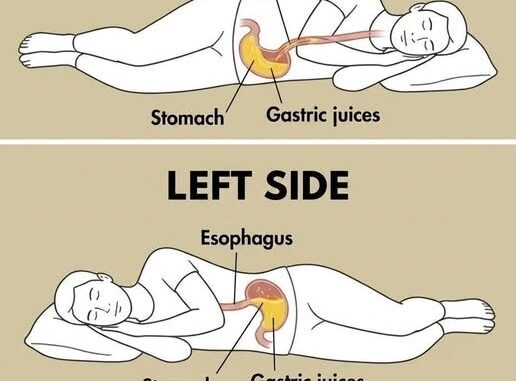
Some studies suggest that sleeping on the right side may allow stomach acid to move more easily toward the esophagus in certain individuals, potentially increasing symptoms of:
- Heartburn
- Acid reflux
- Chest discomfort
- Bitter taste in the mouth
For people with gastroesophageal reflux disease (GERD), healthcare professionals sometimes recommend trying the left side to see if symptoms improve.
Pressure on the Shoulder and Hip
Sleeping on one side for long periods may place pressure on joints and muscles.
When sleeping on the right side, pressure may build on the:
- Right shoulder
- Right hip
- Arm and neck muscles
This can occasionally lead to temporary stiffness or discomfort, especially if the mattress or pillow does not provide adequate support.
People with existing shoulder pain or joint conditions may notice these effects more strongly.
Potential Effects on Circulation
In some situations, sleeping position can influence circulation and body comfort.
Pregnant women, for example, are often advised to sleep on the left side because it may support blood flow more efficiently between the heart, uterus, and kidneys.
While sleeping on the right side is not automatically dangerous during pregnancy, some healthcare providers recommend alternating positions for improved circulation and comfort.
Individuals with certain heart conditions may also receive personalized sleep-position recommendations from their doctors.
Snoring and Breathing Considerations
For some people, side sleeping can improve airflow compared to sleeping flat on the back.
However, the effect may vary depending on body structure, nasal congestion, sleep apnea, and mattress support.
Some individuals notice reduced snoring when sleeping on one side versus the other, though this differs from person to person.
People experiencing chronic snoring or interrupted breathing during sleep should consult a healthcare professional for proper evaluation.
Is Sleeping on the Left Side Better?
Many articles and social media posts strongly promote left-side sleeping, but it is important to maintain balance and avoid exaggeration.
Some potential benefits associated with left-side sleeping may include:
- Reduced acid reflux symptoms
- Improved digestion comfort for some individuals
- Support for circulation during pregnancy
- Reduced pressure on certain organs
However, this does not mean the right side is “bad” or dangerous for everyone.
The best sleeping position often depends on:
- Individual comfort
- Existing medical conditions
- Mattress and pillow support
- Body alignment
- Personal sleep habits
The Importance of Proper Sleep Support
Regardless of sleeping side, proper support plays a major role in sleep quality.
A supportive mattress and pillow can help maintain healthy alignment of the:
- Neck
- Spine
- Shoulders
- Hips
Experts often recommend placing a pillow between the knees while side sleeping to reduce pressure on the lower back and hips.
Replacing worn-out pillows and mattresses may also improve comfort significantly.
Tips for More Comfortable Side Sleeping
People who prefer sleeping on their side can improve comfort by following a few simple habits:
Use a Supportive Pillow
A pillow should keep the neck aligned with the spine without tilting the head too far upward or downward.
Avoid Sleeping in One Position All Night
Changing positions occasionally during sleep may help reduce stiffness and pressure buildup.
Maintain Good Sleep Hygiene
Comfortable room temperature, reduced screen exposure before bed, and consistent sleep schedules all contribute to better rest.
Monitor Persistent Symptoms
If certain positions regularly cause discomfort, acid reflux, numbness, or breathing issues, medical advice may help identify underlying causes.
Sleep Position and Overall Health
Researchers continue studying how sleep posture influences long-term health.
Although sleeping position can affect comfort and certain symptoms, it is only one piece of overall wellness.
Other important factors include:
- Sleep duration
- Stress management
- Nutrition
- Physical activity
- Hydration
- Medical conditions
Focusing on overall sleep quality is often more beneficial than worrying excessively about a single sleeping position.
A Balanced Perspective
The internet often presents dramatic claims suggesting that one sleeping side is harmful while the other is ideal. In reality, the body is more adaptable and individualized than many headlines suggest.
Sleeping on the right side is generally safe for most healthy individuals. However, certain people—especially those with acid reflux, pregnancy-related discomfort, or specific medical conditions—may benefit from adjusting positions.
The most important factor is finding a position that supports restful, comfortable sleep while minimizing pain or discomfort.
Conclusion
Sleeping position can influence digestion, circulation, breathing, and body comfort, but there is no universal “perfect” side for everyone.
For some individuals, sleeping on the right side may contribute to increased acid reflux or pressure-related discomfort. Others may sleep comfortably in that position for years without problems.
Understanding how your body responds—and making adjustments when necessary—can help improve sleep quality and overall well-being.
Good sleep is not just about where you sleep. It is about creating healthy habits that allow the body and mind to recover properly each night.
Leave a Reply