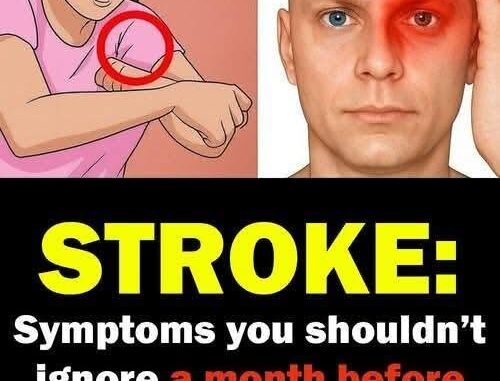
When people think about strokes, they often associate them with older adults. However, healthcare professionals emphasize that strokes can occur in adults of various ages, including younger individuals.
While age remains an important risk factor, lifestyle habits, underlying health conditions, genetics, and other medical factors can also influence stroke risk.
Understanding the warning signs of a stroke is important because prompt medical attention can significantly improve outcomes. Recognizing symptoms quickly and seeking emergency care may help reduce complications and improve recovery.
The good news is that many stroke warning signs are well documented and can be learned by anyone.
Knowing what to look for could help you respond appropriately if symptoms occur in yourself, a family member, a friend, or a coworker.
What Is a Stroke?
A stroke occurs when blood flow to part of the brain is interrupted or reduced.
Without adequate blood flow, brain cells can be damaged because they do not receive enough oxygen and nutrients.
Healthcare professionals generally categorize strokes into two primary types:
Ischemic Stroke
This is the most common type and occurs when a blood vessel supplying the brain becomes blocked.
Hemorrhagic Stroke
This type occurs when a blood vessel in the brain leaks or ruptures.
There is also a condition known as a transient ischemic attack (TIA), sometimes called a “mini-stroke,” which produces temporary symptoms but still requires immediate medical evaluation.
Why Quick Action Matters
Medical experts often describe stroke treatment as time-sensitive.
The sooner treatment begins, the greater the opportunity to reduce potential damage and improve recovery outcomes.
Because symptoms can sometimes appear suddenly, understanding the warning signs before an emergency occurs can be extremely valuable.
If stroke symptoms appear, emergency medical services should be contacted immediately.
Warning Sign #1: Sudden Weakness or Numbness
One of the most common stroke symptoms is sudden weakness or numbness on one side of the body.
This may affect:
- The face
- An arm
- A leg
- Multiple areas on the same side
Some people notice difficulty lifting an arm.
Others experience facial drooping or a sensation that one side of the body feels different than normal.
Even if symptoms improve quickly, medical evaluation remains important.
Facial Changes Can Be Important Clues
A person experiencing a stroke may show subtle facial changes.
Examples include:
- Uneven smiling
- Drooping on one side of the face
- Difficulty controlling facial muscles
These changes may occur suddenly and should never be ignored.
Warning Sign #2: Difficulty Speaking or Understanding Speech
Speech changes are another common warning sign.
Symptoms may include:
- Slurred speech
- Difficulty finding words
- Confusion during conversation
- Trouble understanding others
Sometimes the affected individual recognizes the problem immediately.
In other cases, family members or friends notice the change first.
Any sudden alteration in communication ability deserves prompt medical attention.
Communication Changes May Be Temporary
Some stroke symptoms may appear briefly before improving.
Even when symptoms disappear, medical evaluation is still important.
Temporary symptoms can indicate underlying issues that require immediate assessment.
Warning Sign #3: Sudden Vision Problems
Unexpected changes in vision may also occur.
These changes can affect:
- One eye
- Both eyes
Possible symptoms include:
- Blurred vision
- Double vision
- Partial vision loss
- Difficulty focusing
Because vision problems can have multiple causes, professional evaluation is necessary whenever sudden changes occur.
Vision and Brain Health
Many people do not immediately connect vision changes with neurological conditions.
However, the brain plays a central role in processing visual information.
Changes in vision can sometimes indicate that medical attention is needed.
Warning Sign #4: Sudden Trouble Walking or Maintaining Balance
The brain helps coordinate movement, balance, and spatial awareness.
When blood flow is disrupted, a person may suddenly experience:
- Dizziness
- Loss of balance
- Difficulty walking
- Lack of coordination
Some individuals describe feeling unusually unstable or disoriented.
These symptoms may appear suddenly and without an obvious explanation.
Prompt evaluation is important.
Why Balance Changes Matter
Balance problems are sometimes mistaken for fatigue, dehydration, or minor illness.
However, sudden and unexplained balance difficulties should always be taken seriously.
When combined with other symptoms, they may indicate a medical emergency.
Warning Sign #5: A Sudden Severe Headache
A sudden and unusually severe headache can sometimes accompany certain types of strokes.
The headache may feel different from typical headaches experienced previously.
Some individuals describe it as:
- Abrupt
- Intense
- Unusual
- Unlike previous headaches
A severe headache combined with neurological symptoms should be evaluated immediately by healthcare professionals.
The FAST Method
Healthcare organizations frequently promote the FAST method to help people remember key stroke warning signs.
F — Face Drooping
Ask the person to smile.
Does one side appear uneven?
A — Arm Weakness
Ask the person to raise both arms.
Does one drift downward?
S — Speech Difficulty
Listen for slurred or unusual speech.
T — Time to Call Emergency Services
If any of these symptoms are present, seek emergency medical help immediately.
FAST is simple, memorable, and can help people recognize stroke symptoms quickly.
Risk Factors Worth Understanding
While strokes can occur unexpectedly, certain factors may increase risk.
Common risk factors include:
- High blood pressure
- Diabetes
- Smoking
- High cholesterol
- Obesity
- Physical inactivity
- Certain heart conditions
- Family history
Managing these risk factors may help support overall cardiovascular and brain health.
Healthy Habits That Support Brain Health
While not all strokes can be prevented, healthcare professionals often recommend habits that support overall health.
Examples include:
Regular Physical Activity
Exercise supports cardiovascular health.
Balanced Nutrition
Nutritious eating patterns help maintain overall wellness.
Blood Pressure Management
Monitoring and managing blood pressure is particularly important.
Avoiding Tobacco Products
Smoking can increase stroke risk.
Routine Medical Checkups
Regular healthcare visits help identify risk factors early.
Strokes Can Affect Anyone
Although some people face higher risks than others, stroke awareness benefits everyone.
Recognizing symptoms quickly can make a significant difference in emergency situations.
Friends, coworkers, family members, and even strangers may someday benefit from someone who understands the warning signs.
Knowledge can help people respond calmly and appropriately during critical moments.
When to Seek Immediate Medical Help
Emergency medical care should be sought immediately if someone experiences:
- Sudden facial drooping
- Weakness on one side of the body
- Difficulty speaking
- Vision changes
- Severe balance problems
- Sudden severe headache
Even if symptoms improve or disappear, medical evaluation remains essential.
Final Thoughts
Stroke awareness is one of the most important health topics people can learn about.
Understanding common warning signs—including weakness, speech difficulties, vision changes, balance problems, and sudden severe headaches—can help individuals respond quickly when symptoms occur.
The key message is simple:
Do not ignore sudden neurological symptoms.
Prompt medical attention can make a meaningful difference.
By staying informed, understanding risk factors, and recognizing early warning signs, individuals can take an active role in supporting their health and helping others during emergencies.
Knowledge, preparation, and timely action remain some of the most powerful tools available when it comes to stroke awareness and prevention.
Leave a Reply